Peru Sacred Valley Guide: What to Do, Where to Stay & FAQs
Do you need a guide for Peru Sacred Valley? Although the altitude is lower than that of Cusco, it still needs to be taken seriously. This guide will start with essentials and practical tips, such as what to do there and how to adapt to it, ensuring you fully enjoy the archaeological wonders and outdoor adventures in your Peru journey.
- Is Sacred Valley in Peru Worth Visiting
- Where Is the Sacred Valley in Peru
- Best Time to Visit Peru's Sacred Valley
- Do You Need Tickets to Visit Sacred Valley
- Top Things to Do in Peru's Sacred Valley
- How to Get from Cusco to Sacred Valley
- Recommended Accommodation in Sacred Valley
- Related FAQs for Sacred Valley in Peru
Is Sacred Valley in Peru Worth Visiting
Yes! But why is Peru's Sacred Valley a must-visit place on a trip?
It's heartwarming: Located on the way to Machu Picchu from Cusco, the Sacred Valley is at a lower altitude than Cusco, making it the perfect buffer zone for adapting to the high altitude in Peru.
It's complete: Fortresses, temples, ancient towns, local markets, magnificent mountains and rivers... The most essential Inca landscapes are concentrated in this compact valley.
It's alive: You'll witness the thousand-year-old salt pans still producing salt and the Inca terraces still in use, experiencing the living Inca civilization.
Where Is the Sacred Valley in Peru
The Sacred Valley of Peru is located in the highlands of the Andes Mountains between Cusco and Machu Picchu, extending from Ollantaytambo to Pisac. It is traversed by the Urubamba River (also known as the Vilcanota River), serving as an important passage to Machu Picchu and one of the core areas of Inca civilization.
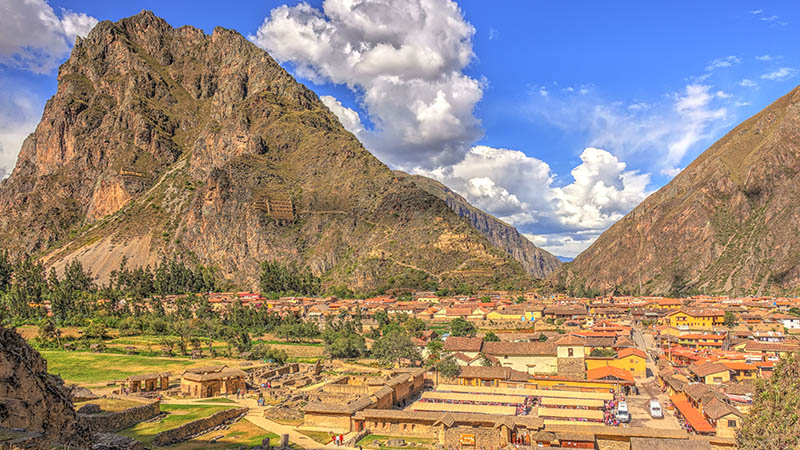 Ollantaytambo
Best Time to Visit Peru's Sacred Valley
- Best Month: May to September (Dry Season in Peru)
- Opening Time: From 8:00 AM to 5:00 PM Year-Round
What is the weather like in Sacred Valley? The Sacred Valley in Peru is located in the Andean Mountains, with a mild and pleasant climate throughout the year.
From May to September, the scarce precipitation and abundant sunshine make it the best time to visit the Sacred Valley. As an important corn cultivation center, crop harvests and related traditions (such as brewing chicha, a must-have for religious festivals) are mostly concentrated during this time. It is suitable for exploring outdoor Inca ruins and agricultural landscapes (such as terraced fields and cornfields), and convenient for participating in local cultural activities.
Recommended Tour Itinerary
Do You Need Tickets to Visit Sacred Valley
You need to purchase the "Cusco Tourist Ticket" to enter the partial archaeological sites: Pisac, Ollantaytambo, Chinchero, and Moray. An additional 10 soles (2.87 dollars) is required for the Salineras de Maras. Moreover, students can enjoy discounted prices, and remember to carry cash as a backup to buy tickets.
- Comprehensive Tourist Ticket: 130 soles / 34 dollars for 16 attractions within 10 days
- Partial Tourist Ticket: 70 soles / 19 dollars for 4 attractions within 2 days
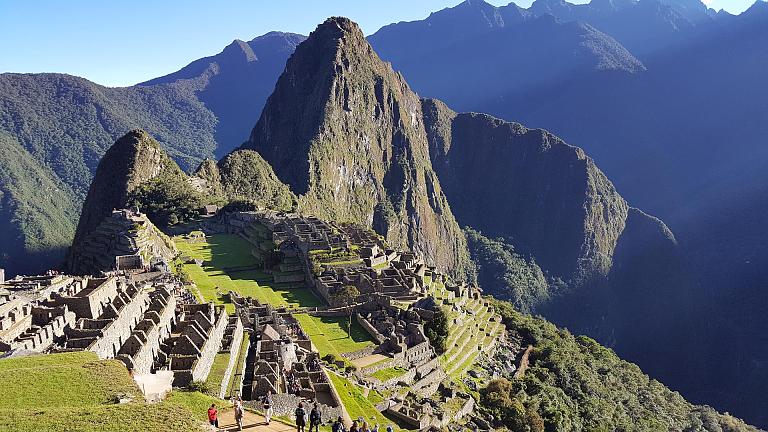
Note: Tickets for Sacred Valley can be arranged a few days in advance. If you plan to combine it with Machu Picchu, book in advance of several months and avoid the closure period of Machu Picchu in February each year.
Best Things to Do in Peru's Sacred Valley
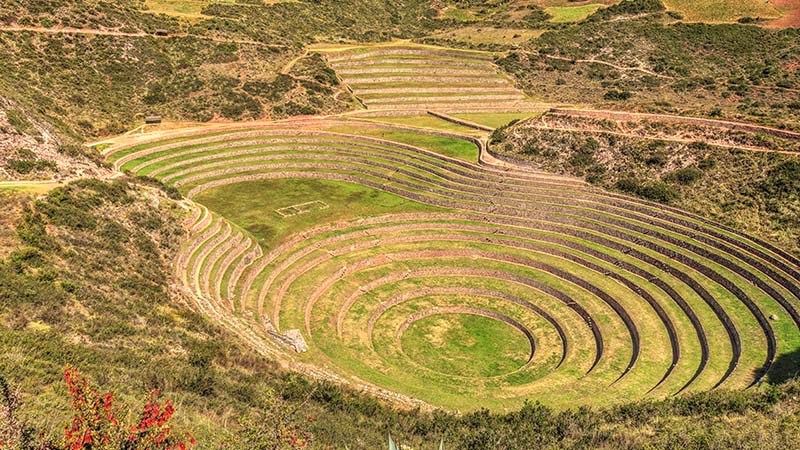 Moray Terraces Ruins
Attraction Exploration
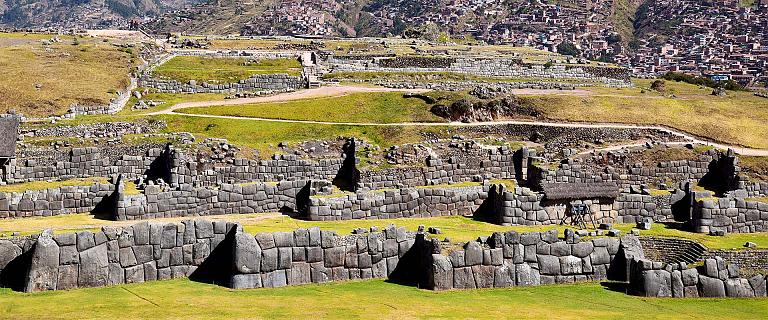
Explore Archaeological Sites: The Sacred Valley in Peru is dotted with important Inca ruins for exploration. Ollantaytambo is an important starting point to Machu Picchu, Pisac has magnificent terraces and astronomical observation points, and the circular Moray terrace ruins showcase the Incas' advanced agricultural experimental techniques. If you want to enjoy a slow-paced trip, consider hiking to these relics.
Visit Salineras de Maras: Opening year-round, Salineras de Maras (or the Maras Salt Mines) consists of thousands of salt pans in Cusco. The dry season allows you to observe the traditional salt harvesting process of local families, as water evaporates faster during this period. You can also see various colors in the ponds, including pink, white, and brown. In addition, the small market at the exit sells pink salt, with the 50-gram package being an excellent souvenir.
Adventurous Activities
Water Rafting Along the Urubamba River: The main departure points of Rafting along the Urubamba River are Ollantaytambo and Huaran, with the whole journey of 2 hours. The former offers a distant view of the Veronica Mountain and the Inca fortress, and the latter is accompanied by the Andean mountain scenery. During the dry season, the gentle water flow is suitable for sightseeing, while the high water level in the rainy season (December to May) is more satisfying for adventure enthusiasts.
Stand Up Paddle Boarding: For a peaceful experience, you can enjoy paddling boarding at Laguna Huaypo or Lake Piuray near Chinchero. When you watch the mountains reflected on the tranquil lake surface, the vast world is embraced in your arms, and you'll be touched. Moreover, the Laguna Huaypo is suitable for a lakeside picnic, allowing you to enjoy leisurely moments in nature.
Zip Lining Experience: The Via Ferrata project (zip lining) in Peru's Sacred Valley is suitable for participants aged 8 and above. Under the guidance of professional guides, it involves approximately 35 minutes of climbing and sliding on iron cables. From the air, you will overlook the magnificent scenery of snow-capped mountains, lush green views, and farmland intertwined.
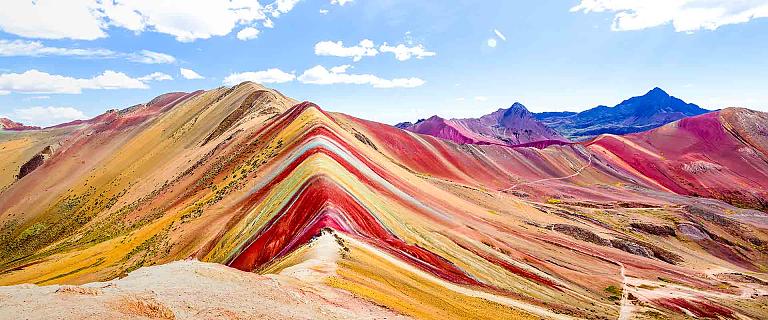
Hike Around the Sacred Valley: It is recommended to hike from Chinchero to Urquillos (about 3.5-4 hours), passing through Poc Poc Falls and traditional Andean haciendas, and finally reaching the banks of the Urubamba River. You can also challenge the more famous Rainbow Mountain to experience Peru's colorful geological wonders.
In-Depth Experience
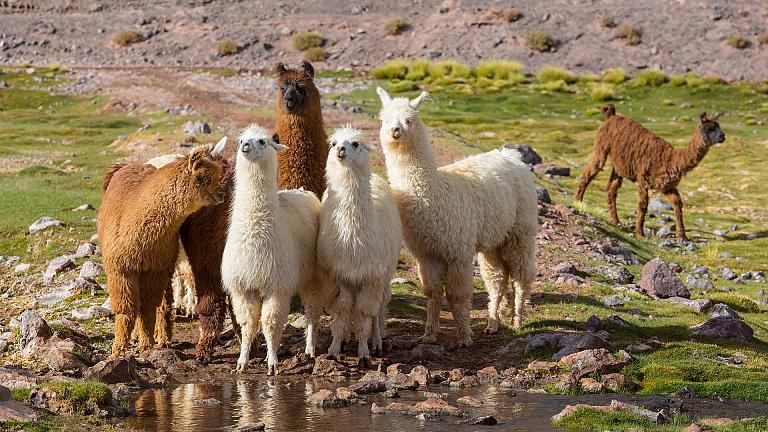
Visit Andean Artisans of Chinchero: The female weaver community in Chinchero is renowned for its dyeing and textile techniques. You'll never guess what dyeing materials they use: cochineal, annatto seeds, Ch'illca leaves, Q'olle flowers, tara pods, and more. Each color carries profound cultural symbolism, such as red representing vitality. You'll have the opportunity to witness firsthand how white, brown, and black alpaca wool is dyed into any color you can imagine.
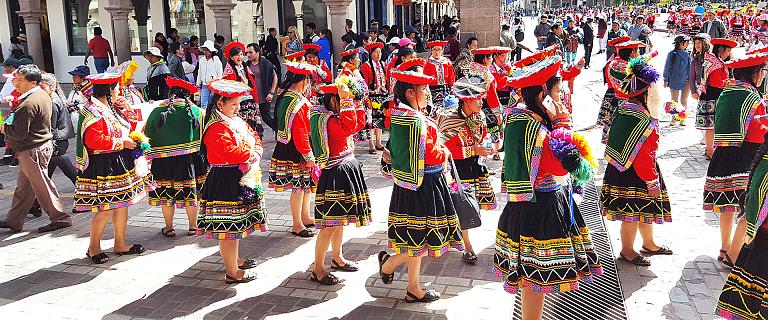
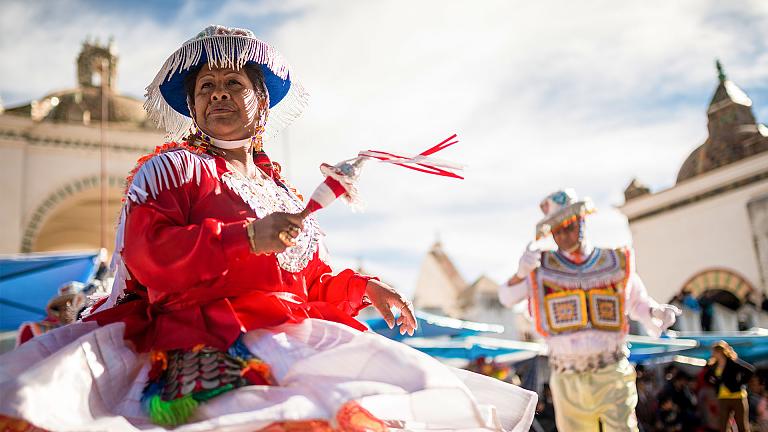
Go Shopping in the Local Markets: Every Tuesday, Thursday, and Sunday, the main square of Pisac transforms into a colorful traditional market. Neighboring villagers dress in vibrant clothing sell handicrafts here, ranging from textiles to pottery. Local artisans engage in sincere conversations with you, and you'll be delighted to select unique souvenirs.
Recommended Tour Itinerary
How to Get From Cusco to Sacred Valley
Many travelers plan day trips from Cusco to the Sacred Valley due to the short distance. Usually, you first arrive in Cusco, then choose between two main modes of transportation: by car or by train.
By Car: The road journey takes about 1.5 to 2 hours, passing through small towns such as Pisac and Urubamba along the way.
By Train: You can take a sightseeing train from Poroy Train Station in Cusco to Ollantaytambo, a major town in the Sacred Valley. This railway line continues to Aguas Calientes at the foot of Machu Picchu.
Recommended Tour Itinerary
Recommended Accommodation in Sacred Valley
Pisac: Vibrant Market & Andean Culture
Pisac is the top choice if you want to immerse yourself in the rich Andean cultural atmosphere. The traditional handicraft markets held here every week are colorful and vibrant, so you can deeply experience local folk customs and purchase unique handmade souvenirs.
Ollantaytambo: Convenient Location to Machu Picchu
Ollantaytambo is ideal for travelers planning to visit Machu Picchu. This town has a railway station with direct access to Aguas Calientes at the foot of Machu Picchu. Staying here offers convenient transportation for you to explore the ancient Inca fortress and cobblestone streets.
Urubamba: Central Location & Luxury Options
Urubamba is highly favored for its location at the center of the Sacred Valley, especially for seeking comfort and high-end experiences. You can choose between multiple luxury hotels and boutique resorts, with the surrounding valleys offering spectacular views.
Related FAQs for Sacred Valley in Peru
1. What to wear when visiting the Sacred Valley?
During the dry season, I suggest you wear short-sleeved, long-sleeved, and woolen coats to layer for warmth and adapt to weather changes, as its significant temperature in the Sacred Valley.
2. What is the altitude of the Sacred Valley?
The Sacred Valley in Peru has an altitude between 2,000 and 3,000 meters (6562-9843 feet), lower than Cusco (about 3,400 meters / 11155 feet). It is still advisible that you avoid strenuous exercise to prevent Peru's altitude sickness.
3. Is it better to stay in Cusco or Sacred Valley?
If you plan to stay several days, the Sacred Valley is more convenient to visit Machu Picchu and its surrounding ruins. Its lower altitude and more comfortable climate can help you accumulate the altitude sickness.
4. Should I go to Sacred Valley or Machu Picchu first?
It is recommended to visit the Sacred Valley first. Located on the way from Cusco to Machu Picchu, you can stay here for 2-3 days to acclimate to the altitude, explore the ruins, and then go to Machu Picchu, making your journey more reasonable.
5. How far is Sacred Valley from Machu Picchu?
The distance from Ollantaytambo to Machu Picchu is approximately 35-37 kilometers (114829-121391 feet), and it takes about 1.5-2 hours by tourist train.
6. How many days to spend in Sacred Valley, Peru?
It is recommended to stay here at least 2 days to visit major sites, such as Pisac and Ollantaytambo. If you have 3 days or more, discover off-the-beaten-path attractions for a more comprehensive experience, like Moray Terraces and Salineras de Maras.
7. How to explore the Sacred Valley in Peru?
For a comfortable and smooth experience, we recommend taking a private car and hiring a guide service. Looking forward to contacting us for flexible route customization, excellent service, and a hassle-free experience.
Recommended Peru Tours
-
 Peru Discovery With Amazon Rainforest10 DaysLima, Iquitos, Cusco, Sacred Valley, Machu PicchuExplore This Tour
 -
Great Wonders of Peru & Brazil12 DaysPeru: Lima, Cusco, Sacred Valley, Aguas Calientes; Brazil:Rio de Janeiro, Foz do IguacuExplore This Tour
-
History and Food Tour in Peru8 DaysLima, Arequipa, Cusco, Sacred Valley, Machu Picchu, PoroyExplore This Tour
-
Peru Andean Culture Tour With Inca Wonders9 DaysLima, Puno, Lake Titicaca, Cusco, Machu PicchuExplore This Tour