Guide to a Trip During Ramadan in Morocco 2026
Ramadan in Morocco is the holy month of fasting in the Islamic calendar, and its arrival changes its daily life. While business hours may be shorter and daytime activities quieter, traveling during Ramadan can still be a rewarding experience for visitors who understand what to expect.
This guide explains how Ramadan affects travel in Morocco, including dates, opening hours, cultural etiquette, and practical tips. It will help you decide whether visiting Morocco during Ramadan in 2026 or 2027 suits your travel style.
When Is Ramadan in Morocco 2026 & 2027
Ramadan is the ninth month of the Islamic calendar, and the exact dates depend on the sighting of the new moon. In Morocco, the official dates are announced by religious authorities and may vary by 1 or 2 day from astronomical predictions.
Ramadan in Morocco is expected to be from February 17 to March 19 in 2026, and it will be from February 7 to March 8 in 2027.
Can You Travel to Morocco During Ramadan
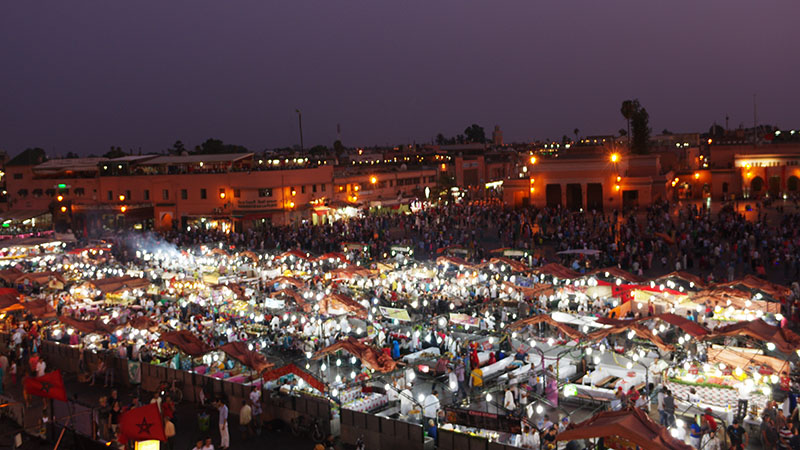 Jemaa el-Fna Square at Night, Marrakech
Yes, you can travel to Morocco during Ramadan. Daily routines in Morocco may change, such as local restaurants being closed during the day and shorter visiting hours at attractions. But you'll also have the chance to experience local culture in a special way, such as joining a warm iftar meal, exploring lively night markets, or savoring traditional food.
With good planning, these changes can minimize the impact on your trip. Contact us. We can arrange meals through hotels or open restaurants, adapt sightseeing times, and provide access to authentic experiences.
Related Articles
10 Most Recommended Things to Buy in MoroccoHow Does Ramadan Affect Travel in Morocco
Quiet Daytime & Lively Night
During Ramadan, daytime in Moroccan cities tends to be quieter, especially in the late morning and afternoon, as many locals conserve energy while fasting. Shops may open later than usual, and streets are generally less crowded.
After sunset, the atmosphere becomes more lively. The call to prayer marks the breaking of the fast, and cities come alive with night markets, cafes, and family gatherings. You may hear the sound of a cannon in the early morning to wake people up for the pre-dawn meal (Suhoor), or an announcement at sunset to signal that it's time to break the fast and enjoy Iftar. Then, your vibrant nightlife experience begins! There are all kinds of night markets, performances, snacks, and more. You can enjoy them until the early hours of the morning.
Recommended Tour Itinerary
Restaurants & Food Availability
Most shops and restaurants will adjust their hours, possibly opening after 10:00 a.m. and closing at 4:00 p.m. Local restaurants close during the day. In popular tourist cities like Marrakech, tourist hotels, riads, and international chains like McDonald's and KFC usually stay open. You can also find food in supermarkets and bakeries. But in Casablanca, food options may be more scattered and concentrated around hotels and commercial districts.
You don't need to fast as a visitor, but please avoid eating or drinking openly in public out of respect for those who are fasting. After all, if someone were to savor in front of you when you are hungry, you would also feel unpleasant, right?
Tourist Sites & Sightseeing
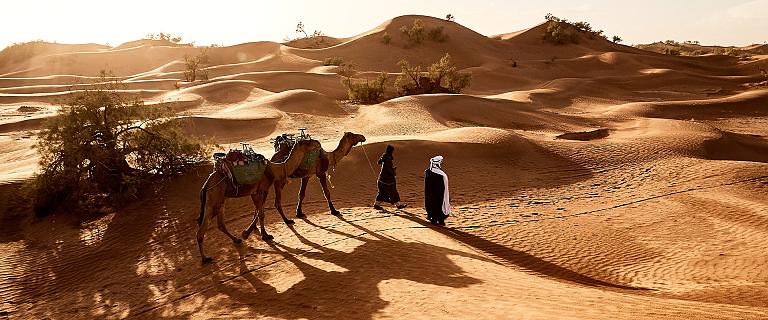
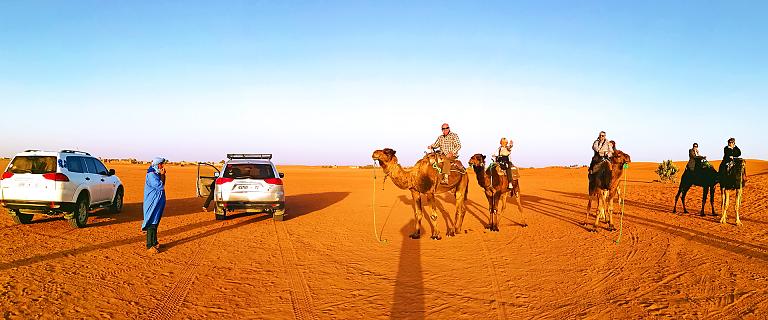
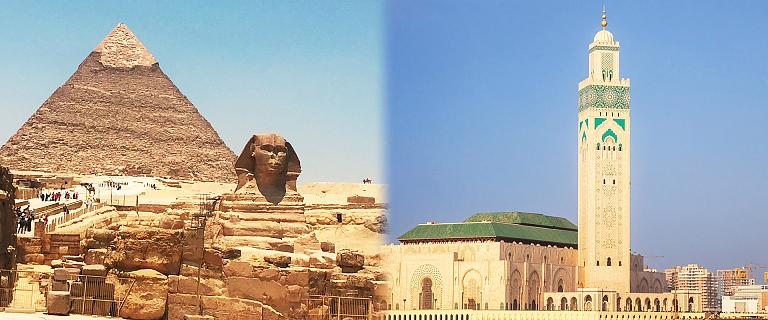
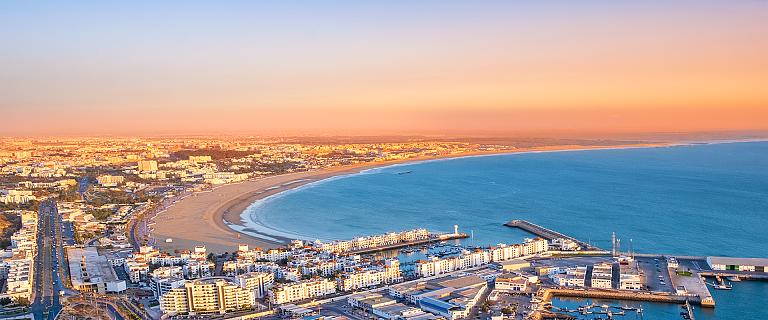
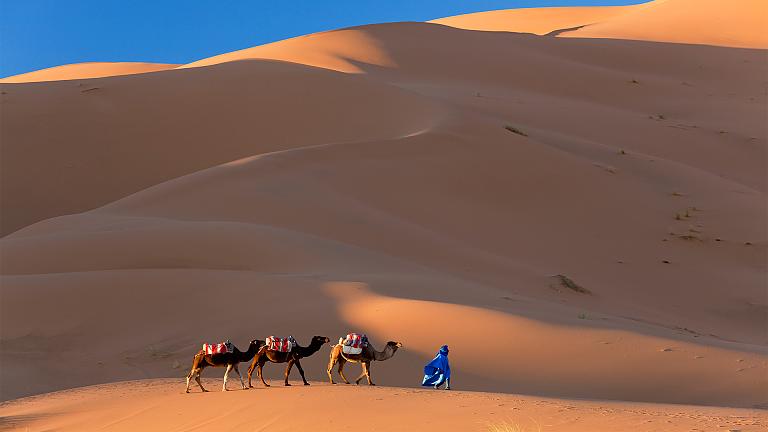
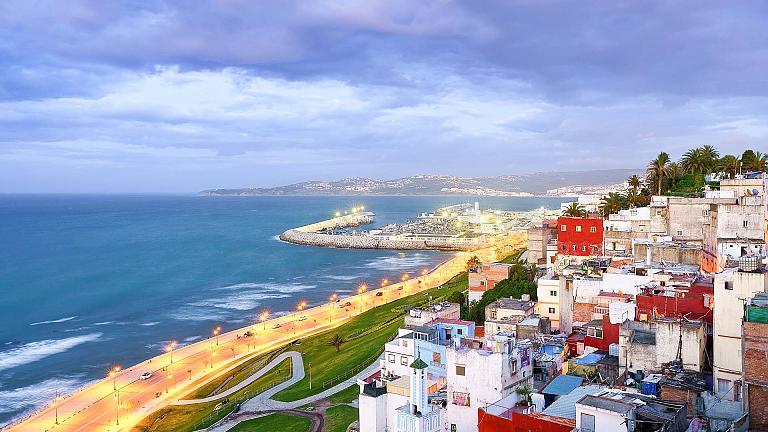
Most major tourist attractions remain open during Ramadan, although opening hours may be shorter. Some sites operate from around 9:00 a.m. to 3:00 p.m. The Hassan II Mosque in Casablanca, one of the few mosques in Morocco open to non-Muslim visitors, may have limited guided visit service due to increased worship activity. Traveling in the Sahara Desert and coastal areas (like Agadir and Essaouira) is less affected.
Prices & Crowd Levels
It is typically a quieter travel period of Ramadan in Morocco, with fewer international tourists. As a result, flights and accommodations may be more affordable. However, traffic congestion is common in the hour before sunset, as locals return home to break the fast.
So, planning activities earlier in the day and allowing flexible travel time can help avoid delays.
Recommended Tour Itinerary
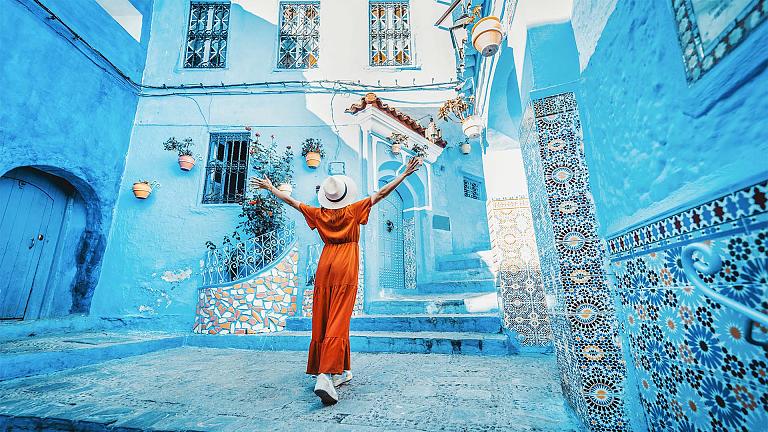
What to Experience During Ramadan in Morocco
Laylat-al-Qadr (Night of Power)
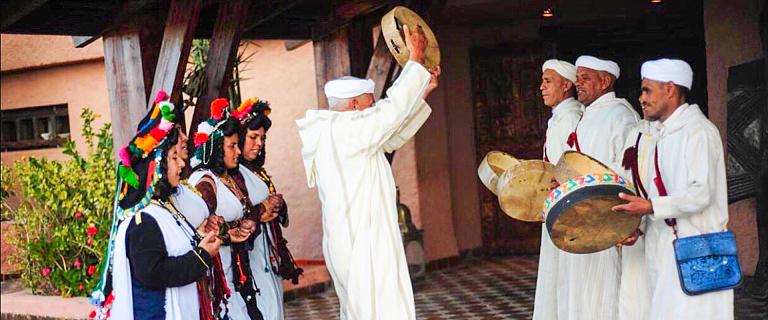
The Laylat-al-Qadr is commonly observed on the 27th night of Ramadan in Morocco. You'll see people dressed in traditional clothing. Many visitors also dress in jellabas, adding to the sense of ceremony.
In the street, it's touching to see children celebrating their first fast in small traditional outfits, their hands decorated with henna. Inside homes, families gather together, sharing laughter as they help the children peel eggs and exchange small gifts. These warm moments will leave you with a sweet and memorable impression of Moroccan tradition.
Experience Taraweeh
During Ramadan in Morocco, many mosques offer a special evening prayer called Taraweeh, held after the last daily prayer. It is deeply connected to the spirit of the holy month.
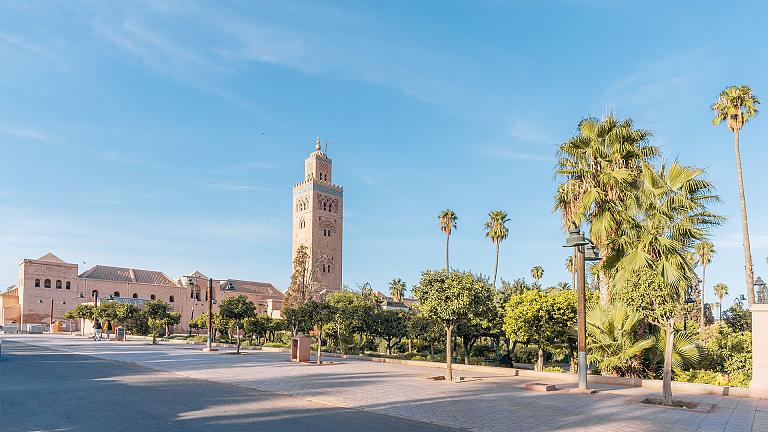
A memorable place to witness this tradition is the Hassan II Mosque in Casablanca, one of the largest mosques in Africa. As night falls, its towering minaret lights up. You can see worshippers gather in calm procession, filling the courtyard and vast prayer hall. In Marrakech, while Jemaa el-Fna Square remains lively in the evenings with food stalls and street performances, the nearby Koutoubia Mosque welcomes those attending Taraweeh.
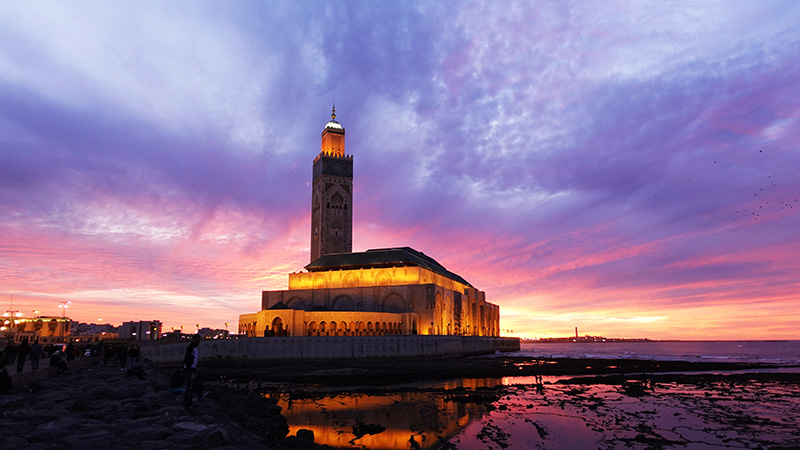 Hassan II Mosque at Sunset, Casablanca
Try Iftar
After sunset, the call to prayer or a ceremonial cannon signals the end of the fast and the beginning of iftar. Streets, restaurants, and markets all open up, offering a variety of delicious foods.
You might be warmly invited by a local family to join their iftar at home. During the meal, families often start by sharing dates and harira soup, a hearty tomato-based soup with lentils, chickpeas, and meat. You can also try fresh bread to dip into the soup, while conversation flows freely. Desserts such as Chebakia (a delicious honey sesame pastry) are commonly served, adding to the warmth of the shared meal.
Nightlife and Markets
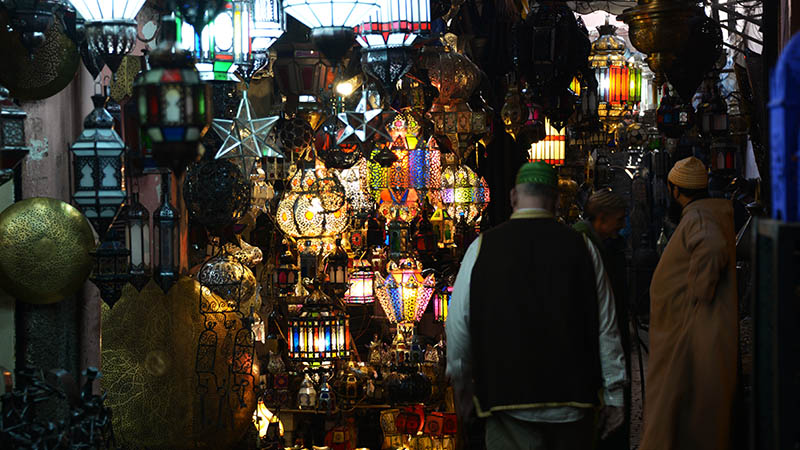 Moroccan Lamps in the Market
At night, Morocco is often brighter and more vibrant. Colorful lights adorn the markets, children run and play in the alleys with fireworks in hand, and there are also many street performances and even games, making it extremely lively.
Traditional items such as handmade fanoos lanterns are often decorated with mosaic patterns, suitable for meaningful souvenirs. You can find them at night markets, like Jemaa el-Fna Square in Marrakech. Some restaurants and shops extend their hours, often staying open from around 6:00 p.m. until 1:00 a.m., including large food supermarkets Carrefour and Acima. Come and enjoy it. You'll have an amazing nightlife!
Recommended Tour Itinerary
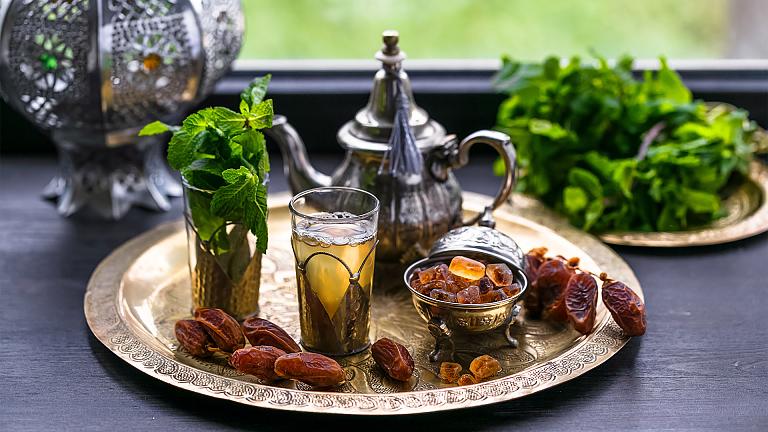
Cultural Etiquette & Practical Tips for Travelers
No Smoking in Public: Avoid smoking in public places such as on the street, in the market, or at the entrance of restaurants, as it may be considered disrespectful.
Alcohol Restriction: It's recommended to drink alcohol in a hotel or a private place rather than in a public area. In Morocco, the availability of alcohol is relatively limited on normal days, and it becomes even more difficult during Ramadan.
Dress Modestly: Please cover your shoulders and knees, especially in the old city (Medina), villages, and near mosques, to respect this religious festival.
Be Patient: Locals may feel more tired during the day due to fasting. If you encounter slower service in a restaurant or store, show more understanding and patience.
Recommended Tours
-
 Classic Morocco With Sahara Desert9 DaysCasablanca, Rabat, Fez, Merzouga, Skoura, Ouarzazate, MarrakechExplore This Tour
 -
-
Northern Morocco With Blue City & Tangier7 DaysTangier, Tetouan, Chefchaouen, Meknes, Fez, RabatExplore This Tour
-
Morocco Honeymoon Vacation14 DaysCasablanca, Fez, Erfoud, Merzouga, Dades Gorges, Ouarzazate, Marrakech, EssaouiraExplore This Tour
Related Posts You May Like