How to Plan a Japan Tour for Seniors 2026
It is easy to age while traveling, while Japan remains an easy and comfortable destination to explore for seniors, with safety, convenience, and cultural depth. With a sample itinerary for your reference, find out the best visiting time, ideal days to spend, and senior-friendly places to go, and plan your memorable senior tour in Japan with this guide.
Is Japan Good for Elderly Travel
Yes, Japan is widely considered the top senior-friendly travel destination in Asia. It might catch your eye for its cyberpunk, high-tech vibe, but there's no ignoring the fact that it still holds onto a very old-school, human side.
Digital and credit card payments are widely accepted, yet cash remains the preferred method for many locals. Everything runs smoothly, with people queuing patiently and respecting public order. Getting around is also easy and comfortable for older travelers in Japan; the public transport network is not only reliable and punctual but also highly accessible, with elevators and escalators at most stations.
What's more, an increasing number of accommodations and ryokan offer Western-style soft beds and private hot springs as alternatives to challenging tatami beds and shared bathing spaces. It is not always a task to plan a Japan tour for seniors.
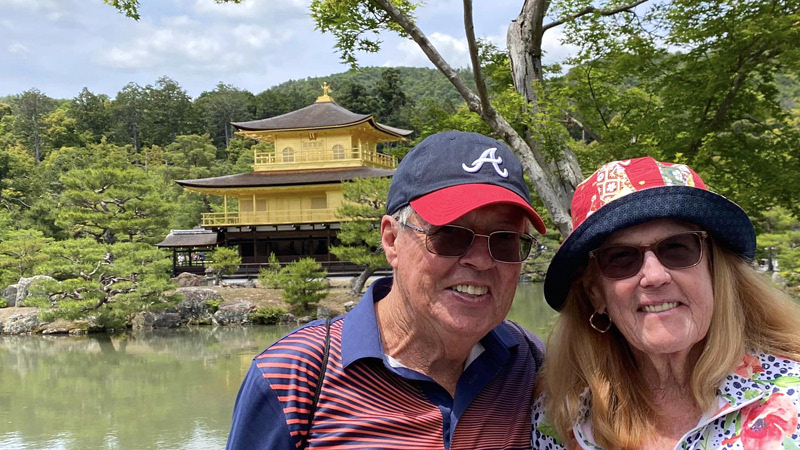 Japan Senior Tour in Kyoto
Best Time for a Senior Trip to Japan
Spring (March to May) and autumn (September to November) bring the best weather conditions for senior visitors. There is no need to dress in bulky layers, and you can enjoy outdoor activities without breaking a sweat, also rest with Japan's best seasonal colors.
The humid, sweaty summer and chilly, slippery winter are not the top recommendations for the first tour for seniors. However, if Japan's traditional festivals, fireworks, and powdery snow are the experience you prefer, consider planning a well-prepared Japan tour with Odynovo to make them happen.
When to Avoid Japan Tours for Seniors
- Golden Week, April 29 (Wednesday) to May 6 (Wednesday), 2026
- Obon Festival, August 13 (Thursday) to 16 (Sunday), 2026
- Silver Week, September 19 (Saturday) to 23 (Wednesday), 2026
What Month is the Best Time to Visit Japan
- March is the best time to see early cherry blossoms with milder crowds
- May & September offer the most comfortable weather, fully accessible attractions, and a relaxed outdoor pace
- October combines crisp weather and light crowds for the beginning of fall colors
How Many Days to Spend in Japan for Seniors
For senior visitors, it will be more comfortable to stay 10 to 14 days when traveling in Japan, focusing on a specific region such as the classic Golden Triangle of Tokyo, Kyoto, and Osaka. A short trip around 7 days can be a little hurried to cover all the major highlights. Consider an Osaka+Kyoto or Tokyo+Kyoto combo for a smoother way to go.
A great way to start is by setting aside your arrival day for rest and adjusting to the time difference. You can then explore each city at your own pace, allowing about three days (focus on one or two key sights per day) to fully enjoy one destination while also building in regular downtime to relax and recharge along the way.
Once you've thoroughly explored the highlights of a major city, consider using it as a home base for enriching day trips to nearby destinations. For example, venture out to Mt. Fuji from Tokyo, with a leisurely overnight stay at a hot spring resort in Hakone; visit the serene matcha town of Uji with a short train ride from Kyoto; or make a drop by Nara before heading to Osaka.
Recommended Tour Itinerary
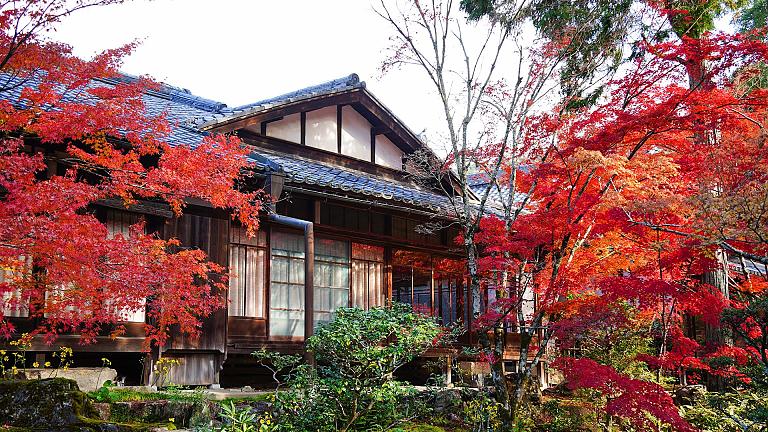
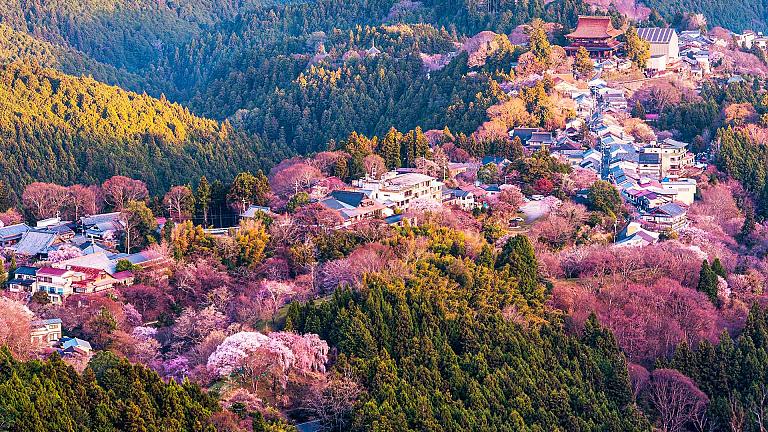
(Late March – Mid-April)
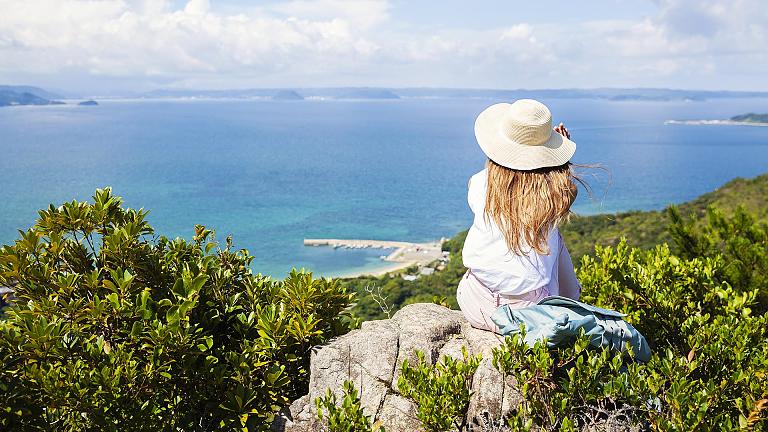
Top Places to Visit in Japan for Seniors
Kyoto: Heart of Traditional Japan
The extensive bus network and subway system connect all major sights of this retro cultural capital. While some temple complexes have steps, the city's grid layout in central areas (like Gion and Downtown) is very walkable.
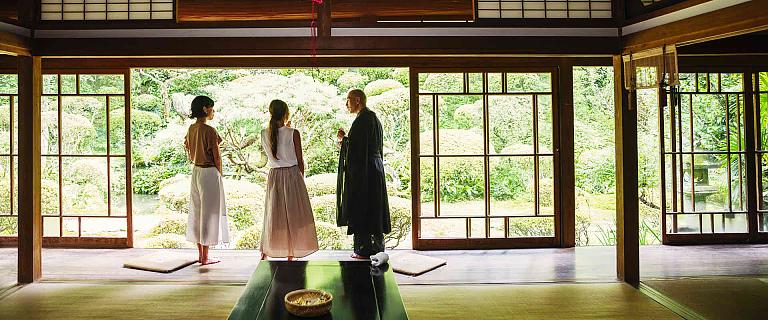
The pace in Kyoto is inherently more graceful and contemplative, perfect for those who appreciate history, serene gardens, and seasonal beauty (like cherry blossoms and autumn leaves). You can enjoy a slow-paced day visiting one iconic site like Nijo Castle, followed by a peaceful stroll through the nearby Ninshiki Market or a traditional tea ceremony at Gion.
Note:
Leave Fushimi Inari Taisha as a fallback choice if you're not keen on hiking. There is about a 1-hour hike through the thousands of torii gates to the main shrine of Fushimi Inari. And it takes another hour to reach the summit.
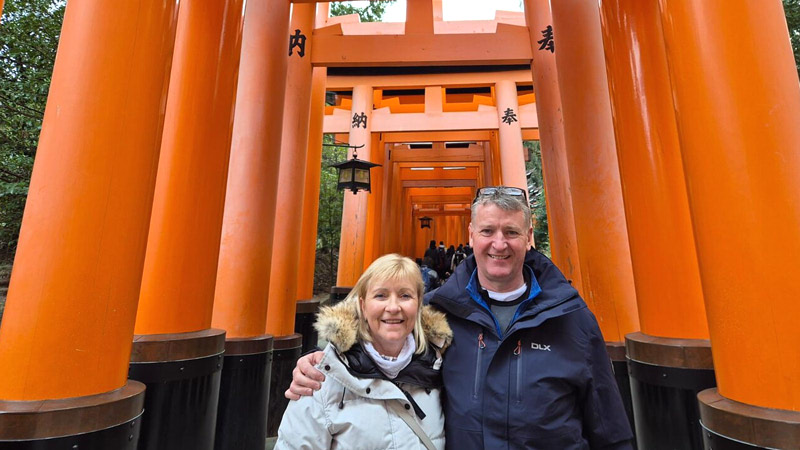 Torii Gates to Fushimi Inari Taisha, Kyoto
Hakone: Relaxing Hot Springs Retreat
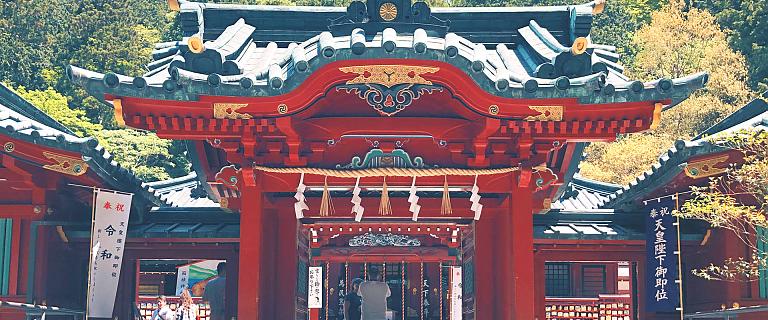
Hakone is designed for relaxation and scenic enjoyment. The famous Hakone Loop lets you see the sights with minimal exertion: a scenic train ride, a pirate ship cruise on Lake Ashi to see distant Mt. Fuji, and a cable car over volcanic valleys.
Many traditional ryokan (inns) offer kaiseki meals served in-room and private baths, eliminating the need to go out. It's the perfect place to rest and recharge mid-journey.
Nara: Natural & Historic Combine
The main attractions in Nara are concentrated in the expansive, flat Nara Park. You can easily walk between Todai-ji Temple (home to the Great Buddha), the serene Isuien Garden, and Kasuga Taisha Shrine, all while interacting with the park's friendly, free-roaming deer.
The atmosphere is wonderfully calm and green. The Nara-machi merchant district offers charming, quiet streets with old machiya houses, small museums, and cafes for rest, all without the steep hills found in some other historical areas.
Kanazawa: Little Kyoto With Fewer Crowds
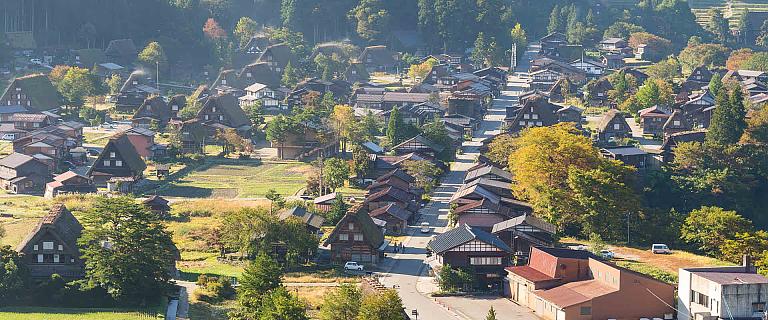
The compact, flat, and incredibly easy to navigate Kanazawa offers a depth of traditional culture similar to Kyoto. Streets feel less overwhelming in Kanazawa, also with well-preserved samurai and geisha districts for a peaceful exploration.
Most major attractions, such as Kenrokuen Garden, Kanazawa Castle, Omicho Market, and the Nagamachi Samurai District, are located close to one another and well connected by flat roads and local buses.
Benches, rest areas, and cafés are easy to find, allowing you to pause and enjoy the surroundings at your own pace. Hands-on experiences like gold leaf application are also available in Kanazawa.
Sample Japan Itinerary for Seniors
This is a golden route itinerary star from Osaka, including historic Hiroshima, as well as Kobe and Himeji, to enrich the Osaka surroundings.
- Duration: 12 to 14 days
- Travel Route: Osaka → Kobe → Himeji → Hiroshima → Kyoto → Tokyo → Mt. Fuji
Recommended Tour Itinerary
Day 1-3 Osaka: Gentle Introduction to Japan
Day 1 is dedicated entirely to rest and recovery after arrival. Explore Osaka's classics on the second day at a relaxed pace. Visit Osaka Castle in the morning, focusing on the park and exterior views rather than all interior floors, followed by the Osaka Museum of Housing and Living, which offers elevators and seating areas.
Day 3 is intentionally lighter. Enjoy a guided Dotonbori food walk, scheduled for late morning or early afternoon to avoid evening crowds, with plenty of seated tastings.
Day 4 Kobe & Himeji: One Highlight at a Time
Rather than rushing, this day focuses on Himeji Castle as the main highlight. If energy allows, continue to Kobe for a short harbor stroll or café stop. Otherwise, return to Osaka earlier for rest.
Day 5-6 Hiroshima: Reflection and Scenic Calm
Travel from Osaka to Hiroshima by bullet train with reserved seating on Day 5. You can center on the Peace Memorial Park on this day, with a flexible time to visit the museum at your own comfort level.
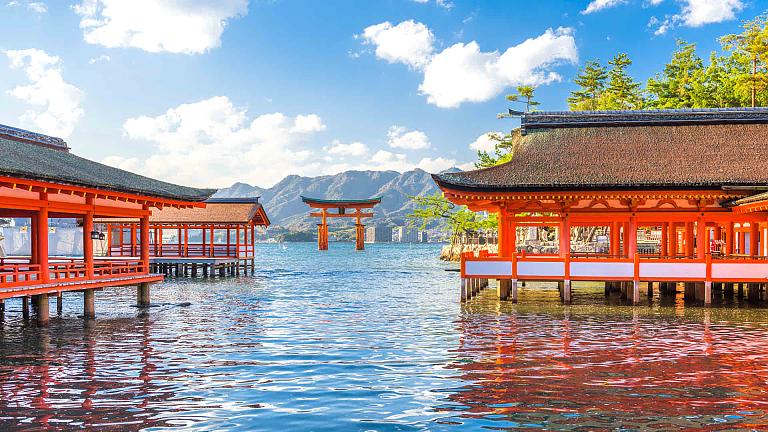
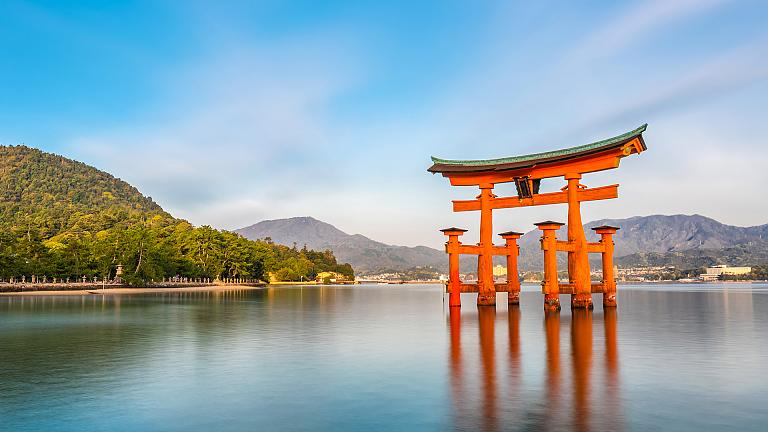
On Day 6, take a ferry to Miyajima. Capture the floating Itsukushima Shrine and take a gentle walk along the waterfront. Return to Hiroshima in the afternoon for a restful evening.
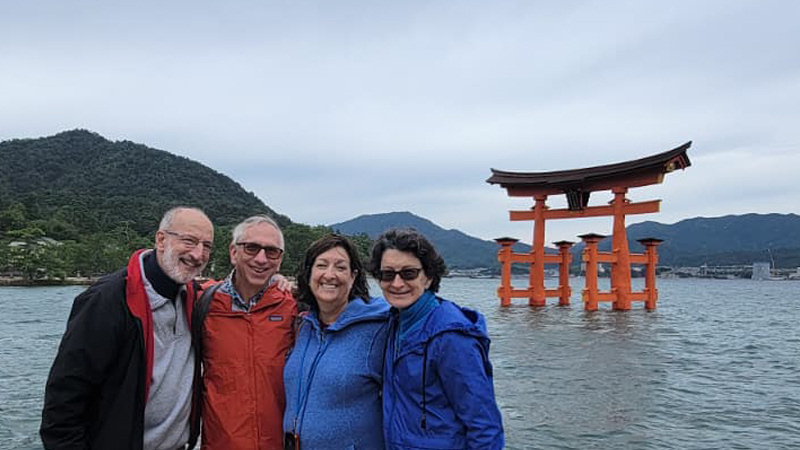 Japan Senior Tour in Hiroshima
Day 7-9 Kyoto: Balanced City & Nature
Stays within Kyoto's city center on Day 7. Visit Nijo Castle, followed by lunch near Nishiki Market, and a seated tea ceremony experience in Gion that is ideal for seniors.
Day 8 explores Arashiyama and its verdant bamboo forest. Choose either the scenic train or river cruise to minimize your walking, followed by the Kinkaku-ji sightseeing if you prefer to see more today.
Day 9 is a relaxed day trip to Uji, focusing on Byodo-in Temple and a café-style matcha tasting, offering a calm contrast to central Kyoto.
Day 10-12 Tokyo: Comfort-Focused Exploration
Make Tokyo your next base on Day 10, join the museum visit or izakaya hopping if energy allows.
Day 11 starts from the iconic Meiji Shrine, continue with a casual visit to Tsukiji Outer Market with flexible timing.
You will focus on Asakusa and its neighborhood exploration on Day 12. Take a prayer at Sensoji with a kimono, then head to the nearby Ueno Park or Tokyo National Museum in the afternoon.
Day 13-14 Mt. Fuji & Hakone: Scenic Finale
Followed by a Mount Fuji day trip with lake-level views at Lake Kawaguchi, including a short boat cruise or cable car ride to see the sacred mountain up closer.
Continue to Hakone for an overnight stay in a comfortable ryokan or hot spring hotel, allowing time to relax and reflect before the return journey to Tokyo.
Travel Tips for Seniors to Visit Japan
Fewer Cities, Deeper Experiences
Japan rewards those who slow down. Instead of hopping between cities every day, stay 2 to 3 nights per location, try to focus on 1 or 2 major sights per day to reduce packing, train transfers, and physical fatigue.
Travel Outside Rush Hours
Avoid commuting times (7:30 to 9:30 AM and 5 to 7 PM), especially in Tokyo and Osaka. Sightsee mid-morning to early afternoon, then return to the hotel before evening crowds.
Use Luggage Forwarding Services
Japan's luggage delivery services (takkyubin) allow you to travel lightly between cities. It allows you to send suitcases directly between hotels or to airports, and the service is easy to use: most hotel staff can help fill out forms, and a multi-city delivery usually takes just one day.
Consider Guided or Private Touring
Let your guide reduce stress from information, navigating stations, adjusting pace daily, and handling language barriers. Feel free to contact us to plan your carefree Japan senior tours with a private guide navigation.
Recommended Tours
-
 Japan Cherry Blossom Tour
(Late Mar ~ Mid-Apr 2027)14 DaysTokyo, Mt. Fuji, Takayama, Shirakawa-go, Kanazawa, Kyoto, OsakaExplore This Tour -
-
-
Related Posts You May Like