Japan Nakasendo Trail: Map & Hiking Itinerary
A hiking trip to Japan through the ancient Nakasendo feels like a step back to the quaint Edo period: cobblestone roads winding into the forest, where post towns sprang up and still maintain their untouched aesthetic. Follow the footsteps of pilgrims, samurai, and merchants as you start your Nakasendo Trail walk with this comprehensive guide.
What is Nakasendo
Nakasendo means "road through the central mountains"; it is an ancient highway about 560 km long, connecting Kyoto and Edo (ancient Tokyo) through the lush mountainous areas.
It runs from the Sanjo Ohashi Bridge (Kyoto) to the Nihonbashi Bridge (Tokyo), passing through approximately 70 post towns where traveling samurai and merchants could stay and rest.
However, most of the parts have been paved over or disappeared beneath modern towns and cities. Still, thanks to its remote mountainous landscapes, there are some well-preserved sections where you can take a glimpse of the age of samurai. And Kiso Valley is the most popular part.
Main Attractions You Can See Along the Nakasendo Trail
- Water wheels & traditional wooden post houses in Tsumago, Magome & Narai
- Twin waterfalls of Odaki & Medaki, and cypress forests
- Artisan workshops, ancient tea houses & museums
- Kaida Plateau & Kiso Horse Village
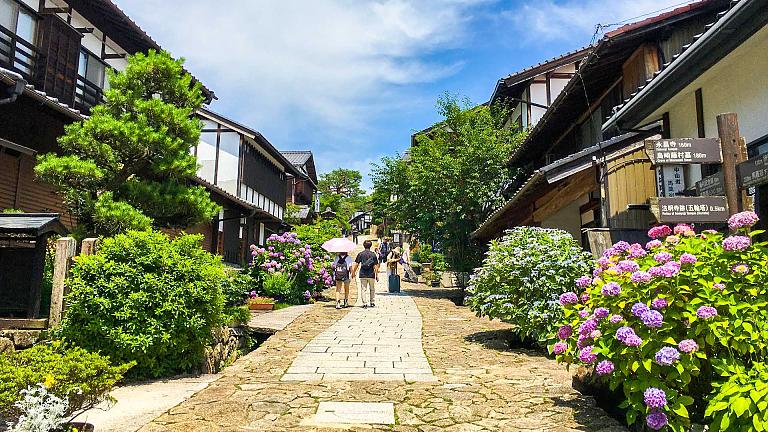
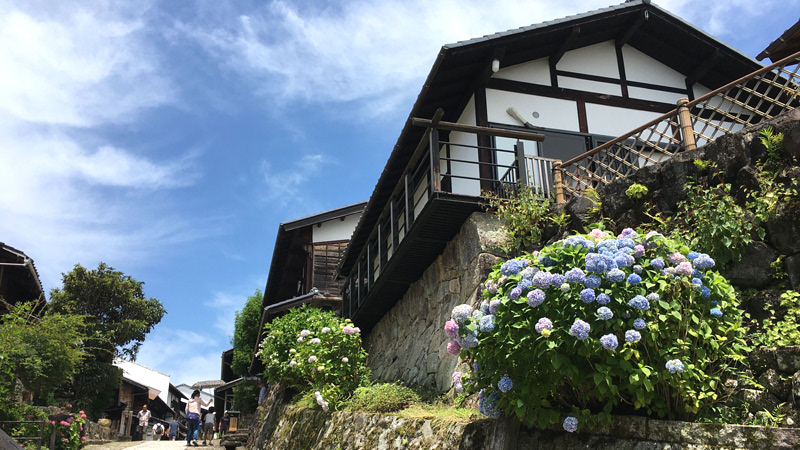 Wooden Houses and Hydrangeas Along Nakasendo
Best Time for Nakasendo Hiking
For the best hiking experience on the Nakasendo Trail, consider visiting Japan from April to May or July to November. The lush forest and high altitude of the mountains here make Nakasendo also comfortable for a summer hike between July and August.
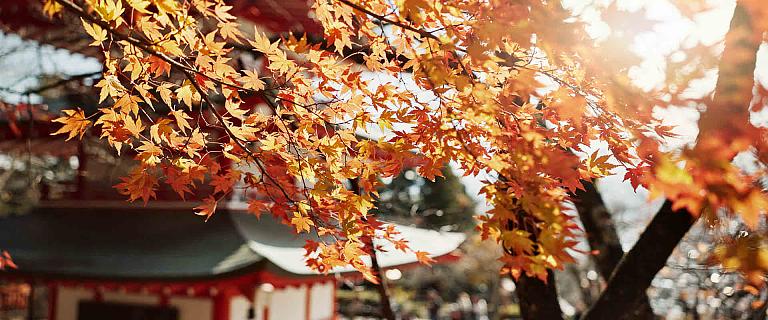
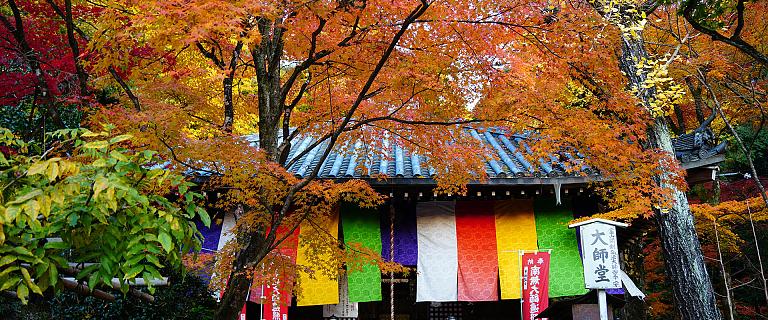
April and early May are the time to hike with cherry blossoms, and mid-October to early November is another popular Nakasendo hiking time of stunning fall colors.
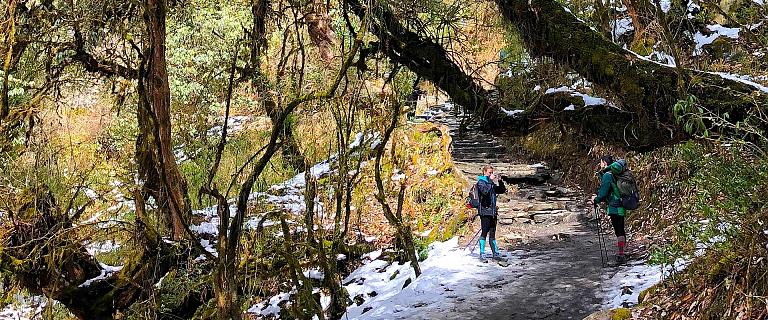
However, it is recommended to avoid June and early July, with more humidity and frequent rain during this wet season. Winter and early spring, from December to March, can be a little bit chilly for outdoor activities; also, mind the icy and slippery ground during your hike.
Nakasendo Trail Map
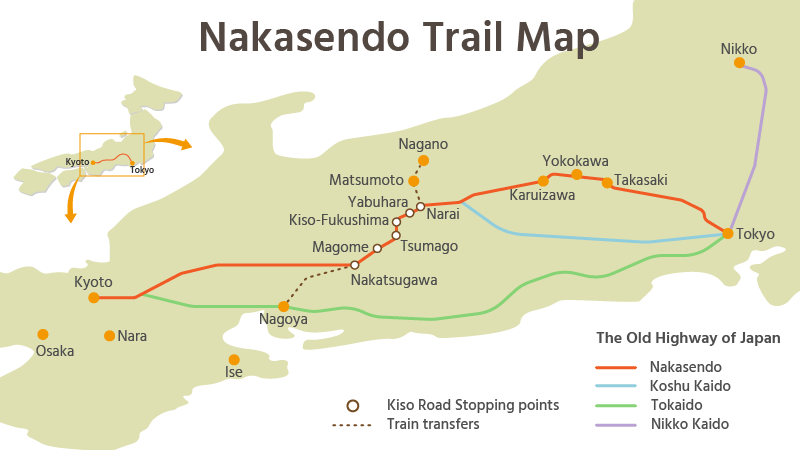 Map of Nakasendo Trail
Recommended Nakasendo Hiking Trails
From Magome to Tsumago
- Difficulty: easy (about 8 km and 2-3 hours to finish)
Magome to Tsumago is the most popular Nakasendo hiking section in the Kiso Valley. It is an easy and pretty forest trail with well-maintained wooden post town buildings, passing through the valley, Odaki & Medaki Waterfall, and tranquil countryside, where you can capture the highlights of the Nakasendo Trail at one time.
The trail from Magome to Tsumago is about 8 km long, with fewer climbs but more visitors, and usually takes 3 hours to finish the hike. If possible, a hike from Tsumago to Magome will be more comfortable during the peak season.
This most visited trail is also well-facilitated: there is no shortage of tea houses or cafes for your rest, as well as accommodations or shops for a quick visit, not to mention those clear English signs for your easy hike.
How to Get There
- To Magome: Make Nagoya your starting point, then take the Shinano Express to Nakatsugawa (about 50 minutes), where you can find the direct bus to Magome, a 20-minute ride to get there.
- To Tsumago: When hiking the Nakasendo Trail from Tsumago, make your Nagoya Shinano Express ride stop at Nagiso (about 1 to 2 hours), and the shuttle bus will take you to Tsumago post town after a half-hour drive.
Where to Stay
You can choose Tsumago or Magome, depending on your starting point. However, since it is a very popular hiking trail, always make your booking early (especially in Tsumago). Or consider staying in Nagiso if you are looking for a longer hike, which usually takes an extra 1 hour and offers more hotel room options.
Yet tired of the room checking and cumbersome booking process? Contact Odynovo and leave all the arrangements to your Japan expert.
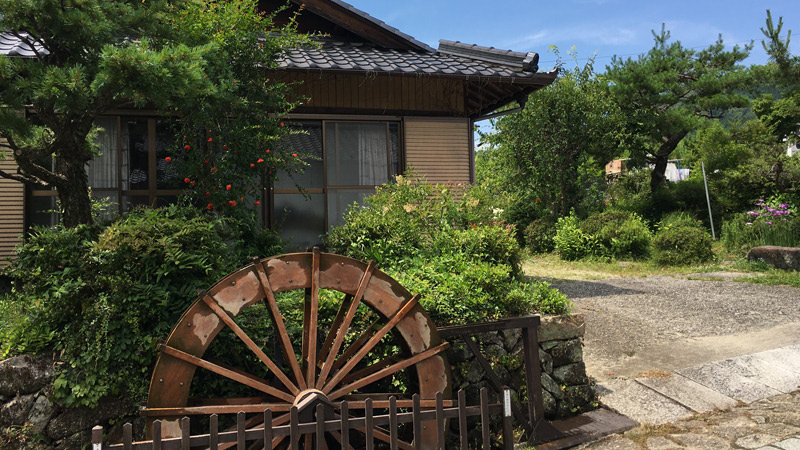 Water Wheel in Front of Magome Building
From Yabuhara to Narai
- Difficulty: moderate (about 6 km, with a higher altitude and 2-3 hours to finish)
The Yabuhara to Narai trail is a more tranquil mountain hiking trail, with a climb up to the Torii Pass at about 1200 meters high, the highest point of the Nakasendo Trail.
Follow its prime 6 km forest trail through the valley and countryside to discover Japanese rural life, find the remains of Yabuhara Shrine, and enjoy a panoramic view of the volcano Mt. Ontake, and finally reach Narai, known as the longest post town.
It is a good option during the peak hiking season if you are looking for something quiet and immersive; however, English signs there may not be that common to see, and a less frequent train and bus schedules.
How to Get There
- To Yabuhara: Yabuhara station is easily accessed from both Nagano (2h train ride) and Nagoya (2.5h train ride). Pick Nagoya when you land in Osaka, while Nagano is closer to Tokyo.
- To Narai: It is recommended to get to Narai from Nagano, with a closer distance of about 1.5h train ride. When starting from Osaka, still make Nagoya (a 2.5h to 3h train ride) your first station.
Where to Stay
The "a thousand houses" Narai can be the most popular choice, whose main street stretches about 1 km long. Yet still book your room early during those peak hiking seasons, or consider making Yabuhara your ending, which is less popular for your easy booking.
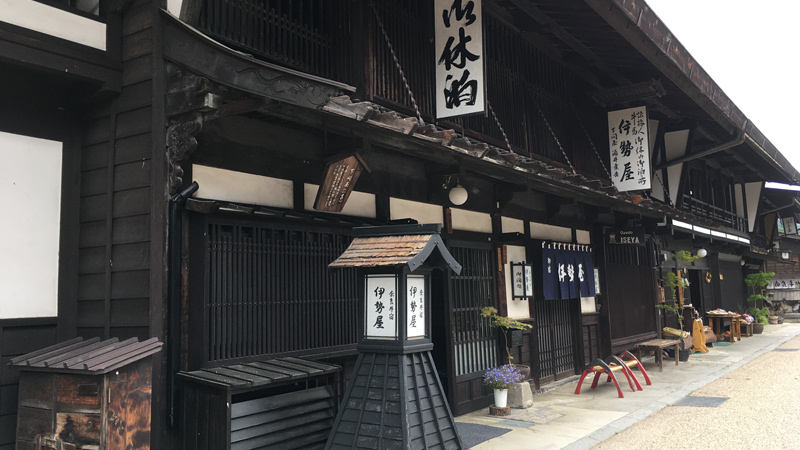 Narai Guesthouse
From Yokokawa to Karuizawa
- Difficulty: moderate (about 10 km and 3-4 hours to finish)
The most visited trail when starting from the Tokyo side, a truly scenic trail that gradually leads you into the verdant mountain after passing those relics such as the Usui Barrier and Haneishizaka stones, old train trails, teahouses, shrines, and the Usui Pass at the border between Gunma and Nagano Prefectures.
Those Instagram highlights, like Kumano Kotai Shrine (a branch shrine of Kumano Grand Shrines you can see during another hike through Kumano Kodo) and Megane Bridge, make this hiking trail always lively, especially in the autumn season with fall foliage as the excellent backdrop.
How to Get There
- To Yokokawa: take the Hokuriku Shinkansen at Tokyo Station, with a transfer to the Shin-Etsu Line at Takasaki, then you will arrive at Yokokawa after the whole 1.5h train ride.
- To Karuizawa: as a well-known holiday resort, Karuizawa and Tokyo are well-connected by the Hokuriku Shinkansen, which usually takes 1 hour to reach.
Where to Stay
It is a smart choice to make the European resort of Karuizawa your final stay after your full-day hike, with spas and hot springs to cure your body and soul, not to mention those shopping malls and cafes to spend your extra time.
Other Nakasendo Trails You May Also Try
From Nagiso to Nojiri
- Difficulty: moderate (about 8 km and 2-3 hours to finish)
The one you can consider taking an extra hike after visiting the popular Tsumago town. It is a cedar forest trail that captures the river scenery of the Kiso Valley, yet with only a few passengers to find and share the stunning bamboo forest walk with mini jizo statues and shrines.
From Nojiri to Kiso Fukushima
- Difficulty: easy (about 8 km and 2-3 hours to finish)
A quiet, meditative, empty trail without many iconic attractions to see, but with a more daily atmosphere of farmland, wooden farmhouses, bridges, and running rivers, which can be the true roadside scenery during the ancient Edo period.
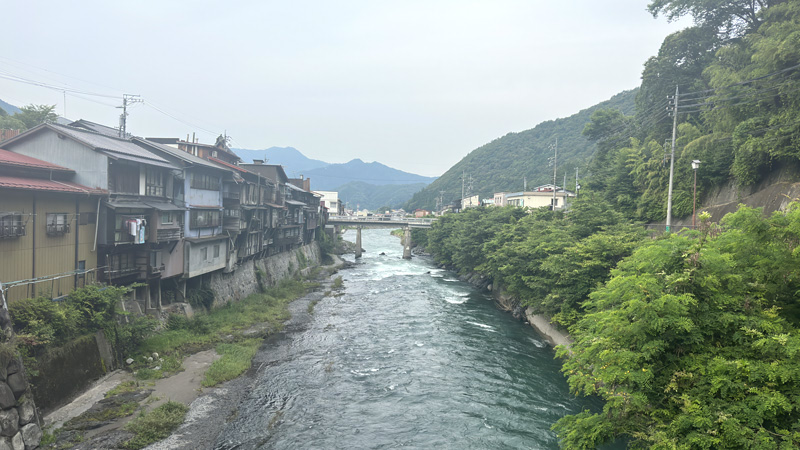 River Running Through Kiso Fukushima
Where to Stay When Hiking the Nakasendo
- Magome: a welcoming starting point, with more ryokan guesthouses and hotel options (yet still limited). Here you can find a full range of visitor-friendly facilities among those traditional wooden houses and iconic water wheels, ideal for your relaxing rest and cozy night stroll with cafes and shops.
- Tsumago: the most well-preserved and popular post town to stay in. Tsumago still maintains its traditional aesthetic. There are fewer hotels and restaurants for your option, instead of the local ryokan with dinner and breakfast. Nights can be extremely quiet here, without those neon or shining signboards for true Edo immersion.
- Narai: the longer post town streets of Narai offer more kinds of accommodations, from wooden ryokan and guesthouses to renovated modern hotel rooms with private hot springs. You can also find and experience more handicraft and lacquerware workshops along its thousand-meter buildings, no wonder one of the best places for your extra linger.
- Kiso Fukushima: the ancient checkpoint with museum and temples to fulfill your daytime, where you can now benefit from its convenient transport and the well-balanced between modern facilities and traditional wooden buildings, more ideal for visitors seeking thick beds, larger rooms, and a quick visit.
Note: Some traditional ryokan and guesthouses there maintain their old-fashioned telephone and fax booking. For your carefree trip to hike the Nakasendo Trail, feel free to contact us for all your planning issues.
Other Places to Visit Around the Nakasendo Trail
- Snow Monkey Park: an ideal drop-by attraction when you start from the Tokyo side, where hundreds of Japanese macaques live inside the mountain park in Nagano, and your early April visit is still the time to capture their iconic hot spring bath.
- Shiraito Waterfall: inside the northern forest of Karuizawa, Shiraito Waterfall, the waterfall of white threads, can be your year-round destination, with its stable and steady flow from a volcanic layer to be your perfect backdrop, whether in the vivid spring and summer or the golden autumn.
- Naegi Castle Ruins: known as the Machu Picchu of the East, this mountaintop castle ruin is located in Nakatsugawa, where you can take a visit to this real-life "Laputa sky castle" before the popular hike through Magome and Tsumago.
- Lake Suwa: a tranquil lake best for your summer visit after your Tokyo side Nakasendo hiking. It is not only the setting of the anime film Your Name, but also the venue of the grand fireworks festival in mid-August, which can be a true reward for your Japan summer trip.
Recommended Tour Itinerary

Sample Japan Hiking Itinerary With Nakasendo
A week-long journey starting from Osaka for a quick Japan hiking trip:
- Day 1-2 Osaka food tour and enjoy the cozy night
- Day 3-4 Kyoto sightseeing with most of Japan's highlights
- Day 5 Nakasendo Trail hiking (Magome to Tsumago)
- Day 6 Nakasendo Trail hiking (Yabuhara to Narai)
- Day 7-8 Tokyo city tour with Mt. Fuji
A more pleasant sightseeing & hiking trip around central Japan from Tokyo:
- Day 1-3 Tokyo landing & city tour with essentials
- Day 4 Mt. Fuji day trip with Hakone hot springs
- Day 5 Nagoya sightseeing
- Day 6 Nakasendo Trail hiking (Magome to Tsumago)
- Day 7 Nakasendo Trail hiking (Yabuhara to Narai)
- Day 8-10 Kyoto culture experiences
- Day 11 Nara, Kobe, or Himeji day trip before heading to Osaka
- Day 12 Osaka free day
Recommended Tour Itinerary
Nakasendo Hiking Tips
- Bring a small bag for food, water, cash, and other tiny essentials, and leave your large baggage and suitcase for the local Takkyubin (baggage delivery) during your hiking days can make your journey simple.
- Follow the sign and main road during your Nakasendo hike. If possible, bring a bear ring with you.
- Prepare some small cash and coins instead of big notes and cards for your roadside drinks and snacks.
- Take advantage of those train and bus lines that run parallel to the Nakasendo trail when you are tired of the hike.
- Make Osaka your landing airport if the full hiking trip is your main target. While looking for more Japanese sightseeing, Tokyo can also be your ideal base.
Recommended Tours
-
 Central Japan With Japanese Alps Hiking (Mid-April to Mid-November)11 DaysTokyo, Tateyama Kurobe, Kamikochi, Narai-juku, NaganoExplore This Tour
 -
-
Best of Tokyo & Snow Monkey in Nagano5 DaysTokyo, Nagano, Matsumoto, Narai, jukuExplore This Tour
-
Hokkaido Autumn Foliage Nature Tour8 DaysSapporo, Furano, Daisetsuzan, Lake AkanExplore This Tour
Related Posts You May Like
-
Japan Tokyo Marathon 2027: Runners & Sightseeing Guide
-
Mt. Fuji Climbing Guide: 2026 Hiking Season & Trails
-
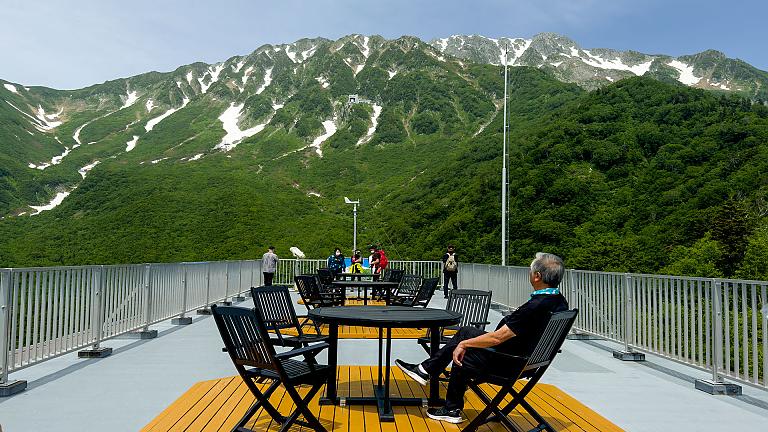
Tateyama Kurobe Alpine (Alps) Route Guide: Roof of Japan
-
Japan's Hiking Guide for Frist Time Visitors
-
Best Places to See Autumn Leaves in Japan 2026
-
Japan Fall Foliage: 2026 Autumn Leaves Forecast Map