South Korea in September 2026: Meet Early Autumn Weather
September is the transition month when late summer meets the early autumn, also the first truly comfortable month after Korea's hot and humid season. If you are planning a smart trip to Korea in September, learn about the weather, crowds, prices, and what to pack from this guide, plus why it's one of the best months to visit South Korea.
South Korea Weather in September
The weather in South Korea in September is comfortable. Apart from the lingering summer heat in the first week or two, most of this beginning autumn month brings pleasant daytime temperatures (19 to 25℃, 66 to 77℉) and noticeably lower humidity.
Rainfall in September typically decreases compared to peak summer. Instead, with bright and clear skies ideal for outdoor sightseeing, hiking, and even enjoying the beach while the sea remains relatively warm.
However, daylight hours gradually shorten, and evenings can feel cooler in September, especially near the coast or in mountain areas. A T-shirt is fine during your daytime sightseeing, while a light jacket is usually sufficient for nighttime outings.
| Temperature in September | Rainy Days | Humidity | |
| Seoul | 19 to 24℃ (66 to 75℉) | about 7 days | 73% |
| Busan | 22 to 26℃ (73 to 79℉) | about 11 days | 43% |
| Jeju Island | 20 to 26℃ (68 to 79℉) | about 9 days | 56% |
- Seoul's weather in September has higher humidity above 60%, better for a second-half visit when drier, cooler conditions later on.
- The weather in Busan remains warm in early September, ideal for coastal strolls and beach scenery without peak summer crowds.
- Jeju Island in September stays mild and breezy through September, with warm ocean temperatures and clearer autumn skies that balance outdoors and seaside relaxation.
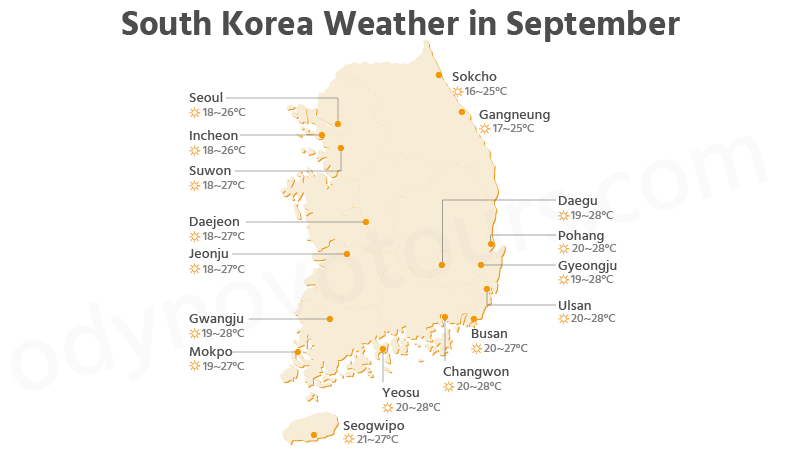 South Korea Weather in September
Is September the Typhoon Season in Korea
Yes, September still falls within the Typhoon Season in Korea (usually runs from July to September), but it is the tail end of the season.
Typhoon activity in September is typically less frequent than in peak summer months. When impacts do occur, they are more likely in the early part of the month and often affect southern and coastal regions first. It won't cancel your travel plans outright.
Does It Rain a Lot in South Korea in September
September is noticeably drier than July and August, when monsoon rains are at their strongest. While occasional showers or leftover typhoons can occur (especially in early September), rainfall generally becomes lower and less prolonged as the month progresses.
You can expect clear, bright days in the second half of the month. In short, rain is possible, but it's usually not persistent enough to disrupt most travel itineraries.
What to Wear in South Korea in September
You can still wear light summer clothes during your daytime visit in September. T-shirts, short-sleeved pants, and skirts are still the easy and comfortable choices, paired with sunglasses and a folding umbrella at hand.
After sunset, putting on a long coat or light jacket to cover your skin will be more helpful. Also, make long trousers and an easy-to-carry coat your top options during the second-half visit to South Korea.
Is It a Good Time to Visit Korea in September
Yes. September is one of South Korea's most balanced travel months for your smart visit. It is considered one of the most comfortable months to visit South Korea, when the pleasant weather, shoulder season prices, harvest fun, and fewer crowds are ideal to travel around the country.
Aside from some early-month summer warmth, temperatures gradually cool, humidity drops, and skies tend to be clearer in September. Most importantly, just before the peak fall foliage season in Korea, you can still enjoy the shoulder season budget and crowd-free journey.
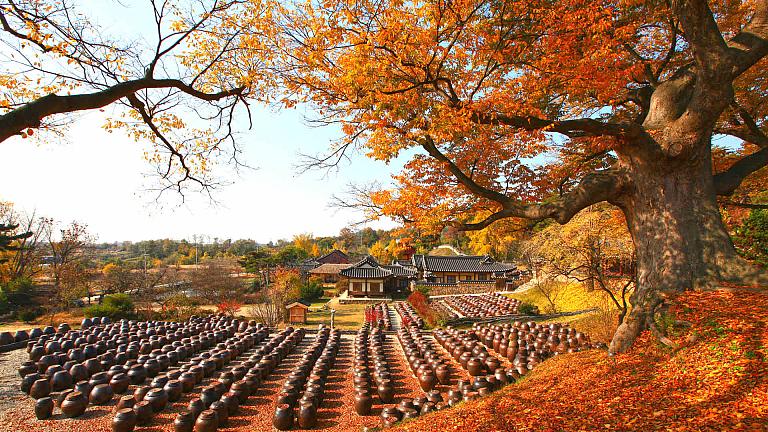
Outdoor sightseeing, hiking, and city exploration become far more pleasant compared to mid-summer, and the higher air clarity of autumn also makes for better photographic conditions. Meanwhile, September is also considered the harvest month in South Korea to fill your stomach.
Is There Fall Foliage to See in Korea in September
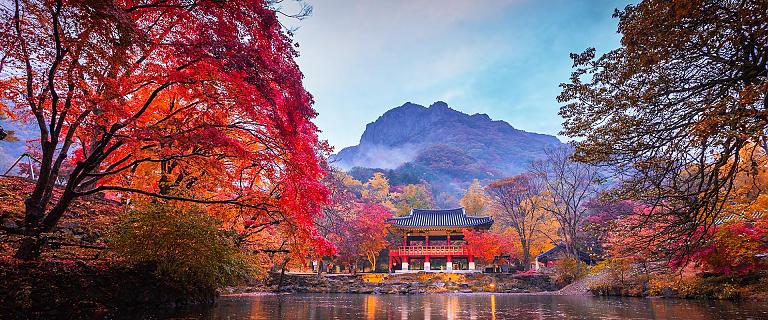
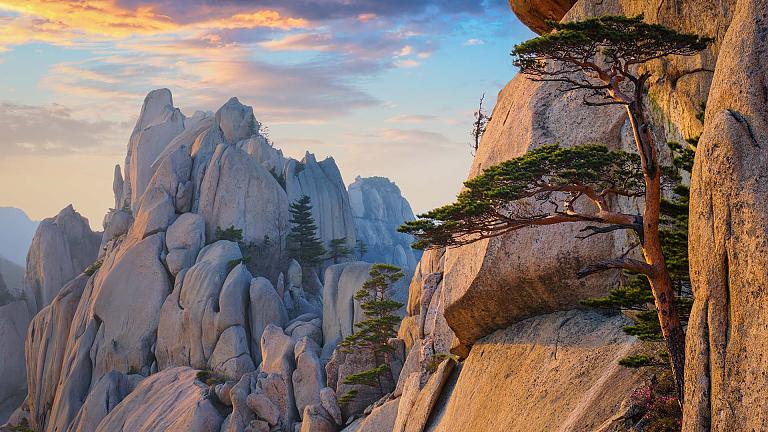
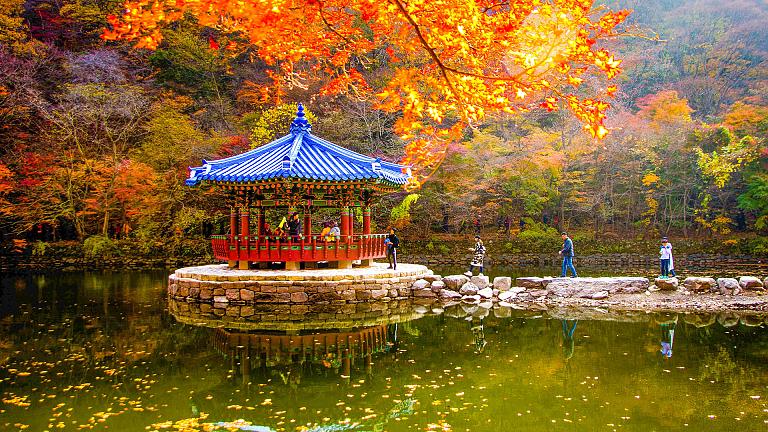
Yes, but September's fall foliage is still in its very early stage. You can see the first signs of autumn leaves in late September in Korea: heading to northern mountain areas such as Seoraksan National Park, the earliest places where hints of autumn color appear.
However, it should be noted that the early autumn colors in September tend to be lighter, less widespread, and not as dramatic as the peak displays seen in October and November. Take it as an added seasonal bonus during a northern mountain hike, rather than planning your entire trip around vibrant fall leaves.
What to Do in Korea in September
Enjoy the Early Hiking Season
September is one of the most comfortable months for hiking in Korea. With humidity dropping, daytime temperatures milder, and lighter crowds before peak foliage season, outdoor activity in September is far more manageable than in peak summer.
Seoraksan in the north begins showing the earliest hints of autumn color by late September. Clearer skies also improve panoramic views from Bukhansan, which is easy to get to from Seoul. While on Jeju Island, the cooler coastal Olle Trail is more recommended for the first half of the visit.
Recommended Tour Itinerary
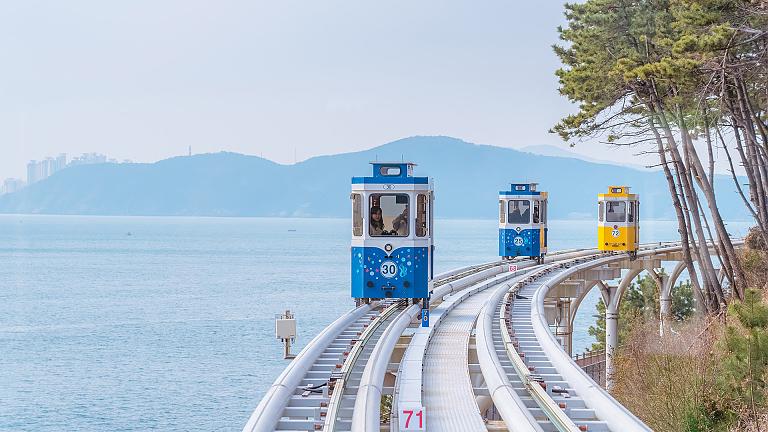
Unwind at the Relaxing Beaches
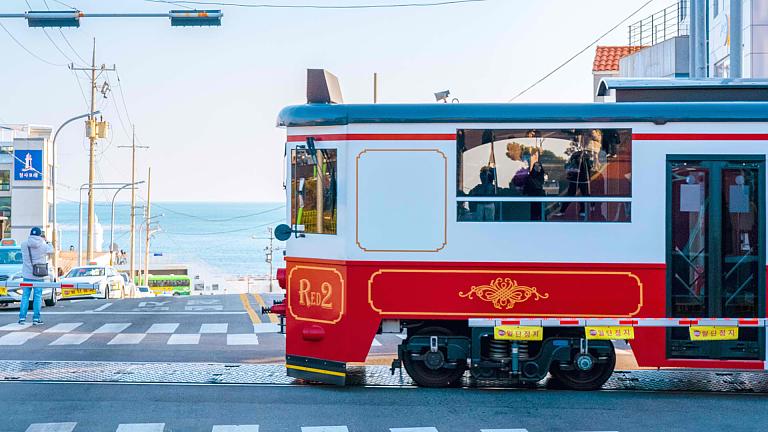
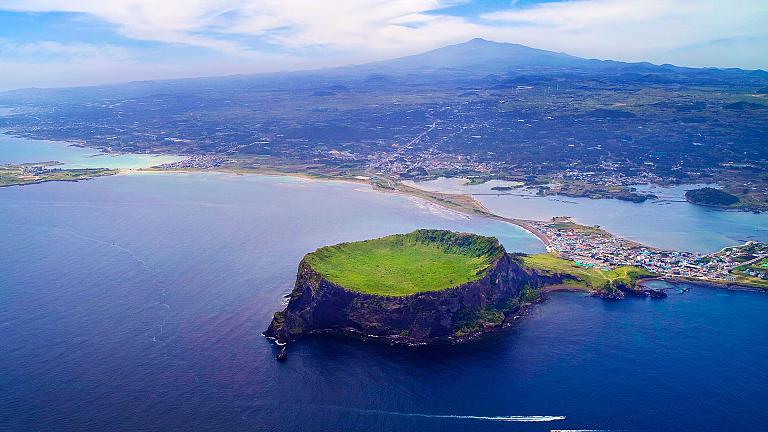
Korea's southern and coastal areas remain pleasantly warm in September. In Busan and Jeju, sea temperatures are still comfortable enough for light swimming in early to mid-month, while beaches feel calmer and less crowded after summer vacation crowds taper off in August.
Even if you're not swimming, September offers excellent conditions for coastal walks, sunset views, and seaside cafés without the intense heat and humidity of midsummer. It's a relaxed, scenic beach experience rather than a peak-season party atmosphere.
Recommended Tour Itinerary
Night Markets Visit With Seasonal Food
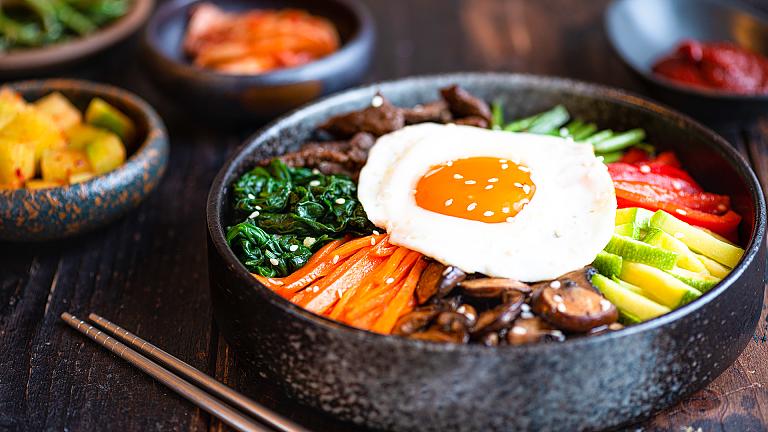
The harvest season begins in September in Korea, featuring Korea's night markets' seasonal menu with fresh rice, pine mushrooms, Pacific saury, and king prawn.
You can sample hotteok, grilled seafood, skewers, and regional dishes in lively open-air settings without the discomfort of sticky summer nights. The slightly crisp air enhances the sensory experience: bright lights, sizzling food stalls, and a festive yet more breathable atmosphere.
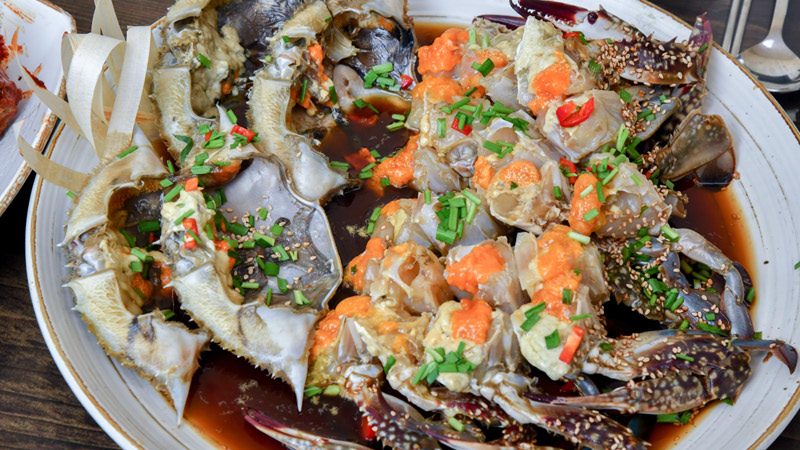 Soy Marinated Raw Crabs
Immerse in Korean Culture
September's sunny days and moderate temperatures create excellent conditions for exploring Korea's cultural landmarks, making a well balance between historical exploration and lively, community-driven celebrations.
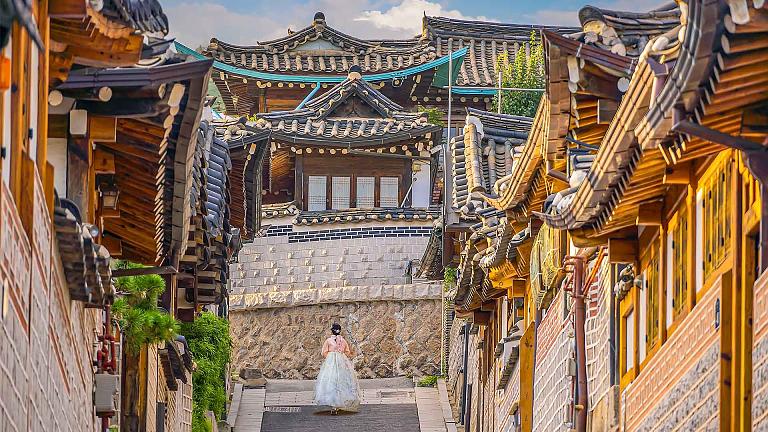
Imagine walking through palace grounds in Seoul, wandering around hanok villages with traditional hanbok, catching the dramatic contrast between Gyeongju's ancient sites and the crispy skies, and joining those cultural events from royal reenactments to folk performances.
Korean Travel Cost & Crowd in September
September sits in the shoulder tourist season in Korea: after peak summer vacation crowds and before the full autumn foliage rush in October.
You can often find more reasonable hotel rates and better flight availability in September, especially in the second half of the month. Beach destinations like Busan or Jeju begin to quiet down after August, while Seoul feels less hectic compared to midsummer. Popular mountain areas in September are not yet at their busiest. Just take advantage of the empty attractions and affordable prices for your ideal trip to Korea.
However, avoid Chuseok (usually late September or early October, the national holiday when domestic travel demand can temporarily increase) if you are looking for more comfortable prices or the tranquil autumn atmosphere. Or, contact us to arrange your ideal trip to South Korea, flexible and carefree.
Festivals in South Korea in September
- Chuseok: While some businesses close, Chuseok is one of Korea's most important harvest holidays, featuring traditional foods like songpyeon rice cakes, ancestral rituals, and folk games to enjoy the special Korean cultural traditions.
- Andong Mask Dance Festival: offering hands-on cultural experiences rather than just staged performances, where you can watch lively talchum dances, try on masks, join workshops, and see international folk shows.
- Suwon Hwaseong Cultural Festival: this festival recreates royal processions and military ceremonies from the Joseon era through interactive reenactments, parades, and traditional performances in an open-air heritage setting.
Recommended Tours
-
 South Korea Cultural Trip & Natural Wonders14 DaysSeoul (Seoraksan National Park), Gyeongju, Busan, Jeju IslandExplore This Tour
 -
-
-
Autumn Colors Tour in South Korea 202610 DaysSeoul, Nami Island, Sokcho, Naejangsan, Jeonju, BusanExplore This Tour
Related Posts You May Like
-
Autumn in Korea: Experience the Best Fall Views
-
South Korea Fall Foliage Guide 2026: Forecast & Best Places
-
Winter in Korea 2026: Snow Sports, Festivals & Events
-
10 Reasons Why Visit South Korea 2026
-
Japan or South Korea: Which Destination Is Better to Visit
-
Family Trip to South Korea: Planning Tips & Ideas