Korea in November 2026: Festival, Best Places & Travel Tips
November in South Korea is late autumn, with fall foliage still visible in some southern regions while temperatures continue to fall. It is a good time to enjoy the last of the autumn scenery before winter sets in, although the weather can feel quite different from north to south. Read on to learn more about South Korea's November weather, fall foliage, and what to expect when planning your Korea trip.
South Korea Weather in November
The weather in South Korea gets noticeably cooler throughout November, with temperatures varying considerably between northern and southern regions.
Days can remain relatively mild and comfortable in the first few weeks, with cool, often clear weather still suitable for fall foliage sightseeing and light hiking. In the second half, however, temperatures drop noticeably, especially in the mornings and evenings, and stronger winds can make it feel colder outdoors. A warm coat is recommended for comfortable sightseeing.
Northern areas such as Seoul and Gangwon may see their first light snowfall toward the end of November, although it is usually not heavy enough to affect travel plans. In contrast, southern regions like Busan and Jeju Island remain milder, making them more comfortable options for late-autumn travel.
| Average High | Average Low | Rainy Days | |
| Seoul | 12°C (54°F) | 4°C (39°F) | about 7 days |
| Busan | 17°C (63°F) | 8°C (47°F) | about 5 days |
| Jeju Island | 16°C (61°F) | 10°C (50°F) | about 10 days |
- The weather in Seoul in November gets colder as the month progresses, with cool mornings and evenings and a greater chance of the first snowfall toward the end of the month.
- Busan in November remains relatively mild compared with Seoul, although coastal winds can make it feel cooler, especially in the evening.
- The weather in Jeju Island stays milder than in Seoul throughout November, with relatively comfortable daytime temperatures but more rainy days.
Is November a Good Time to Visit Korea
Yes. November can be a good time to visit South Korea, but the experience varies considerably throughout the month.
| Period | What to Expect | Best For |
| Early November | Fall foliage is still at its best in many southern areas. The weather remains relatively comfortable for sightseeing and outdoor activities, but popular foliage spots can still be busy. | Fall foliage, sightseeing, hiking |
| Mid-November | Fall colors gradually move south and begin to fade in northern areas. Temperatures become cooler, while visitor numbers start to decrease. | Foliage in southern regions, cooler-weather sightseeing |
| Late November | Most fall foliage has ended, and temperatures are noticeably cooler, especially in the mornings and evenings. Visitor numbers tend to be lower, making popular attractions quieter. | Fewer crowds, quieter travel |
Early November is a good choice if seeing fall foliage is your priority, particularly in southern regions such as Busan and parts of Jeju Island. If you prefer fewer crowds and a quieter travel experience, late November may be more suitable.
Recommended Tour Itinerary
Best Places to Visit in Korea in November
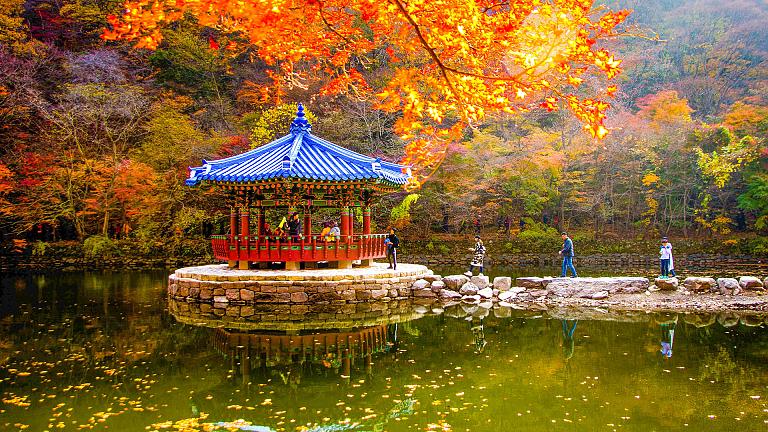
November is a transitional month in South Korea, offering a mix of late-autumn scenery, cultural experiences, outdoor activities, and coastal landscapes. While fall foliage is still an attraction in many parts of the country, especially in early and mid-November, you can also enjoy Korea's palaces, cities, mountains, and coastlines without planning your trip entirely around autumn colors. The best places to visit depend on what kind of experience you are looking for.
Seoul
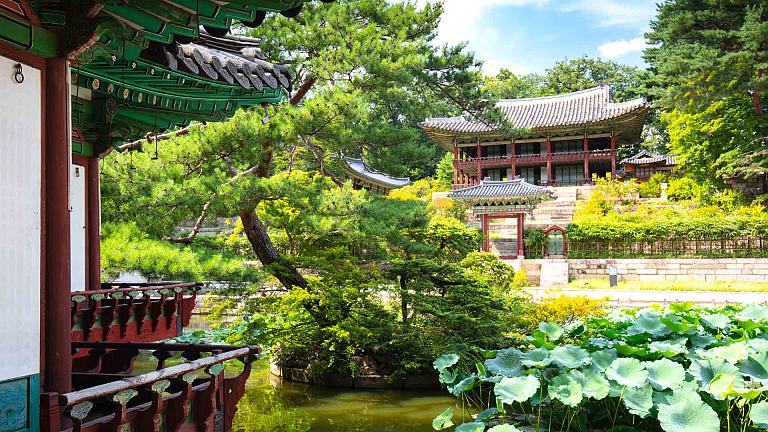
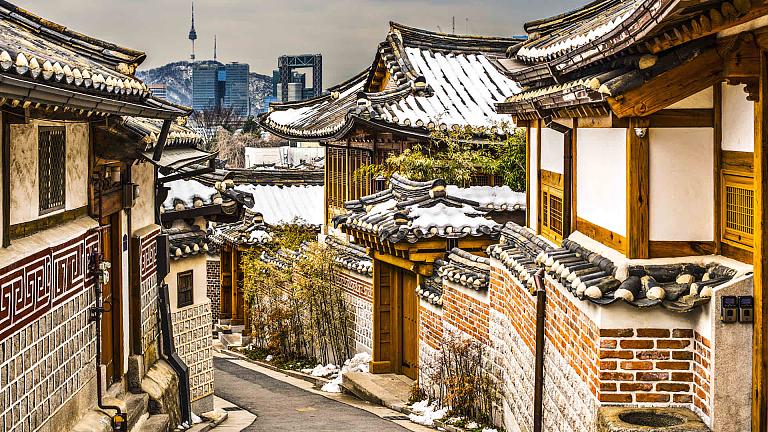
Seoul is a good choice for a first trip to South Korea in November, combining late-autumn scenery with the country's history, culture, and modern city life. Changdeokgung Palace is particularly worth visiting in November for its autumn colors, especially in the Secret Garden, where fall foliage complements the palace's traditional architecture, ponds, and pavilions. You can also explore traditional neighborhoods, museums, markets, cafés, and restaurants around the city. In early November, the weather is generally comfortable for walking and sightseeing, while the autumn colors gradually fade later in the month.
Busan
Busan offers a different November experience with its coastal scenery, relaxed atmosphere, and relatively mild weather. Spend time around Haeundae and Gwangalli, explore Gamcheon Culture Village, or enjoy seafood and local markets. In early to mid-November, you can also combine the city's coastal attractions with autumn scenery in parks and nearby mountains.
Jeju Island
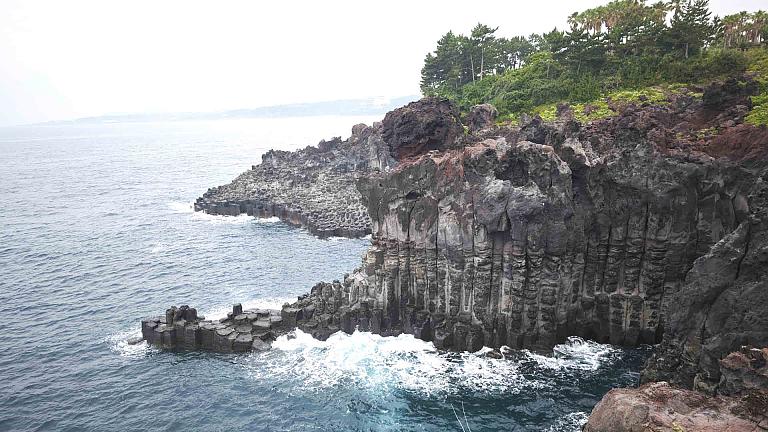
Jeju Island is worth considering if you prefer nature and outdoor activities over city sightseeing. November brings cooler weather that is well suited to walking and hiking, while the island's volcanic landscapes, coastal trails, waterfalls, and countryside remain attractive beyond the fall foliage season. Its milder temperatures compared with Seoul also make it a comfortable option later in November.
Recommended Tour Itinerary
Other Places for Autumn Scenery
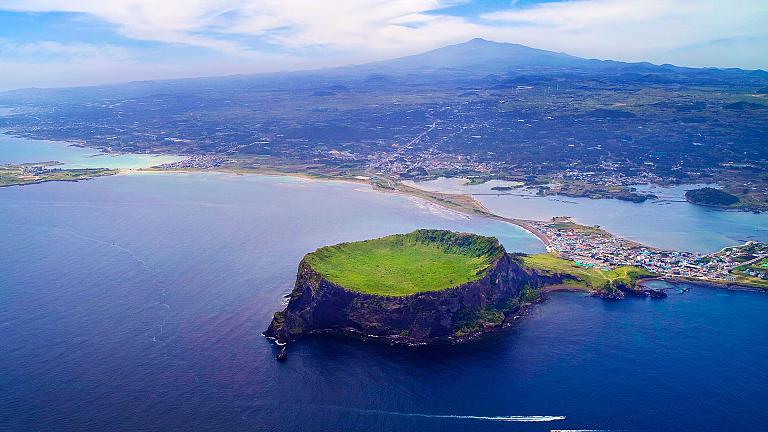
If you want to include some autumn scenery in your November trip, these destinations offer different ways to enjoy the season, from an easy day trip to mountain hiking.
| Destination | Location | What to Experience | Best For |
| Nami Island | Near Seoul | Tree-lined paths, riverside scenery, and easy walking or cycling. | A relaxed autumn day trip |
| Naejangsan National Park | Jeongeup, Jeollabuk-do | Vivid fall colors around mountain trails, temples, and valleys, with a cable car available. | Foliage viewing and hiking |
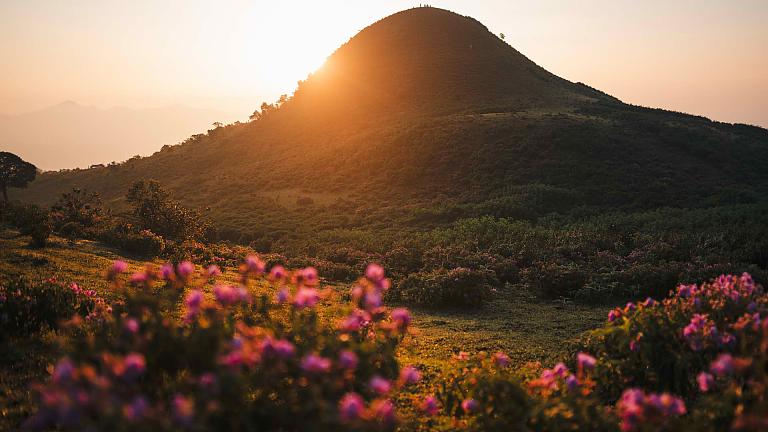
| Jirisan National Park | Southern Korea, across Jeollanam-do, Jeollabuk-do and Gyeongsangnam-do | Extensive mountain landscapes, valleys, and traditional temples, with opportunities for longer hikes. | Nature, hiking, and a quieter outdoor experience |
Costs and Crowds in November
Travel costs and crowd levels in Korea generally change as the fall foliage season comes to an end. Early November can still be a busy period at popular foliage destinations, while visitor numbers tend to decrease later in the month.
In early to mid-November, when fall foliage is still visible in destinations such as Busan, Naejangsan, Jirisan, and Jeju Island, popular trails and scenic spots can attract both domestic and international visitors. Accommodation may also be relatively busy, especially on weekends and around popular foliage destinations.
Later in November, as the foliage season ends, visitor numbers generally decrease. Popular attractions tend to be quieter, hotel availability improves, and accommodation prices may become more reasonable.
Festivals in South Korea in November
- Busan Fireworks Festival: one of Korea's most visually spectacular at Gwangalli beach in Busan, surrounded by crowds as synchronized fireworks light up the night sky over the ocean. You can enjoy music-backed firework shows, street food stalls, and a festive seaside atmosphere.
- Incheon Local Festa: At this community-focused festival in Incheon, you can experience a more local side of Korea. Think regional food tastings, cultural performances, craft markets, and interactive booths. It's a great opportunity to engage with everyday Korean culture in a relaxed, less touristy setting.
- Sunchang Tteokbokki Festa: In Sunchang, known for its chili paste, this festival is all about Korea's beloved street food, spicy rice cakes. Sample different styles of tteokbokki, join cooking experiences, and explore local food culture, all set in a lively, food-centric atmosphere perfect for casual and flavorful exploration.
Plan Your November Trip to South Korea
Whether you want to catch the last of the fall foliage, explore Seoul's palaces and neighborhoods, enjoy Busan's coastal scenery, or spend more time in Korea's mountains and countryside, November offers plenty of ways to shape your trip. Contact Odynovo to discuss your travel dates and interests, and we'll help you plan a private South Korea itinerary around the experiences you want to enjoy.
Recommended Tours
-

-
-
-
South Korea Family Tour: Lotte World, Haeundae & More12 DaysSeoul, Busan, Jeju IslandExplore This Tour
Related Posts You May Like