South Korea in January 2027: Weather, Activities & Travel Tips
January is the coldest month of the year in South Korea, so it may not be the most comfortable time for first-time visitors who want to explore the country extensively. However, if you've visited South Korea before, winter offers a different side of the country, from skiing in the mountains to experiencing Korean culture in a quieter season.
In this article, you'll find information about the weather in January, tips for planning your itinerary, and advice on what to pack to make the most of your trip to South Korea.
South Korea Weather in January
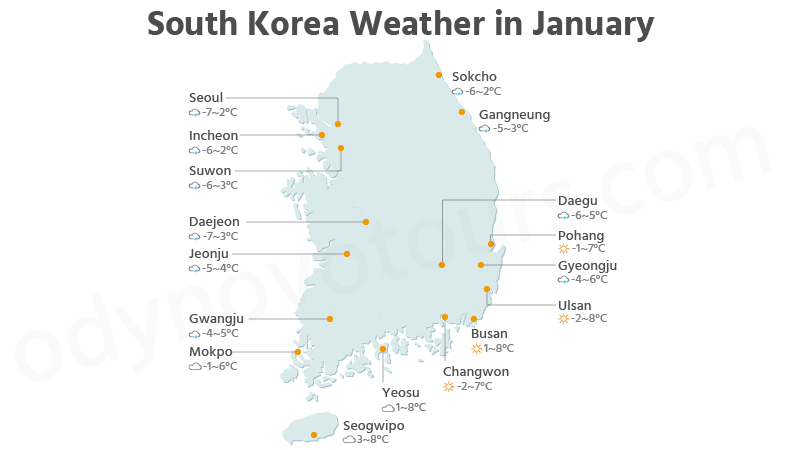
January is the coldest and driest month of the year in South Korea. Days are often sunny, with crisp, dry air and good visibility. Although temperatures can feel quite cold, the dry weather can make it more manageable than the numbers suggest. At night, temperatures frequently fall below freezing, so it's recommended to stay indoors.
 South Korea Weather in January
Seoul
In January, Seoul is a windy city. Daytime highs typically range from 0 to 1℃ (32 to 34℉), while nighttime temperatures can drop to between -10 and -5℃ (14 to 23℉).
Gangwon-do
Due to the low temperatures, precipitation often falls as snow, making its ski resorts particularly appealing.
Busan and Gyeongju
The weather is a little milder, and after midday, temperatures usually remain slightly above 0℃ (32℉).
Jeju Island
In the south of the country, nighttime temperatures usually stay above 5℃ (41℉), while in the rest of the country, they typically remain below 0℃ (32℉) and snowfall is frequent.
Note: In January, it gets dark relatively early in South Korea, with around 9 hours of daylight per day. You can make the most of these daylight hours by planning your sightseeing accordingly.
| City | Temperature in January | Rainy Days |
| Seoul | -9 to 1℃ (16 to 34℉) | About 3 days |
| Busan | -1 to 7℃ (30 to 45℉) | About 7 days |
| Jeju Island | 6 to 8℃ (43 to 46℉) | About 12 days |
Is January a Good Time to Travel to South Korea?
The truth is that January isn't the best time for city breaks or outdoor activities in South Korea. However, it's an excellent time for skiing and experiencing Korean culture in greater depth, for example, by visiting museums or trying Korean makeup.
Furthermore, as January is generally a low season for tourism in South Korea, it often offers excellent value for money. You can not only save money but also avoid the crowds. Hotels in Seoul and Busan tend to be more reasonably priced and frequently offer discounts. It's also easier to visit the main attractions, with shorter lines and more space to enjoy each site.
Although ski resorts in the northern mountain regions are in peak season, their prices are often more affordable than those in Japan during the same period, while still offering a good skiing experience. Even in destinations like Jeju Island, which are very popular with domestic travelers looking to escape the cold, prices remain relatively affordable.
What to Do in the Best Destinations
Gangwon-do
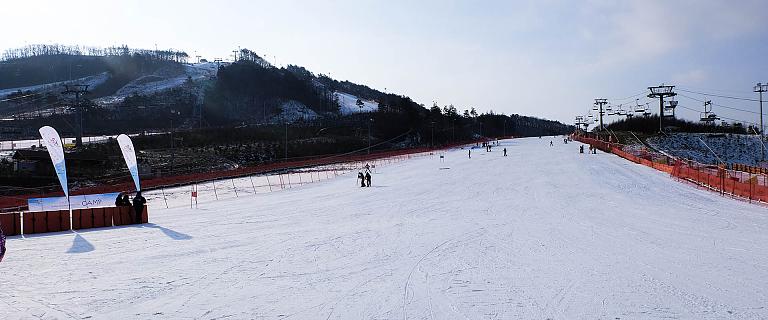
The ski season runs from December to March, and January is the busiest month in Gangwon-do. In northern South Korea, the mountainous areas usually have good snow coverage throughout January. Snowfall in Gangwon-do is heavier and more consistent this month, so you can enjoy dry, compact, high-quality powder snow. The dry climate also means the snow is usually light, and many slopes also have artificial snow.
Another advantage of skiing in Gangwon-do is that its slopes tend to have gentle gradients and relatively flat terrain, making them particularly suitable for beginners.
Recommended ski resorts in South Korea:
| Ski Resort | Why We Recommend It | Recommended For | Rating |
| Yongpyong Resort, Pyeongchang | 2018 Olympic venue · More slopes · Comprehensive facilities · Greater international recognition | Everyone, especially families and intermediate to advanced skiers | ★★★★★ |
| Phoenix Pyeongchang, Pyeongchang | Olympic venue · Comprehensive accommodation, dining, and entertainment options · A good resort option even if you don't ski · Ideal for private tailor-made trips | Families and beginner to intermediate skiers | ★★★★★ |
| Vivaldi Park Ski World, Hongcheon | Extensive night skiing and leisure activities · Particularly suitable for families with children and couples | Families, couples, and younger travelers | ★★★★☆ |
| Elysian Gangchon, Chuncheon | Close to Seoul · Direct access by ITX train · Ideal for beginners, although smaller in size | Beginners and day trips from Seoul | ★★★★☆ |
| High1 Resort, Jeongseon | Good snow quality · Challenging slopes · More remote location, but ideal for experienced skiers | Intermediate and advanced skiers | ★★★★☆ |
| Konjiam Resort, Gwangju (Gyeonggi-do) | 1 hour from Seoul · Easy access · Limited in size, making it ideal for a half-day or one-day skiing experience | Travelers with limited time | ★★★☆☆ |
| Jisan Forest Resort, Icheon | Popular with Seoul residents · Less internationally known · Facilities and scenery are less impressive than those at the resorts listed above | Those looking for a skiing experience close to Seoul | ★★☆☆☆ |
Jeju Island
In January, temperatures on Jeju Island remain mild, so you can see snow-covered Mount Halla without experiencing the most intense winter cold on the mainland. The coastal areas remain snow-free, allowing you to take leisurely walks by the sea while photographing volcanic landscapes, waterfalls, and lava formations. Best of all, the island's relaxed café culture and resort-style accommodations make it easy to plan a comfortable winter itinerary.
Busan
Thanks to its coastal location in the south, Busan has less wind chill in January and very little snow. Haeundae and Gwangalli beaches are peaceful and pleasant at this time of year, while Jagalchi Fish Market offers a warm and lively indoor atmosphere where you can try fresh seafood and local dishes. In the cold January weather, soaking in Busan's centuries-old hot springs or experiencing a traditional Korean jjimjilbang can be an unforgettable experience.
Seoul
In January, Seoul is better suited to indoor activities, and its wide range of options also allows you to combine outdoor sightseeing with the comfort of staying indoors. In a short time, you can go from Gyeongbokgung Palace to heated museums, or from Bukchon Hanok Village to local cafés and galleries, with plenty of places to stop and warm up along the way. Neighborhoods like Myeongdong have large shopping centers where you can shop or take a break, as well as places offering relaxing head massages and even K-beauty experiences.
Recommended Tour Itinerary

Andong
Andong is an ideal destination for experiencing South Korea's traditional culture. In January, there are relatively few tourists, so you can explore the well-preserved Hahoe Folk Village in the peaceful atmosphere of winter. Here, you can admire traditional hanok houses, stone walls, and the scenery of a village dating back to the Joseon period.
You can also visit historic sites such as Dosan Seowon Confucian Academy and learn about the development of Confucian culture in South Korea. In addition, you can try Andong soju (a traditional Korean liquor) and traditional cuisine, as well as stay in a hanok house to experience a local way of life that has been preserved for hundreds of years.
In winter, Andong has a slower pace, making it a good time to experience South Korea's traditional culture in greater depth.
Winter Festivals in South Korea in January
Hwacheon Sancheoneo
Held on the frozen Hwacheoncheon River in Gangwon Province, this festival invites you to fish for mountain trout through the ice alongside thousands of locals, or even try catching them with your bare hands. You can also join other ice activities, such as sledding and ice soccer.
Taebaeksan Snow Festival
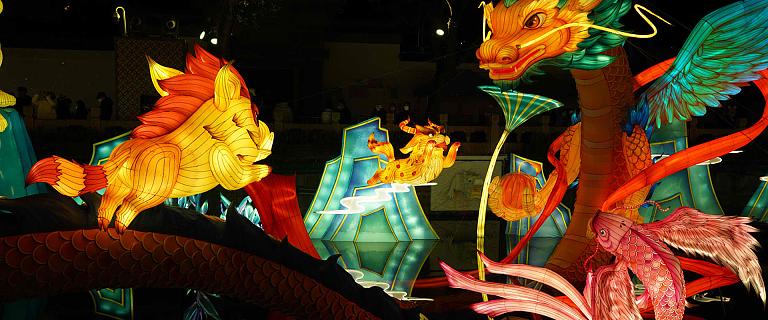
The festival features large-scale snow sculptures, illuminated installations, and snowy landscapes that recreate a classic winter wonderland. You can take your time exploring the installations, taking photos, and combining your visit with a light hike or a walk around the surrounding area.
PyeongChang Trout Festival
The festival offers an ice fishing experience similar to Hwacheon, although on a smaller and more organized scale. It is located near PyeongChang, making it a good stop if you're already visiting the area's ski resorts. It's also a good option for those who want to try winter fishing and other seasonal activities without the larger crowds.
Tips for Traveling to South Korea in January
Dress in Layers
A good combination is a thermal base layer, a warm mid-layer such as fleece or wool, and a waterproof outer coat with good insulation. You can also add gloves (ideally touchscreen-friendly), a scarf or even a face mask, and a hat that covers your head and ears well. If you plan to spend a lot of time outdoors, bring comfortable, insulated footwear as well as heat patches or body warmers.
Take Frequent Indoor Breaks
It's easy to warm up indoors in South Korea. Cafés, shopping centers, museums, and even subway stations are usually heated. This allows you to warm up and stay comfortable without having to wear too many layers. It's a good idea to plan your daily sightseeing with frequent indoor breaks. If you'd rather not organize everything yourself, you can contact us and we'll take care of the entire itinerary, making winter travel a more comfortable and enjoyable experience.
Book in Advance
If your trip coincides with the Korean Lunar New Year (Seollal), which usually takes place between late January and mid-February (in 2027, it will fall on February 6), we recommend booking your flights, train tickets, and accommodation in advance. During this period, millions of Koreans return to their hometowns, causing demand to increase significantly.
If you plan to ski, it's also advisable to book accommodation and ski passes at popular resorts such as Yongpyong Resort, Phoenix Pyeongchang, or Vivaldi Park Ski World in advance, especially on weekends and during the winter holidays.
Recommended Tours
-
 South Korea Family Tour: Lotte World, Haeundae & More12 DaysSeoul, Busan, Jeju IslandExplore This Tour
 -
-
-
Related Posts You May Like
-
Winter in Korea 2026: Snow Sports, Festivals & Events
-
2026/2027 Seoul Lantern Festival Celebration Guide
-
Family Trip to South Korea: Planning Tips & Ideas
-
Guide to Take KTX, Korea Train Express 2026
-
Korea in November 2026: Festival, Best Places & Travel Tips
-
South Korea in December 2026: First Winter Month for Ski