How to Plan a Senior Trip to Morocco 2026
This practical guide is tailored for a senior trip to Morocco. We understand that the meaning of travel for you is experiencing safely and comfortably. It focuses on core issues, such as health, safety, activity recommendations, and accommodation options, and offers tips and coping methods. If you are planning to visit Morocco, our information will help you start this journey calmly.
- Is Morocco a Senior-Friendly Destination
- Best Time to Visit Morocco for Seniors
- How Many Days to Stay in Morocco for Seniors
- Cost of Senior Travel to Morocco
- Transportation in Morocco
- Where to Stay for Seniors
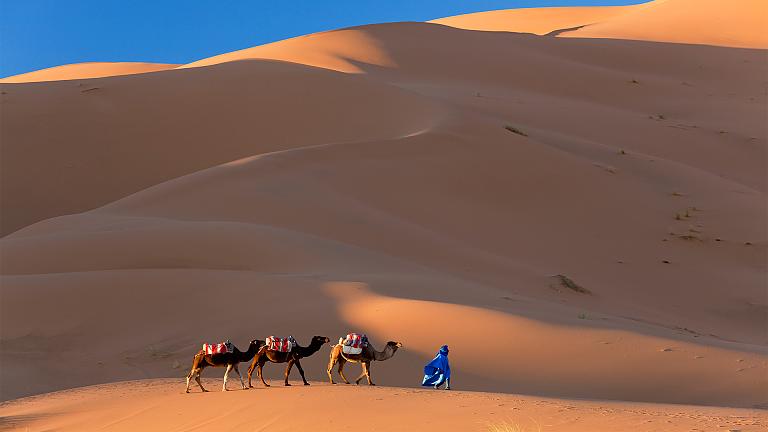
- Can Seniors Go to the Sahara Desert
- Top Places & Experiences for Seniors in Morocco
- FAQs for Seniors Visiting Morocco
Is Morocco a Senior-Friendly Destination
YES. Before I knew Morocco, I thought it was chaotic, dangerous, and full of guns everywhere. Now, after years of in-depth learning, I can responsibly tell you that traveling to Morocco is safe, including for the elderly. But here are some facts and tips for you.
The major travel destinations of Morocco, such as Marrakesh, Rabat and Casablanca, are far from the border with Algeria and the Western Sahara. Their comprehensive infrastructure, flat streets, and convenient transportation can meet your basic travel needs and ensure your safety.
You may encounter inconveniences in certain areas, such as the cobblestone roads in the old medinas or the steps inside some historical sites. In addition to these, you'd better pay attention to pickpockets and keep your personal belongings safe.
Morocco may not be as worry-free as countries like Japan and Singapore, but a professional travel agency can address your concerns. Odynovo will prioritise your safety and health, offering you a comfortable trip.
Best Time to Visit Morocco for Seniors
Usually, we recommend that the best time to visit Morocco is spring (March to May) and autumn (September to November), and this is also suitable for the elderly. During these periods, the climate is mild, with daytime temperatures ranging from 17 to 25°C (63-77 ℉). It offers good conditions for leisurely sightseeing and minimizes your physical strain caused by the weather.
Winter (from December to February) is an optional period with comfortable weather and low cost. Coastal areas and central cities such as Casablanca, Chefchaouen, and Fez often experience daytime temperatures ranging from 12 to 18 ℃ (54 to 64 ℉), warmer than in New York and Washington, DC, but with a large temperature difference between day and night. Light jackets should be prepared for early morning and evening, while long-sleeved shirts or thin shirts can be worn at noon. Because of nighttime temperatures that may drop below 0℃ and complicated road conditions, I suggest you avoid spending the night in the Atlas Mountains or the Sahara Desert.
Traveling during the summer (from June to August) is not recommended, especially to inland and desert areas. The daytime temperature can reach above 40 ℃ (104 ℉) or more. Even in the early morning or evening, the heat is difficult to completely avoid, which may affect your comfort and physical condition.
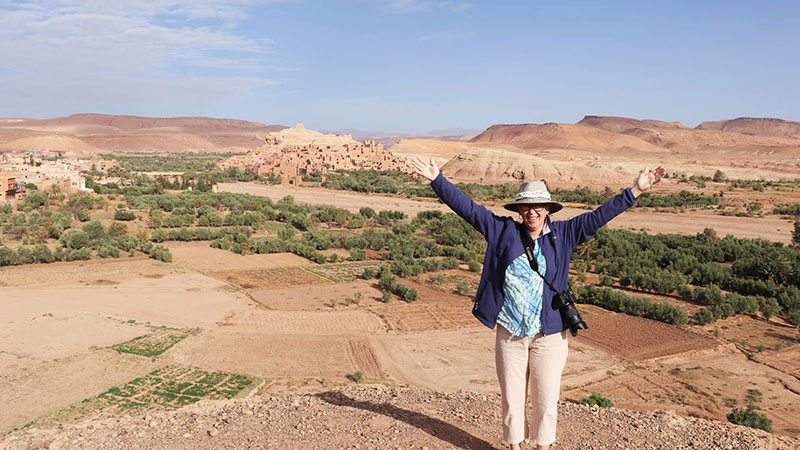 Our Client in Morocco
How Many Days to Stay in Morocco for Seniors
Most travelers are recommended to stay for 7 to 12 days in Morocco. For the elderly, a duration of 10 to 15 days is advisable. Because longer stays can effectively slow down the pace, offering sufficient time to rest and have a deep experience.
The 9-day classic route is suitable for first-timers. You'll go to the must-visit destinations, like Marrakech, Fez, Casablanca, Rabat, and the Sahara Desert. In my opinion, choose 2-3 destinations that you're interested in is highly recommended. You can deeply explore ancient sites and reduce travel stress.
Outdoor activities may have high physical demands, but through some clever planning, you can still easily enjoy the beauty of nature. Staying in the valley of the Atlas Mountains for 2-3 nights, you'll comfortably admire the mountain scenery by taking a car tour or viewing from the terrace. For the Sahara Desert, arrange 2 nights. It's better to directly take a private car to a hotel equipped with modern facilities. The Atlantic coast is relatively easier. You can stay in Agadir or Essaouira for 2-3 nights. According to your pace, take slow walks along the coast and taste seafood.
Anyway, take it easy. Age is not an obstacle. Just pay attention to moderate daily activities, and arrange a rest day every 2-3 nights to make your trip relaxed.
Recommended Tour Itinerary
Cost of Senior Travel to Morocco
The travel cost in Morocco is moderate. A 9-day, 4-star trip will cost approximately 1300 US dollars per person (single room for two). In terms of daily dining, a cup of mint tea costs around 1 - 2 US dollars, and a moderate meal costs approximately 10 - 15 US dollars, like a tagine. Airfare prices fluctuate significantly with the seasons. During off-peak seasons (summer and winter), you can save a lot on international flight costs.
If you want to enhance the comfort and security, consider a customized tour. Based on your current situation and needs, we will customize a hassle-free, high-service, and slow-paced trip for you.
Transportation in Morocco
Convenient Transportation Between Major Cities
The connection between the attractions, stations, and accommodations may cause inconvenience for the elderly, although the train, bus, and taxi networks cover the main cities in Morocco. Because frequent location changes, luggage handling, and a fixed schedule of public transportation consume a great deal of energy.
Private Car is Best for the Elderly
Local drivers and vehicles who are familiar with the complex road conditions are essential, especially for desert and mountain areas. We can arrange for you. A comfortable car will directly pick you up and drop you off, and adjust the driving pace according to your physical condition, minimizing your physical exertion and uncertainties during the journey.
Where to Stay for Seniors
Riads: Traditional Courtyard Houses
Riads are usually located in the medina of ancient cities such as Marrakech and Fez. Featuring traditional, serene and itimate, they are suitable for those who enjoy cultural immersion and a quiet environment.
However, most Riads are small in size, have steep stairs, and lack elevators. So, remember to confirm whether there are low-floor rooms and anti-slip facilities.
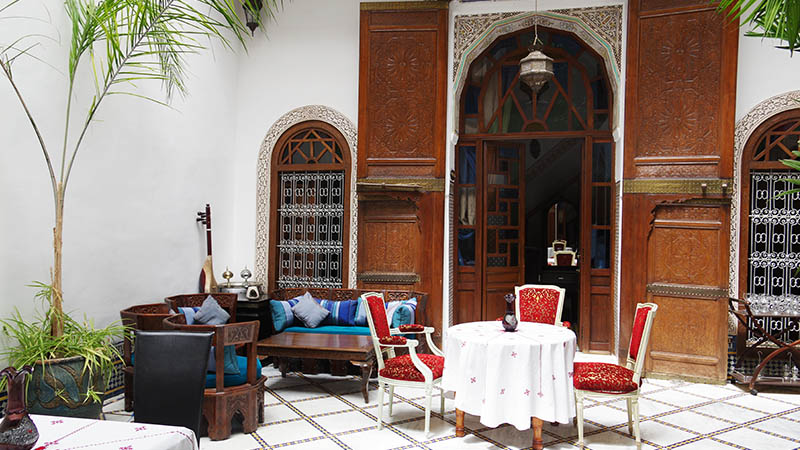 Courtyard of a Moroccan Riad
Boutique Hotels and Luxury Resorts
We usually arrange luxury accommodations for those who prefer the rest quality and security. Located in new urban areas, on the coast, or at the edge of deserts, they are equipped with elevators and modern facilities. Some even have swimming pools, spas, and restaurants.
Can Seniors Go to the Sahara Desert
For seniors, this is not an easy decision, depending on what kind of experience you are eager to obtain.
The Sahara Desert is appealing with a starry sky, dunes, and sunsets, but it often takes more than 8 hours from major cities in Morocco (such as Marrakesh and Casablanca). Additionally, the road conditions are complicated, the temperature difference between day and night is large, and the facilities are relatively simple. It is a test of your physical strength and adaptability.
However, it is a must-visit attraction for those who are physically fit and can face inconveniences with an optimistic mind. If you prefer a leisurely travel pace or feel tired after long car rides, consider allocating time to explore other cities or coastal destinations, like Chefchaouen and Agadir.
Top Places & Experiences for Seniors in Morocco
Casablanca
Casablanca is an ideal first stop for senior tourists in Morocco. It combines tradition and modernity, with good security and well-developed facilities.
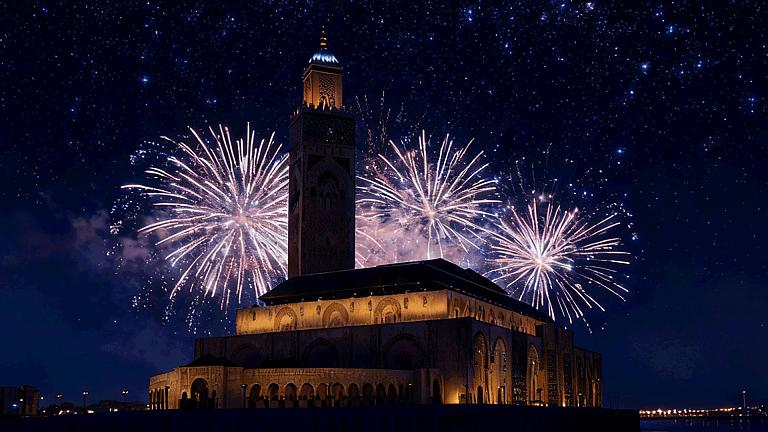
The famous landmark, Hassan II Mosque, is located here. Its gentle path and sufficient rest areas make the physical requirements for this exploration not high. Driving 10 minutes from the mosque, the Corniche of Ain Diab is a great choice for relaxing and enjoying the sunset.
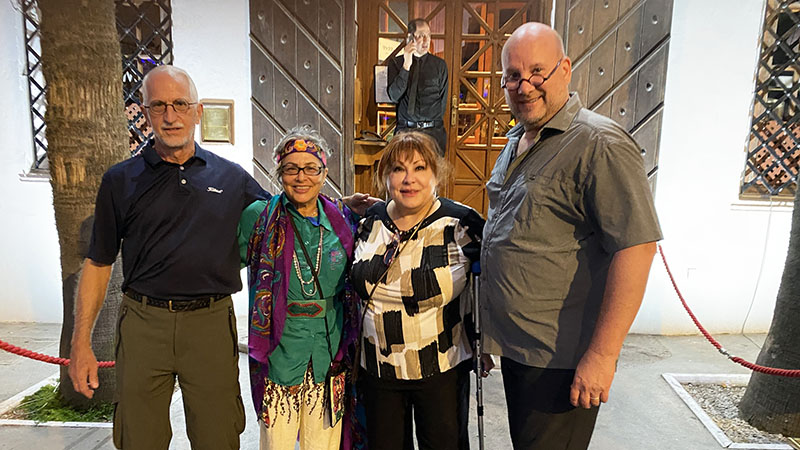 Our Clients in Casablanca
Marrakech
Marrakesh is also often the first choice for seniors visiting Morocco. Even just strolling through the streets filled with red buildings, you can feel the charm of its history.
I recommend visiting the Jardin Majorelle Garden and the Bahia Palace, quiet and suitable for leisurely exploration. The alleys around Jemaa el-Fna Square are narrow and crowded. You'd better go there during the day to reduce physical exertion. Still, be cautious with your belongings in crowded areas and avoid carrying too many valuable items.
Rabat
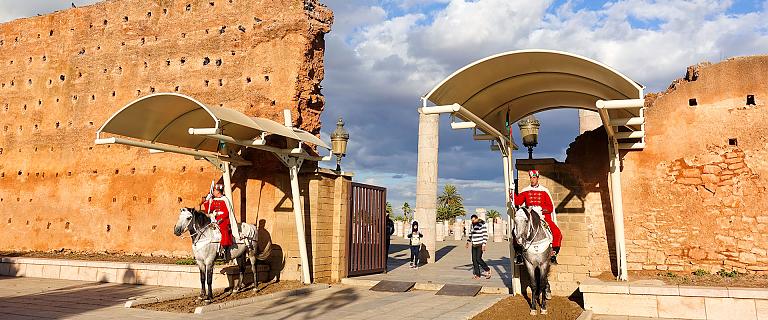
As the capital of Morocco, Rabat has a relatively peaceful atmosphere and wide streets, which are particularly suitable for those who enjoy culture. Hassan Tower and the Rabat Museum allow you to learn about Morocco's history. Avenue Mohammed V is the city's center, with many important buildings and government offices.
It should be noted that ancient areas such as the Kasbah of the Udayas have slopes and uneven stone roads. To ensure safety, we recommend that you wear anti-slip shoes to enhance your stability and safety while walking. It is advisable to slow down and make full use of the benches or cafes along the way. This way, you can take multiple short breaks to conserve your energy and enjoy a better exploration.
Recommended Tour Itinerary
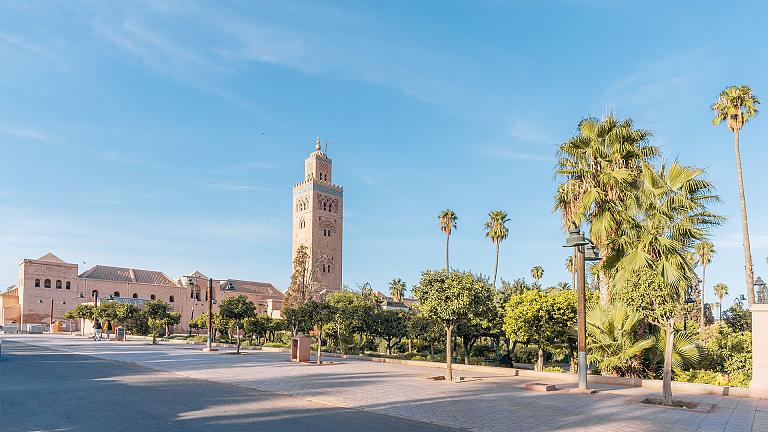
More Optional Destinations
Fez: If you have a great interest in spices and craftsmanship, I suggest you visit Fez. The Medina of Fez is a World Heritage Site, which has a well-preserved traditional Moroccan style: the alleys are narrow, winding, and have many steps, making it very tiring and easy to get lost. Therefore, you need a professional guide.
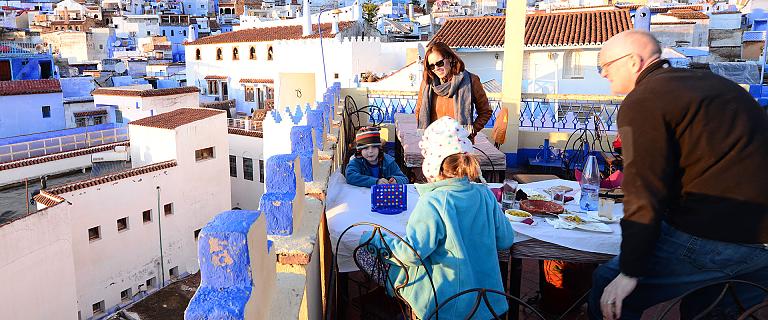
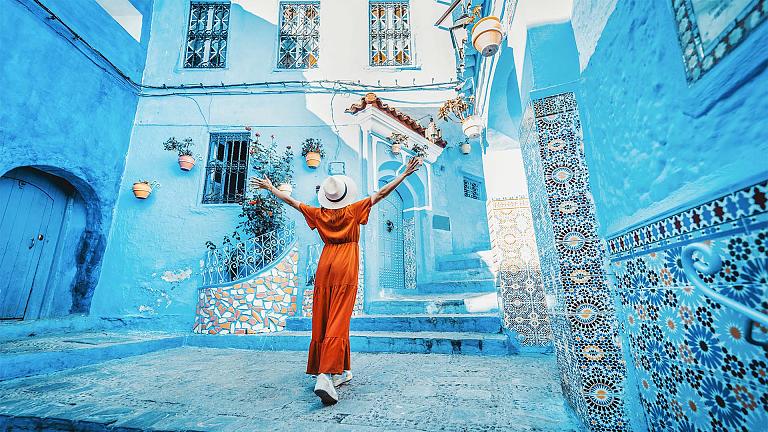
Chefchaouen: It's filled with blue buildings. Simply strolling at will, you might encounter cute cats. Focus on the main street area, because there are steep alleys and many steps to the higher places.
Agadir: It has long beaches, wide coastal walkways, and convenient modern facilities, making it friendly for the elderly. You can't help but slow down your pace: take a walk along the coast or enjoy the sun in an outdoor café. If you pursue a rich historical atmosphere, you might find it too modern and quiet.
Recommended Tour Itinerary
FAQs for Seniors Visiting Morocco
Customized Tour or Group Tour?
To make your journey more relaxed and secure, we recommend giving priority to a customized trip designed by a professional travel agency for you. Group tours need to take into account the pace of all members and have more uncertainties.
Feel free to contact us. We will arrange a slow-paced route based on your physical condition and preferences, provide round-trip private transportation throughout the journey, and confirm in advance the availability of elderly-friendly facilities at each destination. If you need more rest time or wish to make adjustments to the itinerary, we can also coordinate it properly.
Is Language Communication Difficult?
Basic English is Sufficient for Communication. In the major tourist cities of Morocco, the staff at hotels, restaurants, and tourist attractions can generally communicate in English at a basic level. Learning a few local greetings can add fun. Locals always smiled and talked more with me after I said "Shukran" (Thank you). What Are the Tips for Health and Safety?
Before departure, please ensure you have sufficient personal medications and carry an English prescription. Pharmacy outlets are widely distributed in Morocco, but some special medications still require a prescription.
When in crowded areas, like markets and mosques, use a small bag to store important items or pack less. After dusk, if there is no accompanying person, it's better to avoid entering the alleys of the old town alone.
Can the Elderly Adapt to Moroccan Food?
Of course. Moroccan food is seasoned with a variety of spices. We'll politely ask the chef to adjust the amount of spices if you prefer a lighter taste. Desserts and mint tea are part of the local culture, but they have a high sugar content. We recommend that you taste them in moderation. Local staple foods such as couscous have a soft texture, and vegetarian versions are easy to digest.
Recommended Tours
-
 Northern Morocco With Blue City & Tangier7 DaysTangier, Tetouan, Chefchaouen, Meknes, Fez, RabatExplore This Tour
 -
Morocco Honeymoon Vacation14 DaysCasablanca, Fez, Erfoud, Merzouga, Dades Gorges, Ouarzazate, Marrakech, EssaouiraExplore This Tour
-
Morocco Cultural and Jewish Heritage10 DaysCasablanca, Rabat, Chefchaouen, Meknes, Fez, Ifrane, Marrakech, EssaouiraExplore This Tour
-

Related Posts You May Like