Typhoon Season in Japan 2026: Is it Safe & Worth it?
Typhoon is one of the biggest weather concerns when planning a trip to Japan. While heavy rain and storms can affect transportation and outdoor plans, does a typhoon actually mean your trip will be ruined? With this guide to Japan's typhoon season, plan flexibly and find out when and which areas are more affected, it won't be a task to "survive" this special typhoon season in Japan.
When is the Typhoon Season in Japan
Japan's typhoon season typically runs from May to October, and August to September is the most active period when about 2 typhoons make strong landfall in Japan.
However, even during the active typhoon period, not every part of Japan is affected by heavy rain and strong winds, and many trips still go smoothly with local festivals and celebrations; yet, still keep your Japan itineraries somewhat flexible during this special period.
- May to July: the early season with occasional typhoons forming over the Pacific, with more stable weather compared with late summer.
- August to September: Peak typhoon activity when strong storms are more likely to approach or make landfall in Japan.
- October: the late season, when the typhoon risk gradually decreases, with occasional late-season typhoons that can still occur.
What Month Does Japan Get the Most Typhoons
September is often considered the peak month for typhoon activity in Japan, when tropical storms moving north from the Pacific are more likely to approach or make landfall in Japan, especially in Okinawa, Kyushu, and Shikoku.
It is not necessary to skip your September journey; however, make your itinerary flexible and avoid extremely tight travel schedules. Monitor weather forecasts regularly for early transport for indoor activities or hotel relaxation, and also consider travel insurance for extreme weather disruptions.
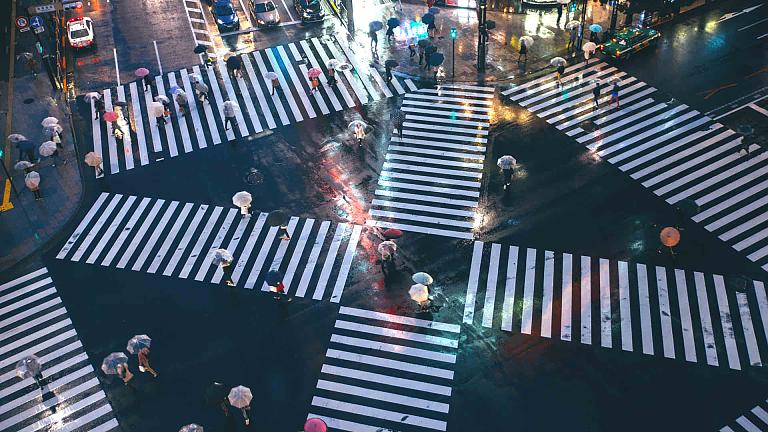
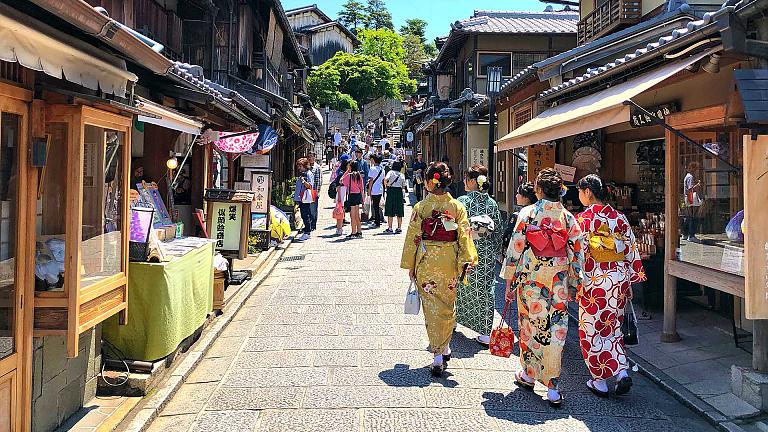
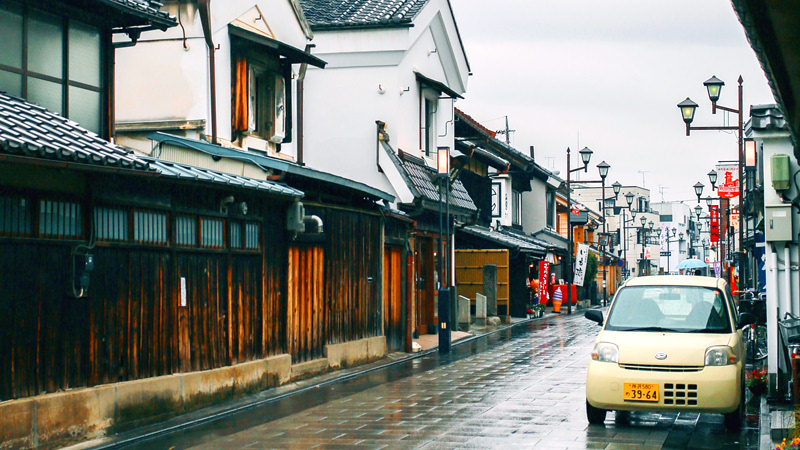 Japanese Street in Typhoon Season
Is It Safe to Go to Japan During the Typhoon Season
In most cases, yes. In fact, typhoons do not affect the entire country; even when a typhoon hits, its impact is usually limited to a relatively short period.
During the typhoon season in Japan, the major issues you may encounter are a day of rain or transportation delays due to flooding, and the transport disruptions are often temporary: they frequently resume within hours or by the following day once safety inspections are completed, thanks to Japan's excellent forecasting systems, strong infrastructure, and well-organized emergency procedures.
Apart from the southern coastal areas, most days during the typhoon season in Japan (especially inland northern regions) are still normal. Just stay informed (you will receive advance warning several days before a storm arrives) and remain flexible.
Will Typhoon Ruin the Itinerary
Mostly not. A typhoon may affect only one or two days of the itinerary. While on your coastal journey in southern Japan (especially Okinawa, Kyushu, and Shikoku), please have a plan B or C for indoor use.
Typhoons usually travel slowly and are easy to predict. Most typhoons move across Japan within one to two days, with the strongest winds and heaviest rain often concentrated in a window of roughly 12 to 24 hours. Which means that you may encounter sudden strong rainfalls in the afternoon, while the sun will return the next morning, rather than have an entire trip disrupted by a typhoon.
The common problem is the delayed return and extended stay when catching the temporary suspension or cancellation of flights, high-speed trains, and ferry services during the storm. And the good news is that you will easily find something to do instead, or let Odynovo make your carefree Japan tour planning.
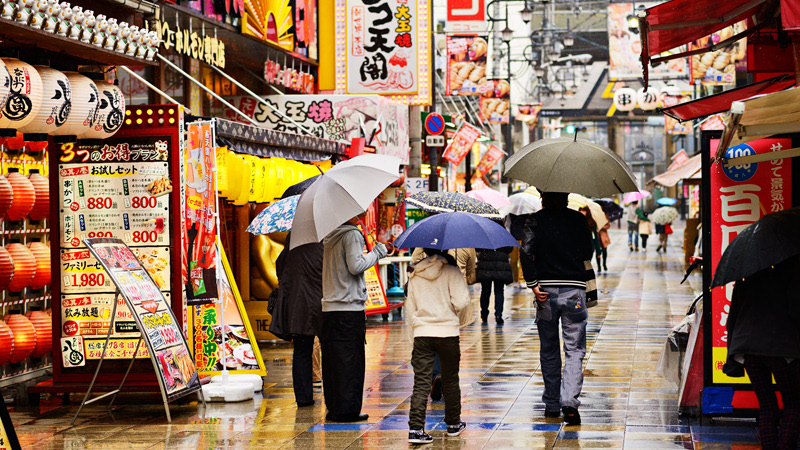 It is Still Possible for Most City Sightseeings with Rain
Who May Want to Avoid Traveling During Japan's Typhoon Season
- Travelers with tight schedules and uncomfortable with weather uncertainty
- Visitors planning beach and outdoor-focused trips
- Looking to visit remote islands such as Okinawa and Yakushima
- Planning a honeymoon or traveling with kids
Why Visit Japan During the Typhoon Season
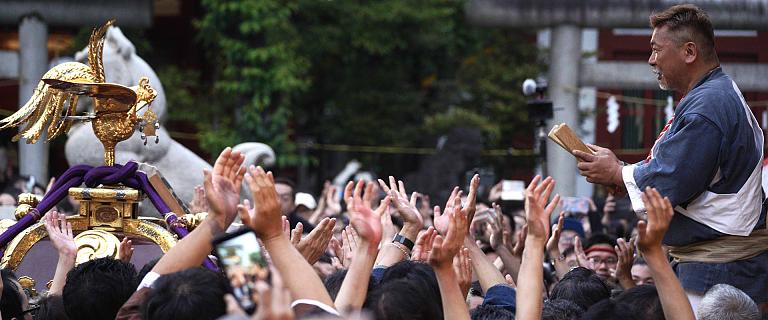
Simply speaking, the typhoon season from summer to early autumn overlaps with Japan's popular festival period, and also a shoulder season with relatively fewer crowds at famous attractions.
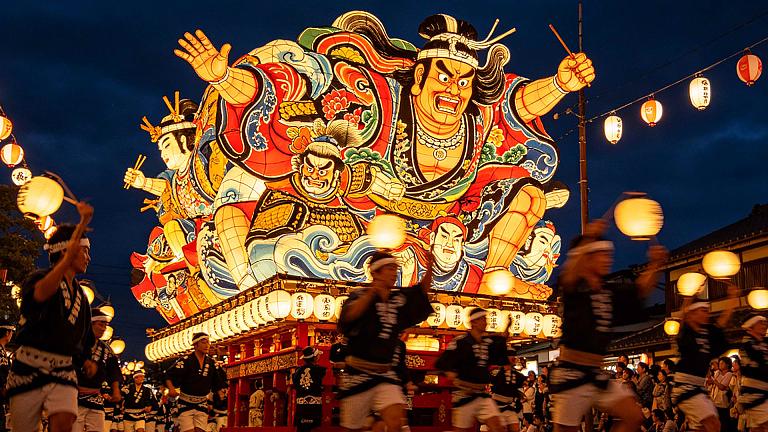
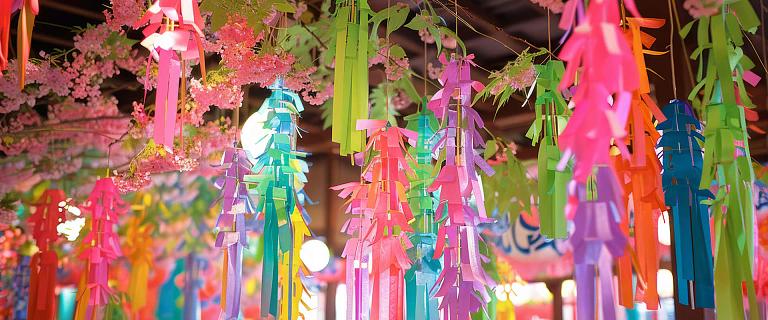
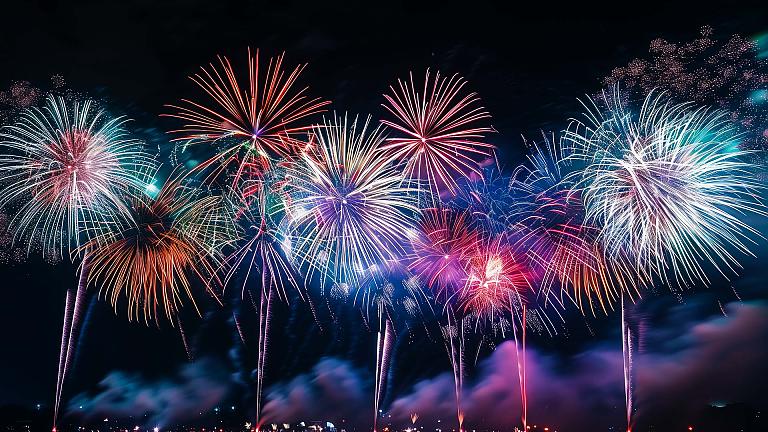
It is a good time to experience Japanese culture in a more impressive way: join the bon odori dancing, watch the spectacular bonfires set on mountains, capture fireworks displays with a yukata, and take part in the nighttime Nebuta float parade with locals, all almost free from the worry of the typhoon interrupting.
If you are also looking for a balanced experience between crowds and sightseeing, popular destinations like Kyoto and Tokyo can feel less crowded from late August and September, allowing a more relaxed pace and a more comfortable travel budget to explore the country.
Is It Worth Visiting Japan During Typhoon Season
A typhoon season trip to Japan is still worth it if you are seeking more cultural festivals, immersive summer tradition experiences, vibrant scenery, potentially fewer crowds, and relatively affordable prices.
Keep in mind that the typhoon season does not mean that Japan experiences severe weather every day. Make your trip planning flexible with a single free day, or just leave all the backups to your reliable travel experts from Odynovo. You will find that those unique festival experiences more than compensate for the small risk of temporary weather disruptions.
Destinations That May Be More Affected by Typhoon
- Okinawa: Okinawa is the most exposed region due to its subtropical Pacific location. Okinawa experiences more typhoon encounters with direct typhoon impacts than anywhere else in Japan.
- Yakushima, Ishigaki Island, and Miyako Island: These remote islands, which rely on a small number of flights or ferry services each day, are difficult to access during severe weather. Usually leads to extended stays due to transportation disruptions.
- Kyushu & Shikoku: The first main islands affected by approaching storms, paired with heavy rain and strong winds.
- Izu Peninsula: Facing the Pacific Ocean makes it more exposed to approaching storms than inland destinations such as Kyoto or Nara.
Where to Go During Japan's Typhoon Season
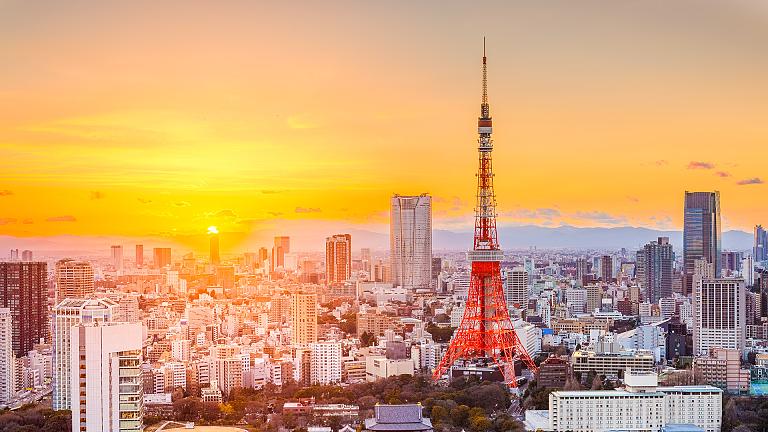
Tokyo
Tokyo is well-equipped to handle heavy rain, and direct impacts are often shorter and less severe than in some southern regions of Japan; mostly, you may experience a little more than occasional rain in Tokyo.
Many attractions in Tokyo are concentrated in urban areas, so you can easily adjust plans based on changing weather conditions. Paired with covered walkways, underground shopping areas, and weather-resilient facilities help minimize disruptions during periods of rain.
It also has excellent transportation, world-class museums, and indoor attractions that are easy to enjoy even when the weather isn't perfect. You can still experience iconic neighborhoods, Japanese culture, food, and entertainment without relying entirely on outdoor activities.
Recommended Tour Itinerary
Kyoto
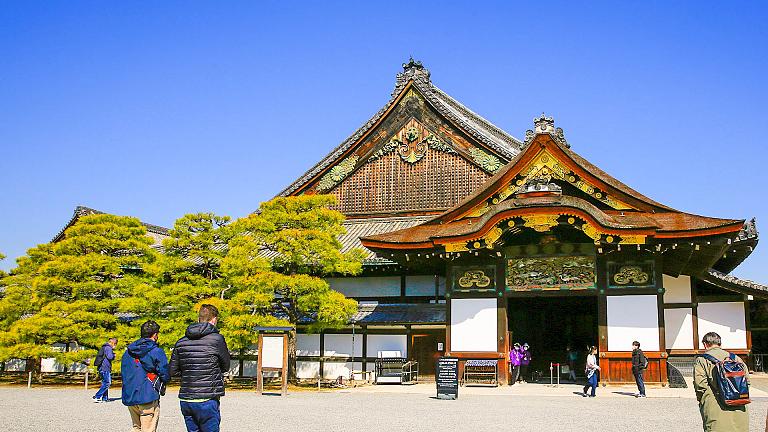
While the city occasionally experiences heavy rain from passing typhoons, Kyoto can still be a great destination during Japan's typhoon season, especially for travelers interested in culture, history, and traditional Japan.
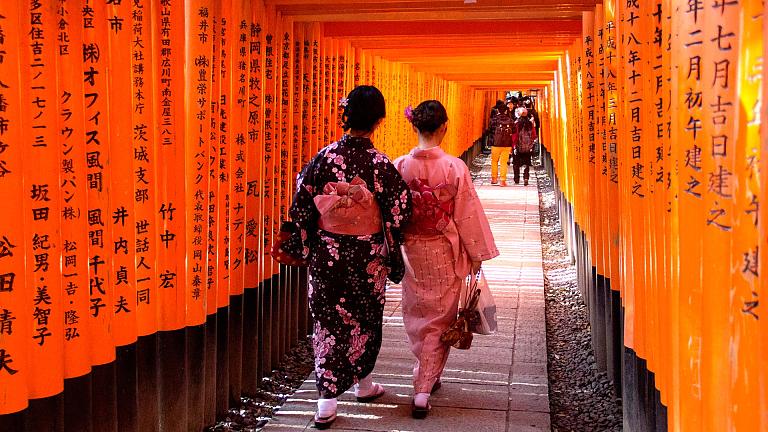
Light rain often enhances Kyoto's historic districts, bamboo groves, gardens, and temple grounds, and tea ceremonies, traditional sweets making, flower arrangement, samurai experiences, geisha dancing performances, and traditional dining provide alternatives when outdoor sightseeing is limited.
If weather conditions change, Kyoto is well connected to Osaka and other parts of Kansai, making your Japan itinerary adjustments relatively simple.
Recommended Tour Itinerary
Hokkaido
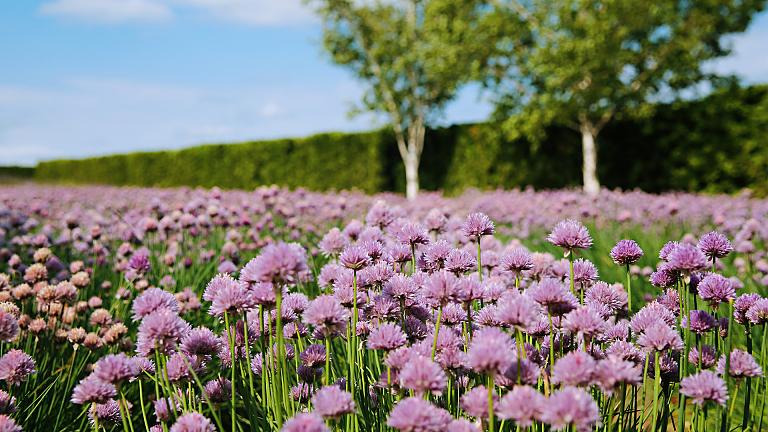
Less frequently affected by typhoons, Hokkaido, the northernmost main island, is often considered one of the best regions to visit during Japan's typhoon season: one of the safest bets if you are seeking pleasant weather to minimize risks.
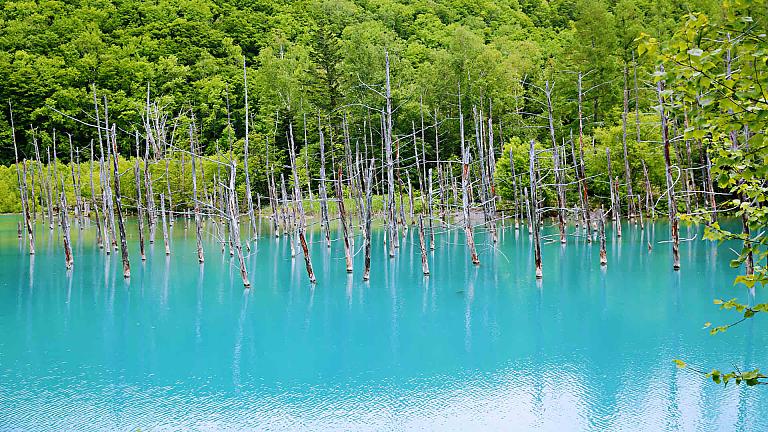
During this special period, Hokkaido is surprisingly dry and sunny. It is totally possible to capture Furano and Biei's flower fields and rolling landscapes with relaxing cycling, visit Daisetsuzan National Park for a leisurely hike through the mountain forest in changing colors, or even further to the Shiretoko Peninsula for wildlife watching with scenic drives.
Most importantly, Hokkaido often experiences cooler, milder, and more comfortable summer weather. Just enjoy more outdoor experiences in Hokkaido.
Recommended Tour Itinerary
Kanazawa
For travelers looking for another cultural destination during typhoon season, Kanazawa, on the northern coast of Japan, can be a smart alternative to those more typhoon-prone southern destinations along Japan's Pacific coast.
Similar to Kyoto, Kanazawa is also known for its gardens, well-preserved chaya and samurai districts, and museums, but less crowded, especially during peak summer travel periods, making rainy days more enjoyable rather than disruptive.
Imagine the delicate Kenroku-en sightseeing with lush greenery, sample fresh seafood and local cuisine at Omicho Market, and head to the 21st Century Museum of Contemporary Art for some indoor hands-on experiences at your relaxing pace.
What to Do If a Typhoon Hits Japan
Be Flexible With Your Itinerary
If a typhoon is expected to pass through your destination, consider adjusting outdoor activities before the storm arrives. For example, visit temples, museums, and indoor attractions earlier, and move hiking or long-distance sightseeing plans to another day. When traveling with Odynovo, please feel free to contact us to make your itinerary adjustments.
Stay Indoors During the Storm
Once strong winds and heavy rain begin, it's generally best to remain inside your hotel or another secure building. Most injuries during typhoons are caused by flying debris, falling branches, high waves, and flooding. So avoid the riverbanks, mountain trails, beaches, and coastal areas on your journey till the storm has passed.
Use the Time to Enjoy Indoor Experiences
A typhoon doesn't necessarily mean a wasted day. Depending on your location, you may still enjoy indoor activities, from museums and galleries to local markets and indoor hot spring bathhouses. Department stores with entertainment facilities are more ideal for families, and there is also no shortage of cultural experiences inside the traditional tea houses.
More Japan Typhoon Season Travel Tips
Prepare Some Foods & Drinks
It is smart to prepare some food and drinks when a typhoon forecast is announced, since local stores and family restaurants will usually close their business before the coming storm.
Choose Hotels Near Major Transport Hubs
During typhoon season, staying near major train stations can be particularly convenient, which can be especially helpful during your Tokyo, Osaka, and Kyoto sightseeing: you can easily find restaurants and shops, as well as those indoor activities within walking distance, as your alternative travel options if services are disrupted.
Expect Hot and Humid Weather
Still keep in mind that the typhoon season in Japan also overlaps with the heat and humidity of summer, and July, August, and early September can feel hotter and more humid than you expect. Light clothing, hydration, and regular breaks can make sightseeing much more comfortable.
Rescheduled Booking is Available
Most hotels and transport companies are also flexible during this special period. So if your travel plans may be affected, and trains and flights are suspended when a typhoon is expected, reach out to airlines, rail operators, or accommodations as soon as possible to reschedule without additional fees.
Recommended Tours
-

-
Japan Hanabi Festival Tour: Nagano Fireworks Show 20269 DaysTokyo, Nagano, Kyoto, Nara, OsakaExplore This Tour
-
-
Related Posts You May Like