How to Plan a Fall Foliage Tour in Japan 2026
Planning a fall foliage Japan tour isn't as simple as picking a few famous spots. You need to consider when you're visiting, when the foliage is expected to peak, where to go for the best views, and how to arrange transportation and accommodation during the busy travel season. This guide covers these key considerations and offers practical tips to help you plan an enjoyable Japan tour in autumn, along with sample itineraries that have been popular with our travelers.
How to Catch the 2026 Japan Fall Foliage
For a classic Tokyo-Kyoto-Osaka itinerary, late November to early December is the best time to catch autumn foliage in 2026. For more detailed peak-date information by region, check our latest 2026 Japan Fall Foliage Forecast.
To catch the best fall colors at a specific destination, use both the 2026 forecast and historical averages to choose your travel window. We also recommend arriving a little earlier than the forecast peak date, as it gives you more flexibility. The forecast is based on trees in the city, so even if you arrive before the city reaches peak color, you can head to nearby mountains and suburbs where foliage turns earlier.
Forecasts released in October tend to be more accurate. But the tricky part is, you usually need to book accommodations 6 to 9 months in advance. So if you find it difficult to nail down your travel date, reach out to Odynovo travel experts who have decades of experience planning Japan fall foliage tours. They'll help you plan your route and timing based on your travel needs and years of firsthand experience with Japan's autumn foliage seasons.
 Autumn Colors in Japan
Best Places to See Fall Foliage in Japan + Planning Tips
Tokyo: Fall Colors & City Sights
Tokyo is a great base if you want to balance fall colors and modern city life. Typically, 3 days are enough to catch the most beautiful fall colors in Tokyo.
| Day | Place | What to Expect |
| Day 1 | Tokyo |
|
| Day 2 | Meiji Shrine |
|
| Senso-ji |
|
|
| Day 3 | Showa Memorial Park |
|
- Where to Stay: Shinjuku, Shibuya
Mt.Fuji: Iconic Peak & Fall Scenery
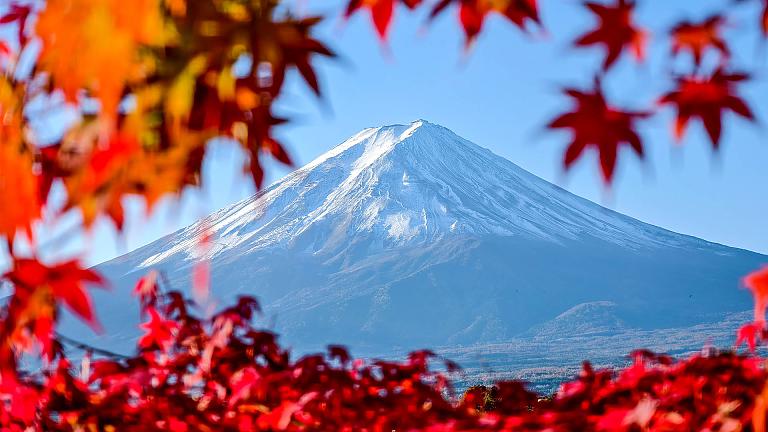
The fall colors around Mt. Fuji add another layer to the scenery around Japan's most iconic landmark. Lake Kawaguchi Maple Corridor is one of the most popular places to enjoy the combination of autumn colors and views of Mt. Fuji. Arrive early, ideally before 9:00 AM for the best visibility. You can take the ropeway for views of Mt. Fuji framed by fall colors, or take a boat cruise on Lake Kawaguchi to fully immerse yourself in the autumn landscape.
Note: If you plan to visit Mt. Fuji as a day trip and continue to Hakone afterward, a private transfer is often the most convenient option. Public transportation requires transfers, and there are only two buses a day that run directly to Hakone.
- Recommended Days: 1 to 2 Days
- Where to Stay: Hakone or around the Fuji Five Lakes
Kyoto: Autumn Foliage with Classic Beauty
Kyoto is undoubtedly Japan's most popular autumn foliage destination. With numerous viewing spots, shrines, and temples, it enables you to enjoy natural beauty and traditional Japanese culture at the same time. We generally recommend 3 days in Kyoto, with each day focused on one area.
| Day | Place | What to Expect |
| Day 1 | Higashiyama & Gion |
|
| Day 2 | Arashiyama |
|
| Day 3 | Fushimi Inari & Tofuku-ji |
|
- Where to Stay: Near Kyoto Station, or in Shijo-dori
Nara: Fall Colors, Deer & Ancient Temples
Renowned as a forest city with extensive green spaces, Nara offers plenty of opportunities to enjoy autumn. For a classic Nara autumn foliage experience, visit Todai-ji, Nara Park, and Kasuga Taisha. These three attractions are within walking distance of one another, making it easy to combine them in a single day.
The contrast between the ancient temples, open parkland, and colorful trees gives Nara a more relaxed atmosphere. You may also see Nara's famous deer wandering through the park.
- Recommended Days: 1 to 2 Days
- Where to Stay: Mt. Yoshino, Nara City
Hokkaido: Early Fall Foliage & Mountain Scenery
If you want to see fall colors while avoiding the crowds of popular destinations, Hokkaido in September and October is worth considering. As Japan's northernmost island, Hokkaido is usually the first place in Japan to turn autumn colors. In the mountains of Daisetsuzan, the season can begin as early as mid-September.
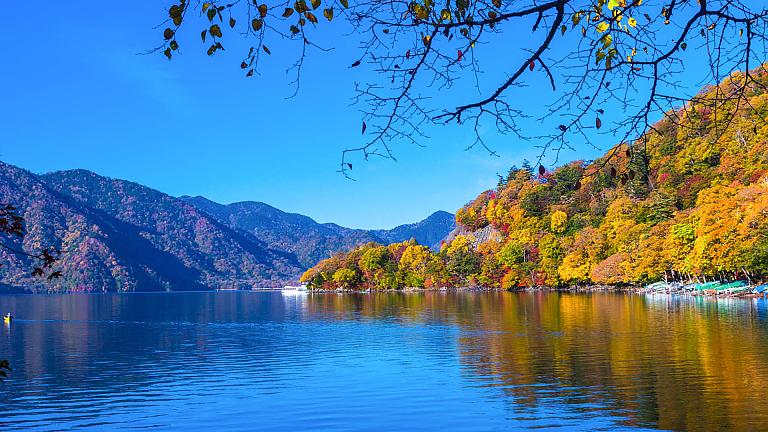
Hokkaido is especially appealing if you enjoy nature and outdoor scenery. You can see autumn colors spread across mountain slopes, forests, lakes, and open countryside. In Daisetsuzan National Park, take the ropeway up Mt. Asahidake and hike around Sugatami Pond, where red and golden foliage contrasts with the rugged volcanic landscape. Around Biei, rolling farmland and distant mountains take on warm autumn tones, while Lake Akan combines forested scenery, clear water, and lakeside views.
The cooler autumn temperatures also make Hokkaido a great time to combine autumn foliage with a hot spring stay. After a day of hiking or sightseeing, you can soak in an onsen surrounded by mountains or forest scenery.
- Recommended Days: 3 to 5 Days
- Where to Stay: Sapporo, Kushiro
How to Build a Japan Autumn Foliage Tour Itinerary
There are two tips for designing a Japan autumn foliage itinerary:
- The route should follow the progression of the fall colors.
- Consider adding cultural experiences to feel authentic Japan along with the beautiful autumn scenery.
Odynovo offers a wide range of activities to choose from, including a traditional tea ceremony and flower arranging. You can also try your hand at making maple leaf-themed wagashi, or wearing a kimono for photos among the red maple trees. Whatever interests you, we can help build these experiences naturally into your itinerary.
Here are some sample routes for your reference. If you have different travel dates, interests, or places you'd like to include, contact us and our travel specialists can help design a fully personalized Japan autumn foliage itinerary around your plans.
10-Day Japan Fall Foliage Highlights Tour
Best for travelers who want to see highlights of fall colors in Japan at a relaxed pace, without frequent hotel changes. This route focuses on three of Japan's most rewarding fall destinations: Tokyo, Mt. Fuji, and Kyoto, giving you enough time to enjoy the autumn scenery, major sights, and local experiences in each destination.
Recommended Tour Itinerary
14-Day Classic Japan Autumn Foliage Tour
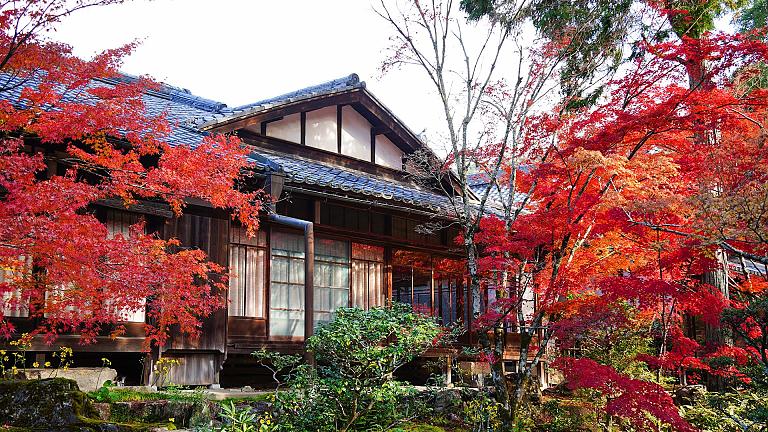
Best for first-time visitors who want to combine Japan's classic highlights with a more varied autumn experience. This gives you a more comprehensive and varied experience of Japan in autumn, from mountain scenery and rural landscapes to temples, gardens, and city life.
Recommended Tour Itinerary
8-Day Japan Fall Foliage Tour: Away from the Crowds
If avoiding crowds is your top priority, consider traveling to Hokkaido in September or October. Daisetsuzan National Park, for example, is known for having some of the earliest autumn colors in Japan, with foliage generally appearing in mid-September.
*If you'd rather keep the classic Tokyo-Kyoto-Osaka experience but avoid the busiest viewing spots, we can also help to build a more relaxed route around lesser-known foliage destinations. Reach out and our travel specialists will recommend quieter alternatives based on your preferences.
Recommended Tour Itinerary
How to Plan Transportation During Japan's Fall Foliage Season
- Between Cities: Take the Shinkansen or limited express train.
- Within Cities: Combine subways, walking, taxis, and private transfers depending on your itinerary.
A private car with a guide is the most comfortable option for travelers who prefer a more convenient and relaxed pace, want to minimize walking, travel with seniors and young children, or in a group of 4-10 people. It also gives you more flexibility to adjust your sightseeing schedule and visit several places in one day without being tied to fixed public transportation schedules.
*However, traffic can be heavy around popular autumn foliage spots, and driving may take longer than taking the train. Try to avoid visiting these areas on weekends and Japanese public holidays. And be sure to book early if you plan to use a private car, as vehicle availability is limited during the peak foliage season.
Public transportation works well for many city sightseeing days and is generally more affordable, but it can become very crowded during peak foliage season. Buses in particular can be extremely busy on popular routes, and at the busiest times, you may even have to wait for the next bus. If your destination is in a remote or mountainous area, services may also be less frequent, so check the timetable in advance.
Taxis can be a convenient option for short trips within cities. You can use apps such as Uber, GO, and DiDi to book a ride, and your hotel front desk can usually help arrange a taxi as well.
Insider Tips:
- If you are taking trains between several cities, consider using Japan's luggage delivery services to send your larger bags directly to your next hotel (usually next-day delivery).
- Pack light. If your luggage has total dimensions of more than 160 cm and up to 250 cm, you may need to reserve a seat with an oversized baggage space, which can be limited during the busiest autumn foliage season.
When Should You Book Your Japan Autumn Foliage Tour
In general, we recommend booking your Japan fall foliage tour at least 6 months in advance.
If you have your heart set on a famous ryokan, especially in a popular destination such as Kyoto, or need rooms that can accommodate a family or larger group, it is better to start planning 9 months or more in advance.
The Fall foliage season is one of Japan's busiest travel periods. In addition to accommodation, famous attractions, seasonal activities, and popular restaurants are also in high demand. If you're planning a 2026 Japan autumn foliage trip, now is the best time to start. Even if your dates or itinerary are not completely settled, you can send an email to Odynovo for professional advice and secure the most important reservations early.
Weather of Japan Autumn Foliage Season
From late October to mid-November, the daytime temperature in Tokyo and Kyoto can still reach 18 to 20℃ (64 to 68℉), but the nighttime temperature drops quickly to about 5 to 8℃ (41 to 46℉). It's warm enough for daytime sightseeing, but be sure to bring a coat for the cool nights.
Kyushu is a little bit warmer, especially Okinawa Island, with an average temperature around 24℃ (75℉). Hokkaido and the northern Tohoku region are dry and chilly, with daytime temperatures about 10℃ (50℉) and freezing nights below 0℃ (32℉).
What to Wear
- T-shirts or lightweight long-sleeve tops
- A sweater or jacket for cool early mornings and evenings
- Light down, gloves, and hat for mountain areas
- Comfortable walking shoes, as autumn foliage sightseeing often involves long walks, stairs, and temple or mountain paths
How to Avoid Crowds during Japan's Fall Foliage Season
- Avoid weekends. Popular fall foliage spots attract both international visitors and local residents, making weekends especially busy during the peak season.
- Avoid the November 21-23 holiday weekend. In 2026, Labor Thanksgiving Day falls on Monday, November 23, creating a three-day holiday weekend when domestic travel and sightseeing increase.
- Visit popular spots early in the morning or later in the day. Even on weekdays, try to arrive between 6:00 and 9:00 a.m. for a quieter experience. Another option is to visit around the time evening illuminations begin, when some daytime crowds have started to thin out.
- Choose less-famous viewing spots. You don't have to visit Japan's most famous temples to enjoy fall foliage. Kyoto alone has around 1,700 temples, and those smaller and lesser-known ones can offer a much quieter experience.
- Consider Hokkaido in October. If avoiding crowds is a priority, traveling to Hokkaido earlier in the season can be another option. Its foliage season starts earlier than in most of Japan, allowing you to see fall colors before the peak crowds reach the country's major autumn destinations.
Related Posts You May Like
-
 Japan in January 2027: Powder Ski Season & Winter Fun
-
Is Japan in February Too Cold or Still Good for Visiting?
-
Japan in March 2027: Weather, Best Places, and Travel Tips
-
Japan in April 2027: How to Travel Smart in the High Season
-
Japan in May 2027: Goldilocks Zone for Outdoors
-
Japan in August 2026: Peak Summer Bustling With Festivals