Best Time to Visit Japan in 2026
When looking for the best time to visit Japan, focus on spring (March to May) and autumn (September to November), when you can enjoy your Japan tour with the best weather conditions. For more best time advice for cherry blossoms, fall foliage, or even the period for your smart journey, check the article below to find out the best time for your trip to Japan.
- Best Time to Visit Japan for Ideal Weather
- Best Time to Visit Japan for Cherry Blossoms
- Best Time to Visit Japan for Autumn Leaves
- Best Time to Visit Japan for Hiking
- Best Time to Visit Japan for Skiing
- Best Time to Visit Japan for Festivals
- Best Time to Visit Japan for Low Crowds & Price
- Month-by-Month Travel Guide to Japan
Best Time to Visit Japan for Ideal Weather
- Spring & autumn bring the most pleasant sightseeing weather in Japan, for both outdoor activities and eye-catching seasonal scenery.
- Summer catches the monsoon & typhoon season in Japan, which is usually hot and humid
- Winter in Japan is chilly and snowy, also not very comfortable for a long time outdoors
Spring: Vivid Warm Days & Cherry Blossom
Spring is always one of the best times to visit Japan. With moderate humidity and occasional light rain, the pleasant, warm weather in spring makes it a comfortable and travel-friendly season ideal for walking and sightseeing.
Early spring (March) can still feel a little bit chilly and slightly unpredictable, but by April, it is the time to hang out with warm days in 15 to 20℃ (59 to 68℉), not to mention the perfect combination with blooming cherry blossoms: refreshing green leaves, vivid sakura blossom, visit Japan in spring is about chasing a fleeting moment.
Note:
- The warm weather in spring also brings hay fever of cedar and cypress, so prepare your mask and antihistamines well during your spring trip in Japan.
- Brief rain showers do occur in late spring, so carrying a compact umbrella with you.
- Northern areas like Hokkaido and Aomori remain cooler well into April, while Kyushu and Okinawa warm up earlier for your season tracing.
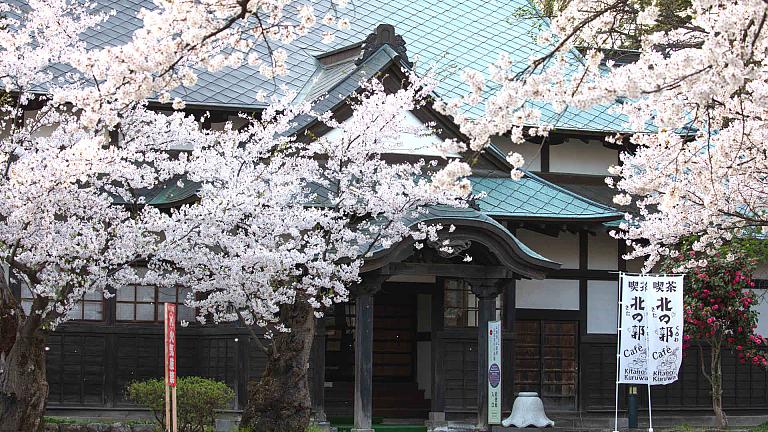
 Cherry Blossoms in Japan
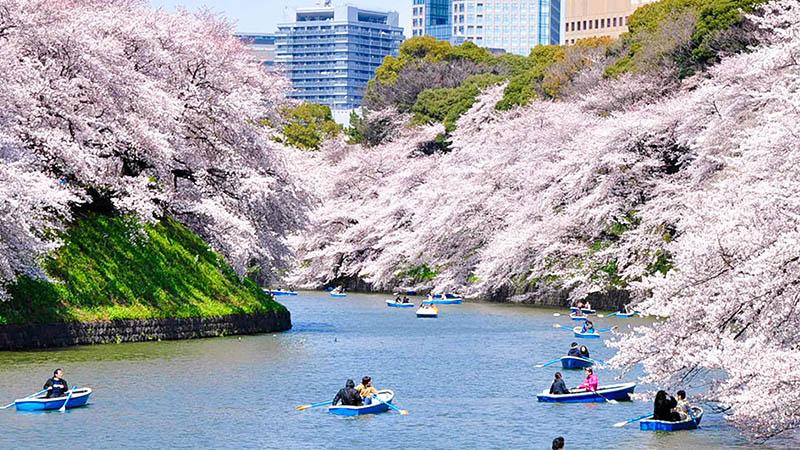 Cherry Blossoms in Japan
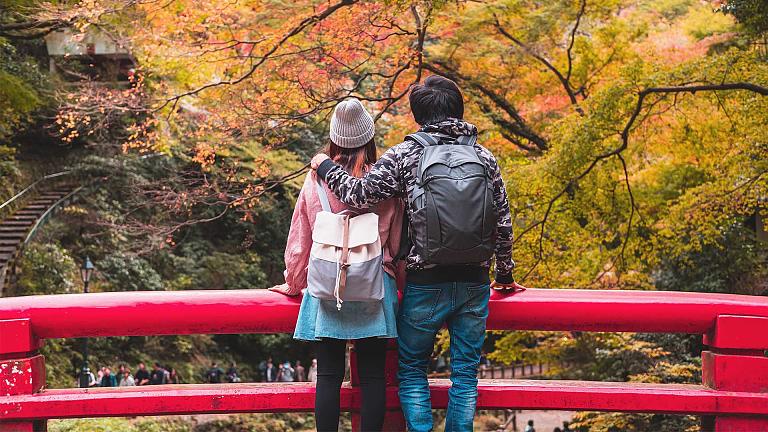
Autumn: Cool Pleasant Season With Fall Foliage
The weather in autumn in Japan is similar to spring, ranging from 16 to 22℃ (61 to 72℉), slightly warmer with lingering summer heat, making it another perfect travel weather, especially for first-time visitors.
You can expect a more stable and crisp weather in autumn, and luckily, with lower humidity and clearer air for your active long-term outdoor enjoyment of this visually striking season of fall foliage under the excellent visibility.
Compared to spring, the crowd and travel prices are also lower in fall. Pick autumn as your departure season if you are looking for the balance between tranquility and weather.
Note:
- Early September can still see the tail end of the typhoon season, bringing occasional heavy rain or wind, but by mid-October, the weather stabilizes significantly.
- The fall foliage season in Japan is quite long, lasting from late September to mid-November. Just enjoy your cozy autumn journey at your own pace.
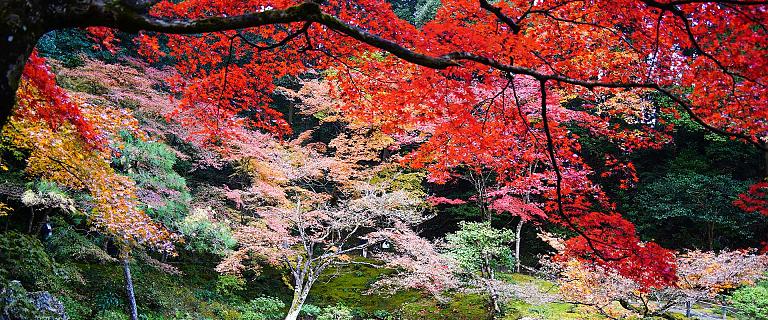
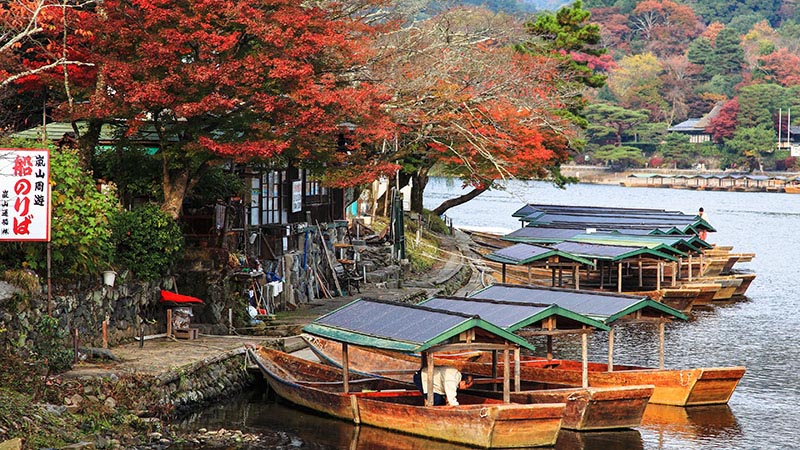 Autumn Leaves in Japan
Spring or Autumn, Which One to Go
| Spring (Mar to May) | Autumn (Sep to Nov) | |
| Highlight | Cherry Blossom | Fall Foliage |
| Crowds | ★★★★★ | ★★★★☆ |
| Cost | ★★★★★ | ★★★★☆ |
| Weather | Mild and variable | Comfortable and cool |
| Humidity | Moderate, occasional showers | Lower humidity, clearer skies |
| Outdoor activities | Good, but crowd-dependent | Excellent (hiking, walking) |
| Planning Flexibility | ★★★☆☆ | ★★★★★ |
Best Time to Visit Japan for Cherry Blossoms
- Peak cherry blossom season: late March to early April
- Best time for early sakura: early February to early March
- Best time for late cherry blossoms: mid-April to early May
Japan's cherry blossom season runs from March to April, and late March to early April is usually the best time for your sakura viewing tour in Japan, when most cherry blossoms in Tokyo, Kyoto, and Osaka are in their full bloom, coinciding with vibrant cherry blossom festivals to enhance your spring experience.
It's the perfect time to soak up the spring atmosphere, complete with dancing, singing, and glimpses of traditional art. Meanwhile, be sure to indulge in seasonal spring delicacies, like sakura-flavored wagashi or cherry blossom pancakes.
For a tranquil environment with fewer crowds to enjoy hanami (cherry blossom viewing), visit Okinawa, Kawazu, or Atami in January and February for early cherry blossoms. Later, head to Hokkaido to capture the late cherry blossoms, which bloom until May.
Recommended Tour Itinerary
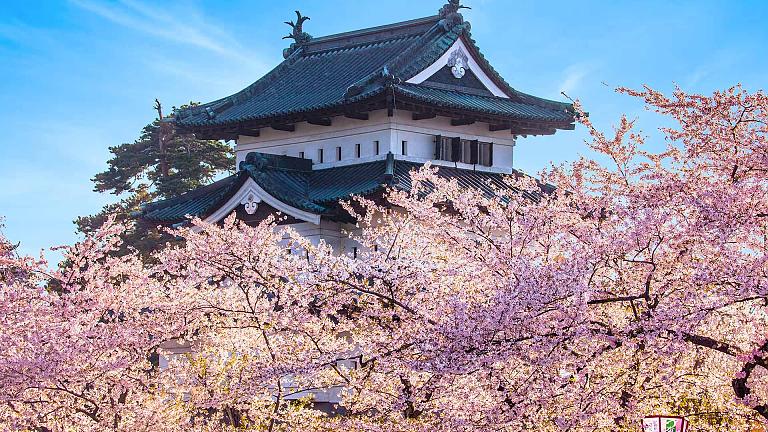
(Late Mar ~ Mid-Apr 2027)
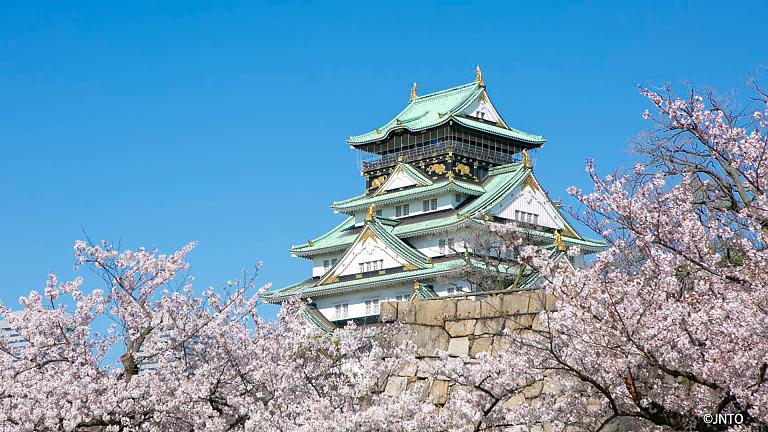
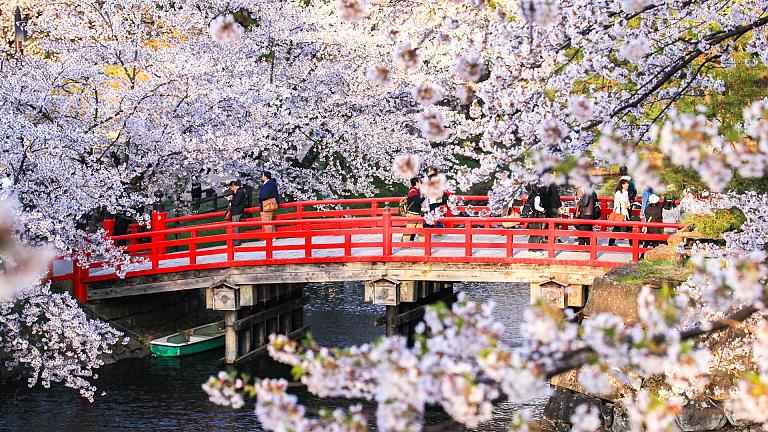
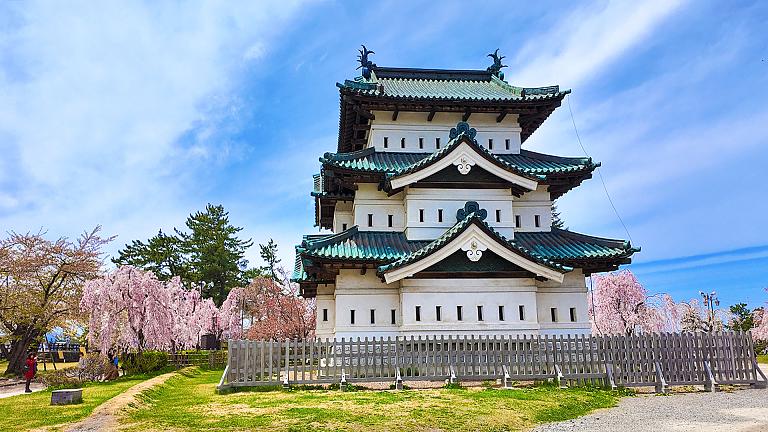
(Late April – Early May)
Best Time to Visit Japan for Autumn Leaves
- Peak fall foliage season: mid-November to Early December
- For early autumn leaves in Hokkaido: late September to mid-October
- Momiji hunting in Tohoku: late October to mid-November
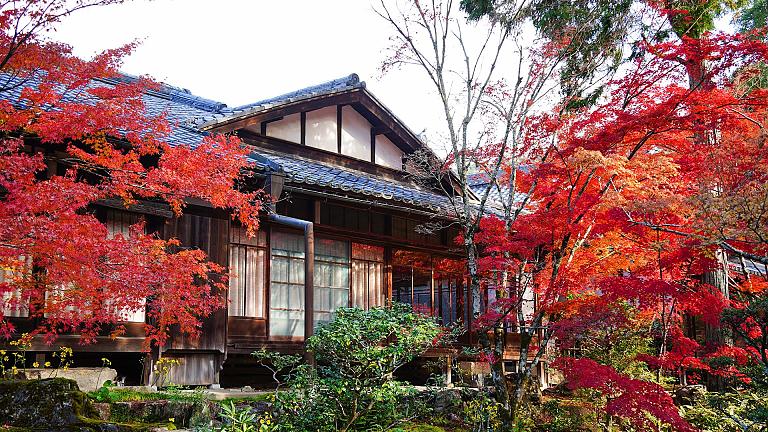
The fall foliage season in Japan is much longer (typically spanning late September to early December), and you can focus on the best window from mid-November to early December, when the central island reaches its most iconic autumn scenery, a perfect match for your Japan Golden Route journey.
Early foliage appears in northern regions such as Hokkaido, often in mountain areas first, then moves into the Tohoku and Alpine regions, offering a vibrant hiking landscape with fewer crowds and cool outdoor temperatures.
While seeking the most classic autumn scenery in Japan, still pick November. And Kyoto, in particular, is one of the most popular destinations to capture the beauty of Japanese-style elegance with ancient temples and shrines dotted with fallen leaves.
Recommended Tour Itinerary
Best Time to Visit Japan for Hiking
- Best overall: October to November (cool, dry, best conditions)
- Also good: April to May (mild, scenic, but limited in high mountains)
- Best for alpine hiking: July to August
- Best time for Mt. Fuji climbing: Early July to Early September
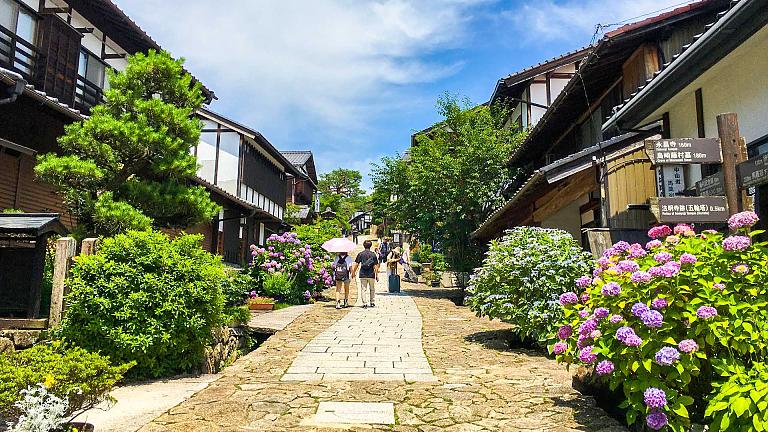
Generally speaking, October to November is the best time for most of Japan's hiking (like Kumano Kodo and Nakasendo), which is comfortable enough for long hiking days without the heat or unpredictability of summer. And late spring, from April to May, is another ideal period, when most of the highlands (Kamikochi, for example) first open their trail after the melting snow.
Summer, the sweaty season for city sightseeing, yet also the safe and accessible season for high alpine hiking like Tateyama Kurobe Alpine Route. While looking for Mt. Fuji climbing, please note that the only official season runs from early July to early September.
Recommended Tour Itinerary
Best Time to Visit Japan for Skiing
- Best time for powdery snow: January to February
- Early ski season: mid-December to early January
- Late ski season: Early March
Japan's ski season generally runs from mid-December to early March, with January to February considered the best time for the most reliable snow quality: snow coverage is at its deepest and most consistent, and you can experience the world-famous light, dry powdery snow in Hokkaido and Nagano.
Skiing is possible in the early season, yet conditions can be less stable when outside Hokkaido. And early March can still offer good skiing in mountain regions; however, snow becomes heavier and wetter when the temperatures begin to rise. Focusing on early morning skiing would be more helpful during these two crowd-free periods.
Recommended Tour Itinerary

Note:
- Holiday periods (late December and early January) can be busy and more expensive due to both domestic and international demand.
- Book your accommodations early, as popular resorts fill up quickly during the best ski period.
- There is no shortage of shops and stores in ski resorts for full-gear rental.
Best Time to Visit Japan for Festivals
Japan is home to vibrant festivals (matsuri) year-round.
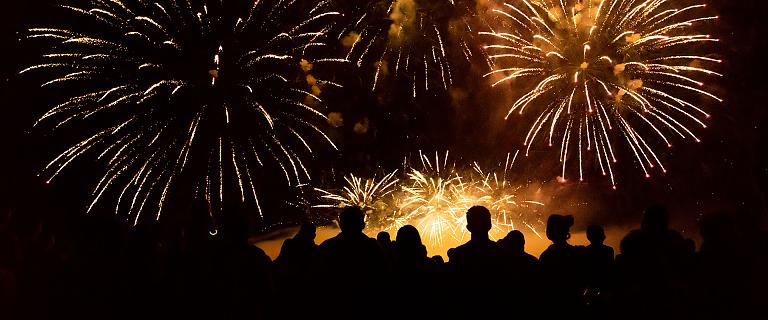
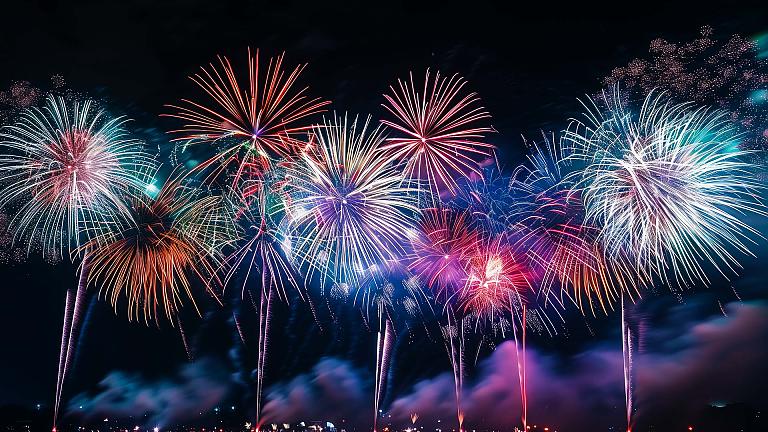
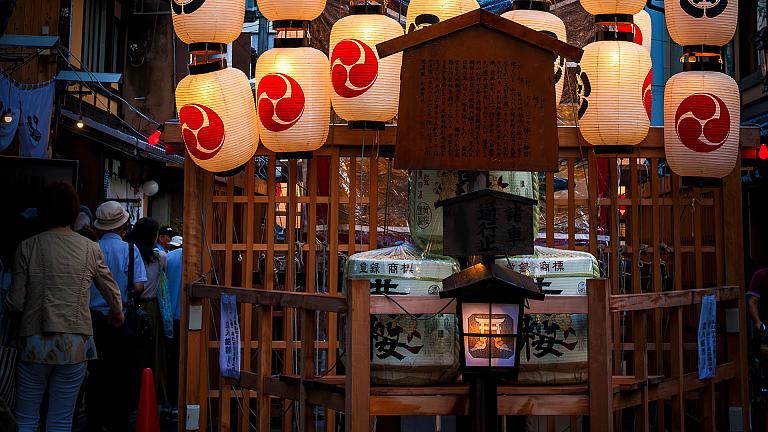
Summer is the peak of lively matsuri, with grand parades and fireworks, including Gion Matsuri in Kyoto, Awa Odori in Tokushima, and the Sumida River Fireworks in Tokyo.
Spring is perfect for cherry blossom festivals like Hirosaki Sakura Matsuri and cultural celebrations such as the Takayama Spring Festival.
Apart from fall foliage festivals, Autumn also brings historical and harvest festivals, like Jidai Matsuri in Kyoto and Nagasaki Kunchi Festival, set against stunning fall foliage.
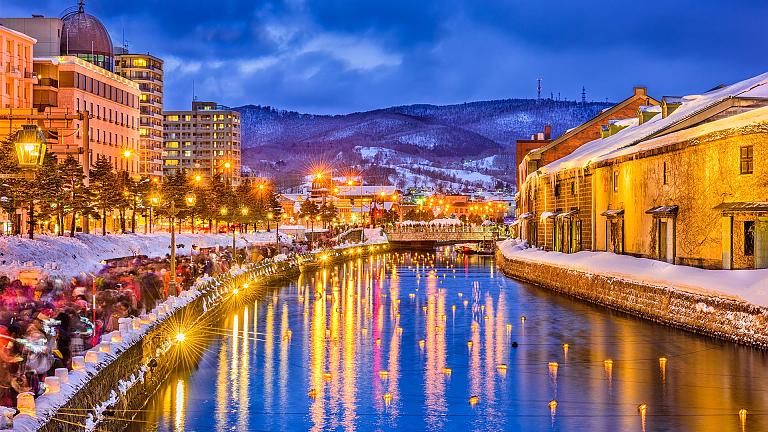
Winter is all about snow festivals and illuminations, with highlights such as the Sapporo Snow Festival and Otaru Snow Light Path Festival.
Recommended Tour Itinerary
(Early – Mid-April)
Best Time to Visit Japan for Low Crowds & Price
- Low tourist season in Japan: January, February, July & August
- Shoulder tourist season in Japan: May, June, September & December
Japan experiences fewer crowds during the low season from January to February and the rainy season from June to mid-July. This allows you to enjoy quieter streets and crowd-free attractions, perfect for capturing ideal souvenir photos; also, flights, accommodations, and attraction tickets tend to be more affordable, apart from early January when the prices may rise slightly during the New Year celebrations.
You can also find relatively lower prices from June to mid-July, despite the higher humidity and temperatures. If your budget allows for a little more flexibility, September and October offer pleasant weather along with reasonable prices, making them highly recommended times to visit.
While the shoulder season is more recommended for your relatively crowd-free Japan journey, especially though slightly more crowded than the low season, yet balance the ideal weather conditions for a more carefree outdoors.
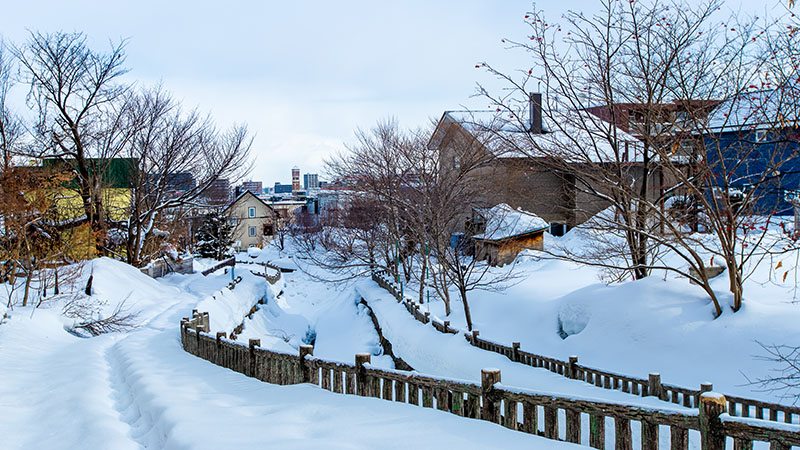 Winter View of Sapporo
Month-by-Month Travel Guide to Japan
Explore our Japan travel guides below for insights on the best experiences, weather, and practical tips for each month. From the unique experiences to the weather conditions each month offers, you'll find detailed guides on where to visit with practical travel tips.
|
Japan Travel by Month
|
||
| January | February | March |
| April | May | June |
| July | August | September |
| October | November | December |
Plan Your Japan Tour With Odynovo
Ready for your trip to Japan? Whether you want to enjoy the cherry blossom in spring, the fireworks in summer, the fall foliage in autumn, or the snow in winter, Odynovo can provide you with a tailor-made travel plan. Just send to [email protected] to get more information. To make sure you enjoy every moment of your trip, we will carefully plan it based on your interests and budget. Contact us right now to arrange your trip to Japan!
Recommended Japan Tours
-
 Japan Luxury Vacation With Okinawa14 DaysTokyo, Kyoto, Taketomi Island (Okinawa), OsakaExplore This Tour
 -
Charming Japan from History to Nature10 DaysTokyo, Mt. Fuji, Kyoto, Kanazawa, ShirakawagoExplore This Tour
-
-
Related Posts You May Like