India in March 2026: Rajasthan's Colorful Cities & Beyond
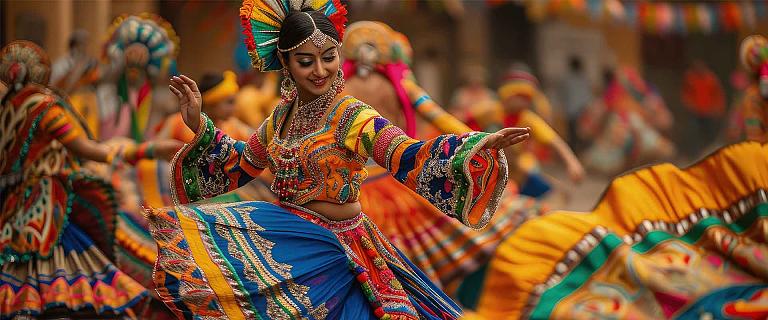
When mentioning India in March, the colorful Holi Festival is the first image that comes to my mind. But 'colorful' in India goes far beyond one festival. For me, this keyword naturally extends to India's iconic colored cities, many of which are best explored in March thanks to the comfortable weather. If you are planning a trip to India at this time, including several of these famous colored cities is a smart way to experience the highlights of Rajasthan in Northern India.
Jaipur - The Pink City
March is one of the best times to visit Jaipur, when the weather is warm but not yet hot. Early mornings are ideal for wandering through the historic Pink City, as the soft sunlight brings out the warm tones of the sandstone buildings.
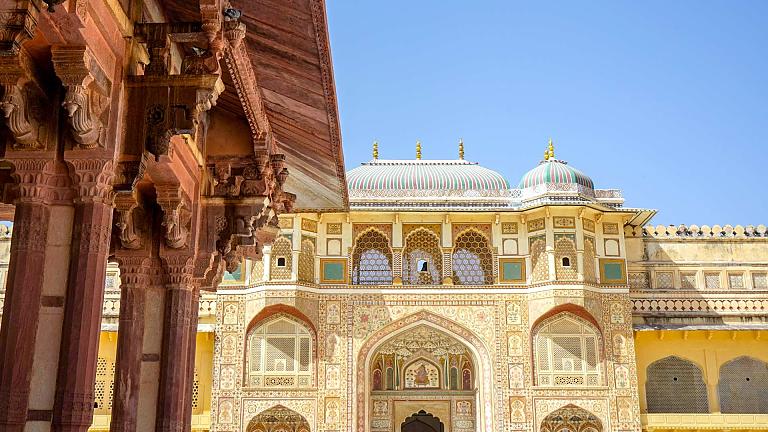
Landmarks such as the City Palace and Hawa Mahal are especially striking at this time. A morning walk through the palace grounds and the nearby bazaars gives a sense of the city's history and daily life. In March, occasional local festivals add lively scenes to the streets.
For photography, the month provides clear skies and gentle light, making it easy to capture the vibrant colors of painted doors, textiles, and busy markets. Walking through the Old City shows both traditional architecture and everyday life.
In the afternoon, sipping a coffee at a café overlooking Hawa Mahal or taking an e-rickshaw driven by a woman offers a relaxed way to enjoy the city’s signature pink façade.
Recommended Tour Itinerary
Jodhpur - The Blue City
Visiting Jodhpur in March is a special experience. The weather is comfortably warm, which makes exploring both the fort and the old city pleasant. From a distance, Mehrangarh Fort rises majestically above the city, a massive structure that immediately captures your attention. Walking inside, the fort reveals hidden corners, courtyards, and even moments of surprise, like an Indian musician quietly playing a traditional instrument.
The old city is where Jodhpur earns its nickname, Blue City. Narrow lanes lined with blue-painted houses create a distinctive atmosphere, and wandering through them allows you to see daily life alongside centuries-old architecture. Local markets nearby offer colorful textiles, spices, and handicrafts, and tasting street snacks or regional specialties gives a sense of the city's culinary identity.
In March, you may also catch small local festivals or temple celebrations, adding extra energy and color to the streets. The combination of the fort's grandeur, the blue streets, and occasional cultural events makes this month particularly rewarding for visitors.
Udaipur - The White City
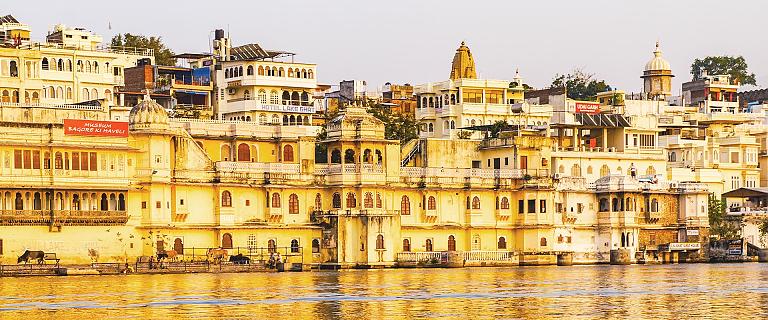
Udaipur is a city of palaces and lakes, and I personally enjoy this city very much, even though it is not as famous as the Golden Triangle destinations.
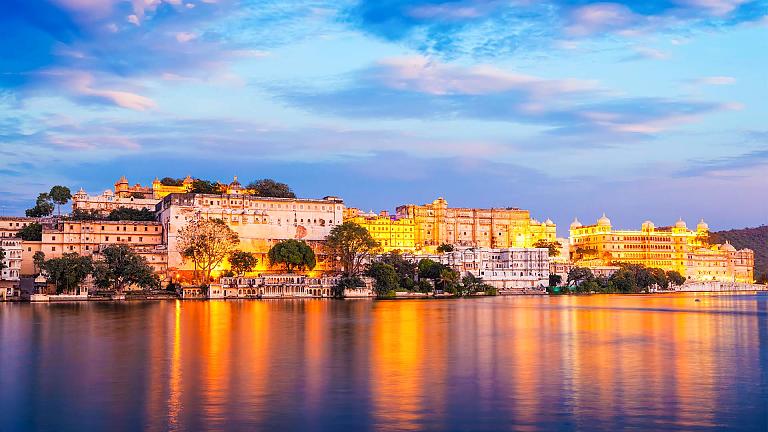
The City Palace is at the heart of Udaipur. Its light-colored façades give the city its nickname, the White City, and walking through its courtyards and galleries brings royal history vividly to life. Not far from the city, the Monsoon Palace sits atop a hill, offering panoramic views of Udaipur, the surrounding lakes, and nearby hills. Its exterior catches the sunlight beautifully and remains a striking sight throughout the day.
Lake Pichola can be enjoyed at any time. In the morning, many birds fly across the water or rest along the shore, while the lake reflects the soft tones of the palaces. At sunset, the lakeside becomes calm and peaceful, and later the lights along the lakefront create a quiet, enchanting night scene.
March is a comfortable time to enjoy cultural performances. Traditional dance or music shows in the palace courtyards or local venues can be experienced without the heat that makes summer visits less pleasant.
Recommended Tour Itinerary
Jaisalmer - The Golden City
When people talk about Jaisalmer, the desert always comes first, and for good reason. The city sits deep in the Thar Desert, and March is one of the most comfortable months to truly explore it. You can spend time on the sand without the intense heat of late spring, whether you are walking across the dunes or simply taking in the vast, open landscape.
What makes Jaisalmer special is that the desert is not separate from the city. Jaisalmer Fort rises directly from the desert, with homes, shops, and temples still operating inside its walls. Visiting the fort feels less like ticking off a landmark and more like stepping into a living settlement shaped by the desert around it. The villages in Jaisalmer are also worth visiting, where you can observe local life, or even spot some wildlife.
If photography is part of your plan, clothing choice matters here. Against the golden sandstone and pale desert tones, bright colors stand out beautifully. Flowing fabrics in red, blue, or yellow tend to photograph especially well, bringing contrast and movement to portraits taken in the fort or on the dunes. Based on my on-site experience, traditional Indian attire consistently delivers the strongest visual results in this setting.
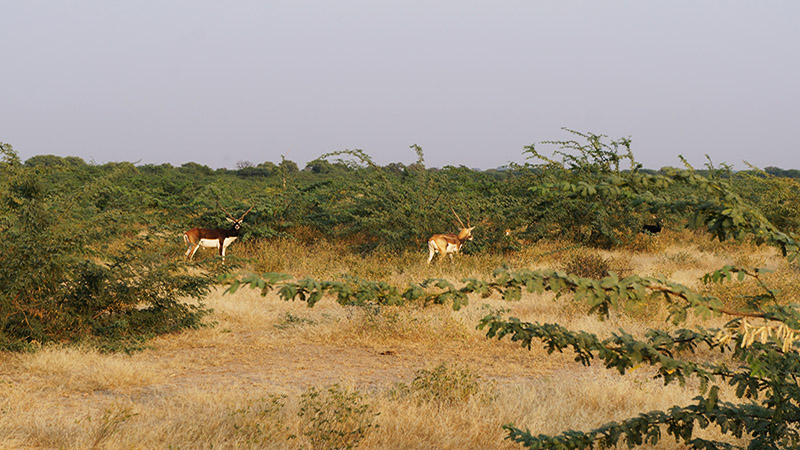 Bishnoi Village in Jaisalmer
Where to Go in March Beyond Rajasthan
Varanasi
Varanasi in March offers clear early mornings, with little remaining winter fog. This makes sunrise on the Ganges River especially powerful, as the ghats, boats, and riverside rituals emerge clearly in the soft lights.
Evenings are another highlight. Nights in March are generally cool and dry, making outdoor viewing of the Ganga Aarti especially comfortable. After sunset, it is easy to stay by the river and take in the ceremony, as lamps, chants, and shimmering reflections come together along the ghats.
Kovalam
For a slower pace in March, Kovalam is a natural choice. This coastal destination is known for its relaxed beach atmosphere, especially at Lighthouse Beach and Hawah Beach, where palm trees, fishermen, and open views of the Arabian Sea define the scenery.
In March, you will experience warm but comfortable temperatures in Kovalam, with calm sea conditions suitable for swimming. Coastal walks are relaxed rather than exhausting, and it is easy to slow down and enjoy a few unhurried days by the ocean before the hotter months arrive.
Periyar
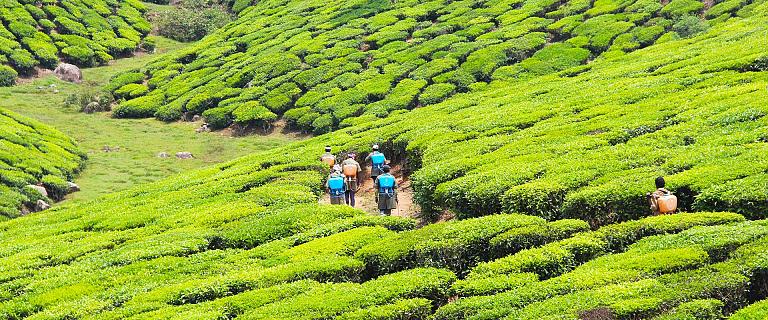
Nature lovers visiting India in March may also consider Periyar. Centered around Periyar Lake, the wildlife sanctuary offers a quieter contrast to busy cities.
March falls within the dry season, when vegetation is thinner and animals are more active around water sources. This increases the chances of wildlife sightings during boat rides or guided walks, while the mild climate keeps outdoor exploration comfortable.
Recommended Tour Itinerary
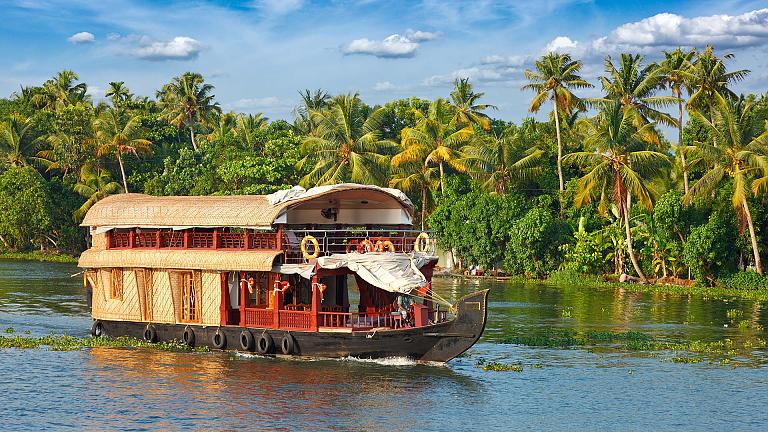
India Weather in March
In March, most parts of India experience warm and dry conditions. Temperatures are comfortable for travel, with little rainfall and good visibility, making it a practical month for sightseeing, photography, and outdoor cultural activities.
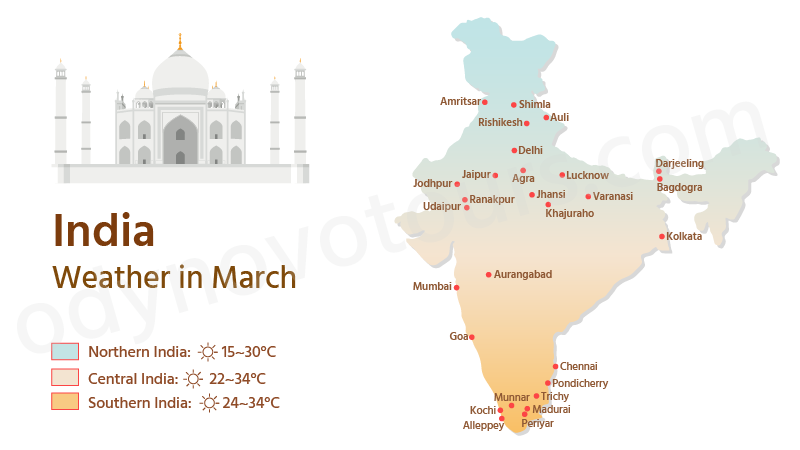 Map of India Weather in March
India Holi Festival in March
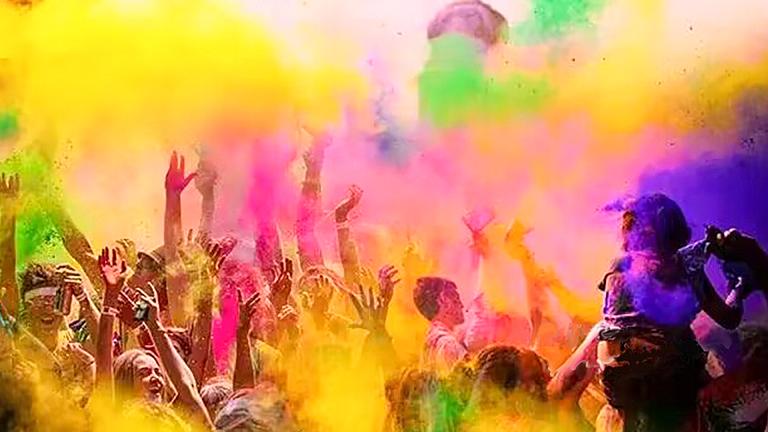
Holi is India's vibrant spring festival of colors, marking the arrival of the season. People smear and throw bright powdered gulal in the streets, dance, and sing, creating a playful and immersive atmosphere full of energy and laughter. To enjoy it safely, wear old clothes you don't mind staining, protect your eyes and electronics, and be ready to join the celebrations while respecting local customs.
Recommended Tour Itinerary
Costs & Crowds
In March, traveling in India feels like a balance between lively celebrations and manageable crowds.
Costs in March
Costs are slightly higher than in the shoulder season, mainly because of the Holi Festival and the generally pleasant weather. Accommodation and transport in Northern India, like Jaipur or Udaipur, can spike around Holi, so booking in advance feels wise, while other regions remain moderately priced. If you book a private tour with a 4-star hotel and private guides and drivers, the daily cost is roughly 230-260 USD per person.
Crowds in March
Crowds vary depending on the location. Holi draws dense crowds in festival centers, creating vibrant but busy scenes. Outside these hotspots, from the beaches of Kerala to wildlife sanctuaries like Periyar, you can enjoy quieter mornings and evenings, making exploration and photography more relaxed.
Recommended India Rajasthan Tour in March
| Day | Highlights | Place |
| 1 - 2 | Jama Masjid, Qutub Minar, Humayun's Tomb | Delhi |
| 3 - 4 | Taj Mahal, Agra Fort, Local Family Visit With Indian Cooking | Agra |
| 5 - 6 | Hawa Mahal, Amber Fort | Jaipur |
| 7 | Pushkar Lake, Brahma Temple | Pushkar |
| 8 - 9 | Mehrangarh Fort, Jaswant Thada, Jeep Safari to Bishnoi Village | Jodhpur |
| 10 - 11 | Ranakpur Temple, Lake Pichola Boat Ride, Udaipur City Palace, Sajjan Garh Palace | Udaipur |
| 12 | Departure | Delhi |
Spending twelve days in March exploring India's must-see Golden Triangle and Rajasthan is a highly rewarding choice. Starting from Delhi, you won't miss any of the highlights. From the Taj Mahal and Jaipur's Hawa Mahal to Jodhpur's blue old town and Udaipur's iconic Lake Pichola, this journey promises unforgettable experiences at every stop. This 12-day Classic Rajasthan Tour is one of the most popular choices among Odynovo customers traveling to India in March.
Odynovo specializes in private and tailor-made tours. Simply send us an inquiry if you would like a bespoke itinerary, and we will handle the rest.
Recommended Tours
-
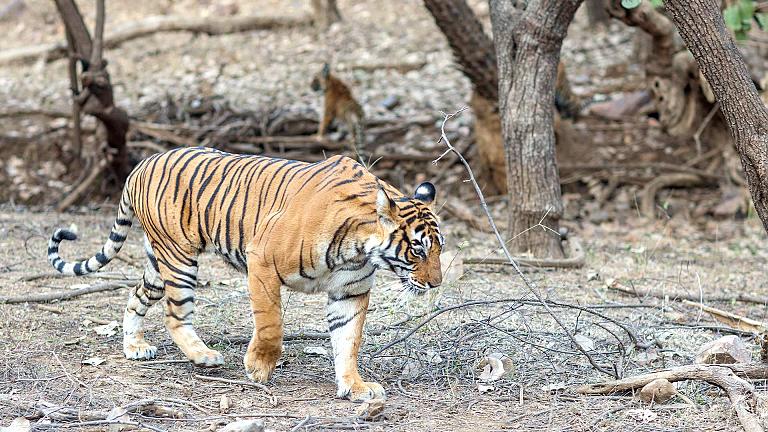
 Essential India With Tiger Safari14 DaysDelhi, Agra, Ranthambore, Jaipur, Pushkar, Jodhpur, Ranakpur, UdaipurExplore This Tour
 -
-
-
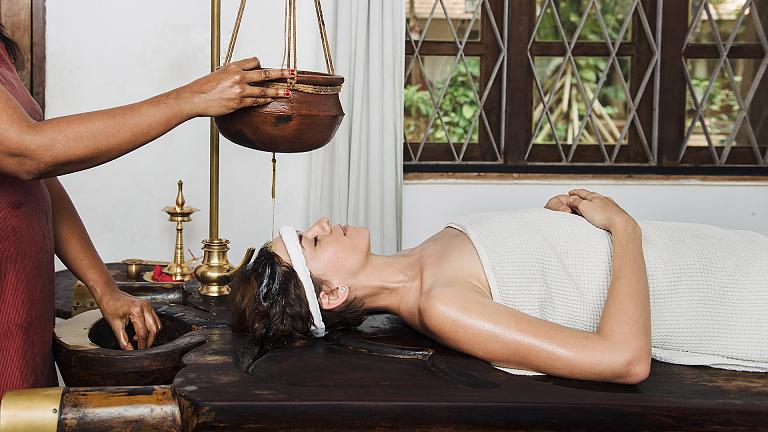
Kerala Wellness Escape: Ayurveda & Backwaters12 DaysKochi, Kumarakom, Marari BeachExplore This Tour
Related Posts You May Like
-
Top 10 Festivals in India 2026 & 2027: Diwali, Holi, etc
-
How to Plan a Trip to India and Nepal 2026: Best Time & Itinerary
-
Guide to Top 12 Goa Beaches in India
-
How to Plan a Senior-Friendly Trip to India: Best Places & Tips
-
India in January 2027: Best Time to Visit for First-Timers
-
India in February 2027: Perfect Weather, Ideal Value