Japan in January 2027: Powder Ski Season & Winter Fun
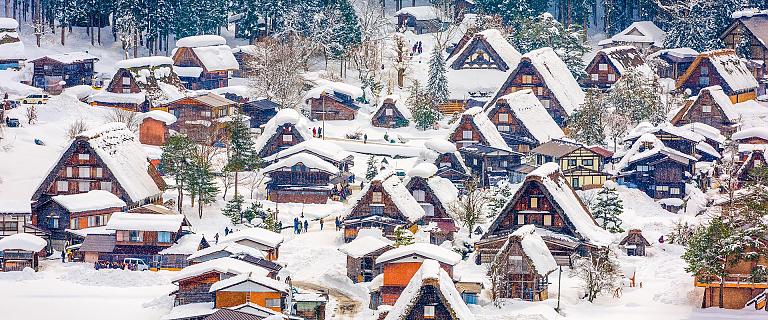
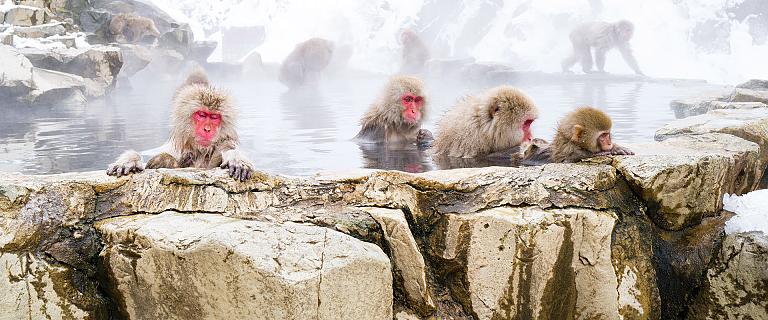
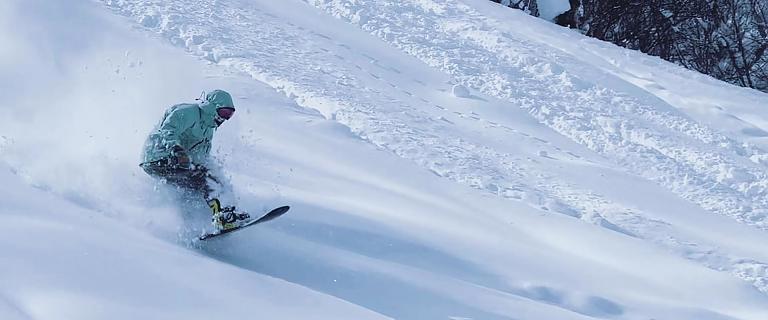
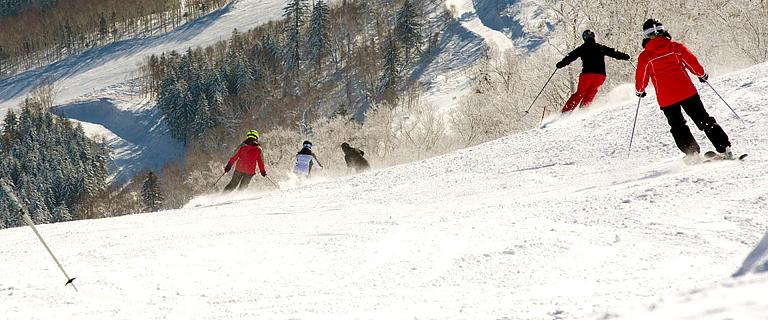
January in Japan starts the powder skiing season, when snow is more frequent and stable, ideal to jump into a ski-in and ski-out resort paired with rejuvenating hot springs to begin your cozy winter Japan tour. Capture snow monkeys bathing in an onsen, or join the lively locals praying for New Year's good luck. For a more full winter experience and the best ways to spend this snowiest month, below is your complete January guide to explore Japan.
Japan's Weather in January
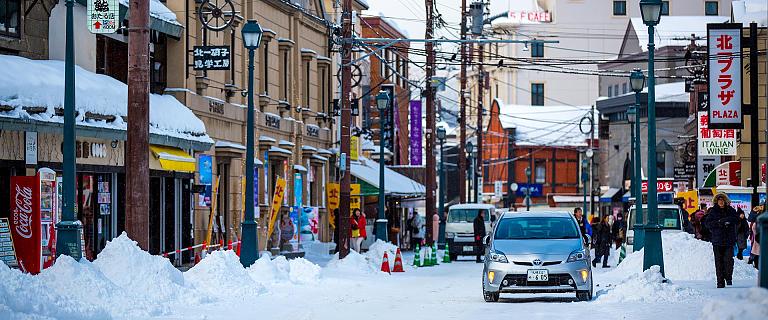
January is cold in Japan. It is deep winter, usually considered one of the coldest months in Japan (with daily highs hovering around 8℃, 46℉) and one of the driest. There will be stable sunshine for your sightseeing: most destinations, like Tokyo and Kyoto, feature crisp, clear, and dry weather, with more snowfall to catch the snow-covered landscapes.
| Temperature in January | |
| Hokkaido | -7 to 0℃ (19 to 32℉) |
| Tokyo & Kyoto | 2 to 8℃ (36 to 46℉) |
| Osaka & Kyushu | 3 to 9℃ (37 to 48℉) |
| Okinawa | 12 to 19℃ (54 to 66℉) |
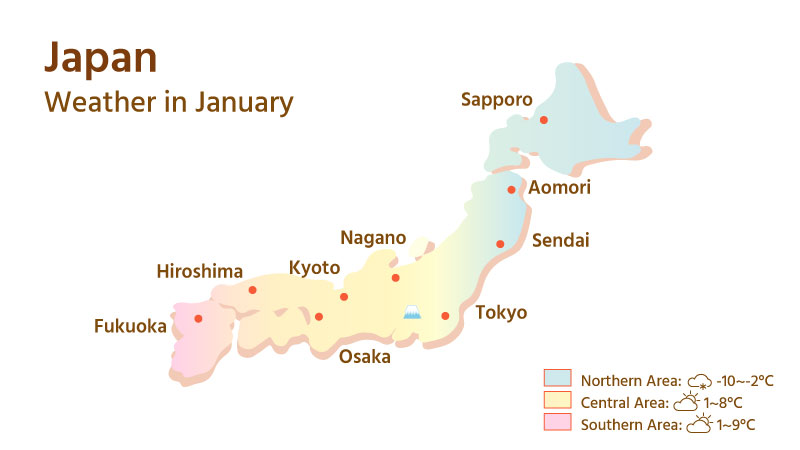 Japan Weather in January
- The January weather in Tokyo, Kyoto, Osaka, and Kyushu is quite similar, yet it usually feels like below 0℃ (32℉) after snowfalls.
- Sunset comes earlier in January in Japan (around 5 pm), so make your afternoon sightseeing earlier to catch the mild sunshine.
- Southern Japan in January maintains its relatively milder winter, and you can even capture early cherry blossoms in Okinawa.
- You can expect more snowfall in northern Japan and mountainous areas around Nagano, for more immersive skiing and hot spring experiences.
How Cold Is Japan in January
Although January is Japan's coldest month, daytime sightseeing in Tokyo, Kyoto, and Osaka is often quite comfortable under sunny skies, with temperatures typically feeling closer to 10 to 15℃ (50 to 59℉) in the sun.
Temperatures in major sightseeing cities in central Japan typically range from 0 to 10℃ (32 to 50℉), but many travelers find daytime sightseeing more pleasant than those numbers imply, thanks to the relatively dry and sunny winter weather.
The story changes once you stay in the shade or head into Japan's mountains and ski regions. Temperatures frequently remain below freezing in popular Niseko and Hakuba. Combined with mountain winds, elevation, and deep snow cover, the perceived temperature can feel much colder (about 3 to 5℃, 37 to 41℉ lower) than the forecast indicates.
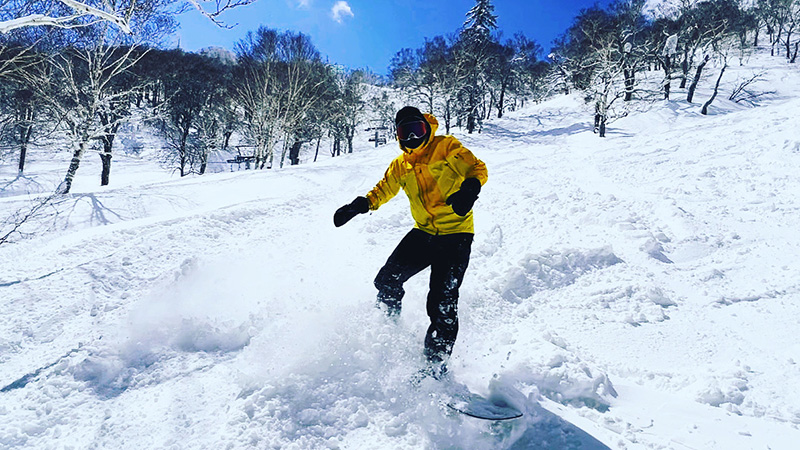 Ski in Japan
What to Pack in Japan in January
A winter coat paired with layers is usually sufficient for major cities: a sweater or fleece worn over a long-sleeve shirt allows you to adjust easily as temperatures change throughout the day. Since trains, department stores, and restaurants are typically well-heated, layering is often more practical than wearing one extremely heavy jacket.
If your itinerary includes snowy destinations such as Sapporo, Niseko, or Hakuba, waterproof outerwear, insulated boots, thermal base layers, hats, and proper winter gloves become essential rather than optional. All in all, warm yourself up in a traditional hot spring at the end of the day.
A few items useful in Japan in January:
- A scarf or mask, especially for mornings and evenings
- Gloves for early starts and nighttime sightseeing
- Warm socks and heat packs for long days on your feet
- Power Banks for your quick drop phone battery in freezing temperatures
- Anti-fog cloth or defogger for glasses and lenses during frequent going in and out
- Lip balm, hand cream, and moisturizer to deal with the surprisingly dry
Is January a Good Time to Visit Japan
For most first-time visitors, January is not usually an easy time to visit Japan.
January brings colder temperatures, shorter daylight hours, and outdoor sightseeing requires a bit more preparation. While looking for a full winter scenery with powder skiing and great hot spring experiences, January can be one of the top choices for your winter trip to Japan.
Simply speaking, January is one of the best months for winter lovers, but not ideal for every traveler, especially those looking for mild weather or classic sightseeing. Spring and autumn are generally more appealing choices.
Who Should Visit Japan in January
| Traveler Type | Suitability |
| Snow & Ski lover | ★★★★★ |
| Photographer for winter landscapes | ★★★★☆ |
| Looking for luxury ryokan & onsen | ★★★★☆ |
| Quite seeker at a relaxed pace | ★★★☆☆ |
| First-time Japan visitor | ★★★☆☆ |
| Family with young kids | ★★★☆☆ |
| Senior visitors | ★★☆☆☆ |
Why January is the Best Month for Ski Lovers
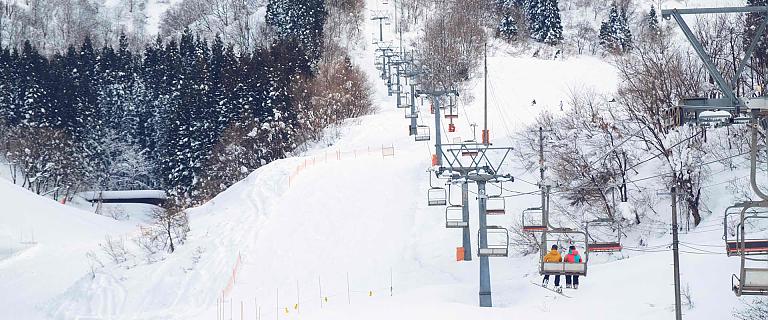
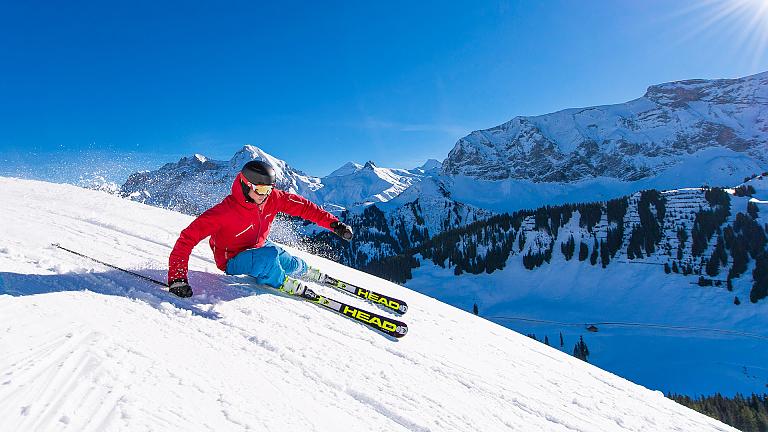
Japan's January snow is widely regarded as some of the lightest, driest powder of the winter season. It is the true powder season rather than the peak ski season.
In January, the air and snowpack are colder and more stable than in later months, producing low-moisture, champagne-like powder that offers excellent float and soft landings, especially in Hokkaido and the Japanese Alps.
Compared with December, January usually has a deeper, more consistent base and more frequent fresh snow. And versus February and March, when temperatures tend to rise slightly, and snow can become heavier or more compressed from repeated grooming and skier traffic.
January's snow conditions are often preferred for deep powder runs, tree skiing, and off-piste play, making it a top choice for powder lovers seeking the quintessential Japow experience.
Recommended Tour Itinerary
Cost & Crowd
Is Japan Expensive in January
Not entirely. January is an off-peak season for traveling to most of Japan. After the New Year holiday period in early January, hotel rooms and tickets are easier to book at reasonable prices, even at luxury hotels in popular cities like Tokyo and Kyoto. And it is possible to enjoy your Okinawa holiday with direct flights and an excellent ocean view room at a more affordable price.
While travel costs to popular ski resorts in Hokkaido or along the Japanese Alps (Nagano and Niigata) can be much higher during this peak ski season. It is recommended to book early for more comfortable prices.
When is January the Most Crowded
The busiest time in January is the Japanese New Year (Shogatsu), typically from January 1 to 3. If you are not that interested in this cultural ritual, it is totally okay to skip this special period.
Millions of locals travel to visit family, make their first shrine visit of the year (hatsumode), or take short domestic vacations. Popular shrines, temples, and transportation hubs can be extremely crowded, while some smaller attractions, restaurants, and shops may close for part of the holiday.
Best Places to Travel in January
For Snow & Skiing
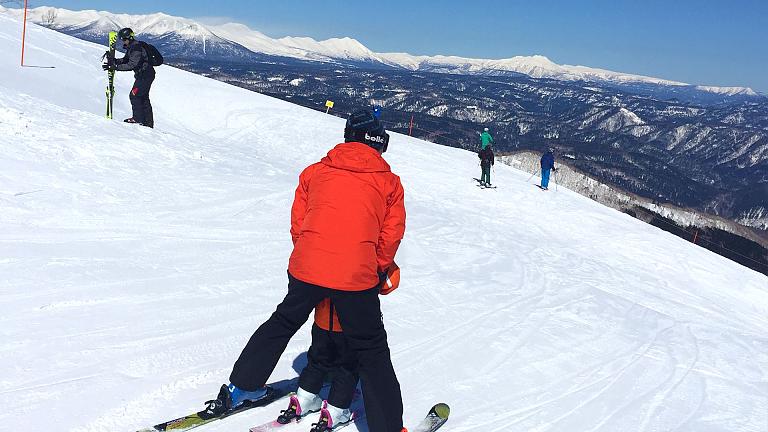
- Hokkaido: January is the time when the island receives some of the lightest and driest powder snow in the world. Consistent snowfall keeps slopes in excellent soft and fluffy conditions, while off-piste areas often offer the deep powder experiences that attract skiers and snowboarders from around the globe.
- Nagano: With a wide variety of ski resorts, Nagano's snow is generally a little less deep but still excellent in January; however, its accessibility makes it easy to combine a few days on the slopes with sightseeing in Tokyo, Kyoto, snow monkeys, or other classic destinations.
Recommended Tour Itinerary
For Mild Winter Weather
- Okinawa: Offers the mildest weather in Japan in January. Though Okinawa is still too cool for swimming, it is totally ideal to enjoy island-hopping, coastal walking, and whale watching without a heavy winter coat. If possible, the late January visit is more recommended, as it overlaps the cherry blossom season in Okinawa.
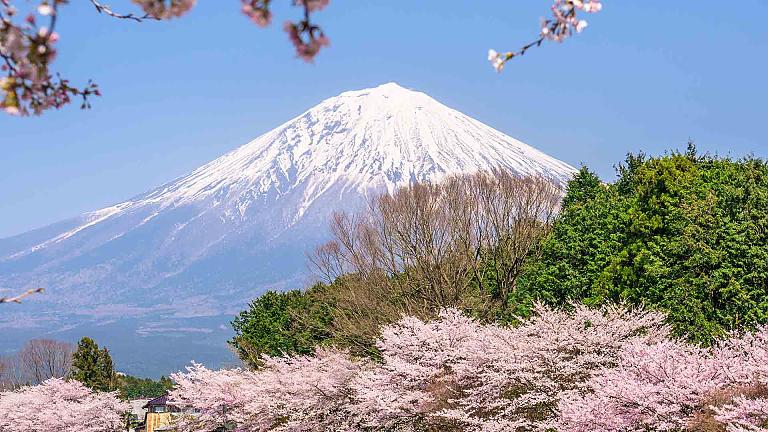
- Izu Peninsula: Another ideal winter seaside escape with milder temperatures, but closer to Tokyo. January's clear skies also bring excellent views of Mount Fuji from Izu, perfect for a scenic driving tour through its rugged coastline while soaking in natural hot springs.
- Kagoshima: Appeals to travelers who prefer the wilder side of Japan. Located in southern Kyushu, you can enjoy a little more sunshine in Kagoshima, allowing for an enjoyable adventure into locals' daily life, volcanic landscapes, and the active volcano of Sakurajima steaming in the distance.
For Convenience Going in & out
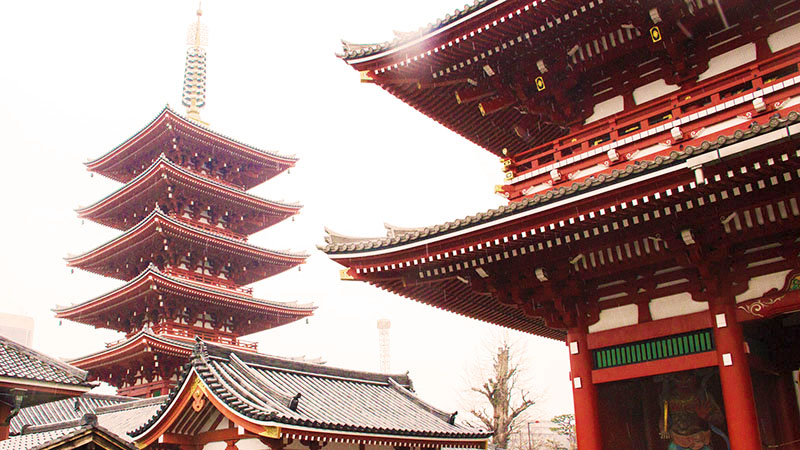
- Tokyo: The clear blue skies and dry weather make popular Asakusa, Shibuya, and Harajuku exploration still comfortable, and you can quickly warm up in a museum, department store, observation deck, café, or food hall. If possible, take the chance to visit the main building of the Imperial Palace, open to the public on January 2.
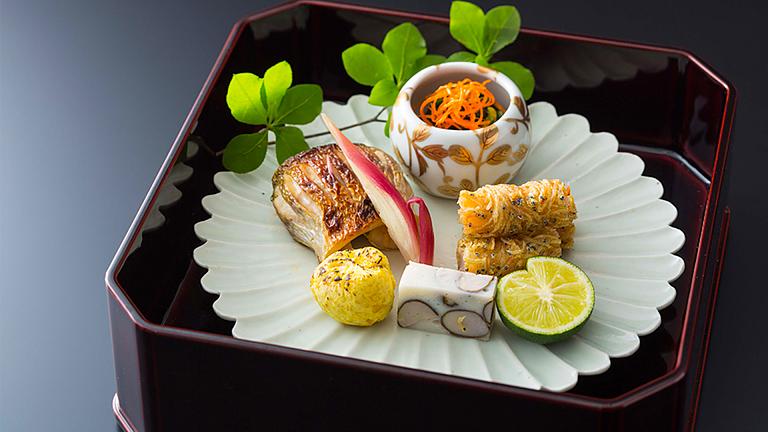
- Kyoto: Ideal for capturing iconic Japanese-style winter images. It is easy to capture Fushimi Inari Taisha's red torii gates and shrines, adorned with a blanket of snow, then step inside the world of samurai and ninja, visit traditional tea houses for a warm drink, or drop by an authentic Kaiseki restaurant for refreshing seasonal dishes.
 Tokyo Senso-ji
Events & Festivals
Japanese New Year
In January, known as Shougatsu in Japanese, there are numerous activities to celebrate the New Year. This typically three-day holiday starts on January 1st. Alongside the Hatsumode tradition, you can also join the local customs, such as indulging in osechi cuisine and savoring rice cakes like mochi. Or partake in traditional games like Japanese badminton, kite flying, and card games featuring Japanese poetry.
Sanjusangendo Archery Content
Also known as Toh-Shiya, the first Japanese archery competition of the year, falls on 16th January, very close to the Coming of Age Day. On this day, many archers, along with 20-year-old men and women, take part in the archery competition at Sanjusangen-do Temple in Kyoto. Here you can not only admire the temple with its thousands of wooden statues but also witness the impressive archery skills of the competitors, all dressed in elegant clothes.
Lake Shikotsu Ice Festival
Slightly preceding the Sapporo Snow Festival, it is an ice festival that takes place around Lake Shikotsu. This vibrant event features a colorful ice museum illuminated with lights and adorned with diverse statues. Visitors can indulge in a range of winter sports, from skiing to ice fishing, and also relax in nearby hot springs.
Japan Travel Tips in January
Prepare Clothes That Are Easy to Remove
When traveling to Japan in January, staying warm is essential. However, it's wise to wear layers that are easy to remove because indoor heating can make you feel hot if you have too many clothes on, which may be more common when visiting Honshu.
Find Your Own Way to Enjoy the New Year's Atmosphere
As the start of the New Year, Hatsumode can be one of the most popular events during your January visit to Japan, with most temples and shrines packed with visitors from all over the world. You can get up early to join in the festivities with the locals on New Year's Day. Or visit the shrine before the holiday, when the crowds are smaller, but you can still soak up the festive atmosphere.
Secure Your Ski Resort As Early As Possible
While January may not be the peak travel season in Japan, it certainly is for skiing. The pristine quality of the snow draws countless visitors, both locals and international travelers, eager for an exhilarating winter getaway. While there are numerous ski resorts to choose from, it's wise to book your accommodations well in advance to ensure you don't miss out on this thrilling winter sports experience.
Journey to Japan With Odynovo
Traveling to Japan in January is a great time to take advantage of the hot springs and mountain landscapes, making the cooler temperatures and snow the best match to enhance your winter holiday. From excellent ski resorts to various festivals to celebrate the new year, there is much to enjoy during this mid-winter. Let Odynovo know your needs and preferences to have a carefree January holiday experience just for you.
Recommended Japan Tours
-
 Japan Winter Tour With Onsens and Snow Monkeys12 DaysTokyo, Nagano, Kanazawa, Shirakawago, Kyoto, OsakaExplore This Tour
 -
-
Highlights of Japan: Kyoto, Tokyo & Hiroshima10 DaysOsaka, Hiroshima, Miyajima, Kyoto, Tokyo, Mt. FujiExplore This Tour
-
Related Posts You May Like