Morocco in November: Why It Is the Most Underrated Month
November is one of the best-value months you can find on the calendar for a Morocco tour. The comfortable autumn weather continues across the country. The peak October crowds have thinned out, and the holiday rush of December hasn't arrived yet. Prices have also come down from their autumn highs. Evenings are cooler, but with a bit of preparation, it's easy to manage.
Weather in Morocco in November
Is Morocco Cold in November?
No, Morocco's weather is still mild in November. In most places, daytime temperatures remain pleasantly warm. In cities like Marrakech, Casablanca, and Agadir, daytime highs typically range from 20 to 24°C (68-75°F), almost perfect for sightseeing. Evenings get cool, with temperatures dropping to around 10°C (50°F), but it's not winter chill yet. For a more comfortable stay, we recommend checking whether your accommodation has heating when you book (many traditional riads don't).
The Atlas Mountains can be much cooler because of the elevation. In Imlil, daytime temperatures reach around 18°C (64°F), but nights can fall to around 4°C (39°F). Higher up around Mount Toubkal, snow may already be present, and nighttime temperatures can drop to around 0°C (32°F) or below.
What to Pack
- T-shirts and lightweight long-sleeved tops for the day.
- Jacket, sweater, or fleece for cooler evenings and early mornings.
- A lightweight down jacket if you're heading into the high-altitude Atlas Mountains.
- Sun protection. UV levels can still be strong in November, especially on clear days.
Is Morocco Rainy in November?
The south still enjoys plenty of sunshine in November. Marrakech, for example, typically sees only 3 to 4 rainy days during the month, and showers are often brief.
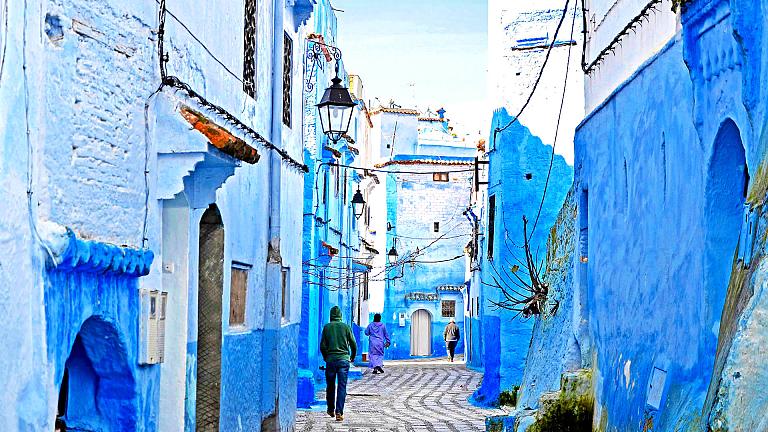
Fez and the northern cities like Chefchaouen and Tangier enter a wetter season, seeing 6 to 9 rainy days during November. Based on our experience, we recommend building a more flexible itinerary. Allow an extra day or two, and pack a rain jacket or umbrella, as well as waterproof, slip-resistant shoes.
To skip all the hassle and stress, just leave everything to us. With Odynovo, your itinerary can be adjusted whenever conditions change, while private transportation makes it easy to travel between activities. Our experienced local guides can also arrange alternative indoor activities when rain affects your plans, helping you keep each day comfortable and engaging.
Quick Look at the Weather of Popular Destinations
| Destinations | Daytime High | Nighttime Low | Rainy Days |
| Marrakech | 23°C (73°F) | 11°C (52°F) | 3-4 |
| Fez | 20°C (68°F) | 8°C (46°F) | 7-8 |
| Sahara Desert | 25°C (77°F) | 10°C (50°F) | 0-1 |
| Casablanca | 21°C (70°F) | 13°C (55°F) | 6-7 |
| Chefchaouen | 21°C (70°F) | 13°C (55°F) | 8-9 |
| Agadir | 24°C (75°F) | 13°C (55°F) | 4-5 |
Why is November the Best-Value Month?
The answer is simple: mild weather plus moderate crowds and cost.
The best weather of the year often comes with bigger crowds and higher prices, but November offers a sweet spot: daytime weather remains pleasant, while the peak crowds of October have eased and the Christmas and New Year rush has yet to arrive. As a shoulder-season month, November gives you a more relaxed experience at many of Morocco's most popular destinations.
In the medinas, you'll generally encounter fewer visitors and have more opportunities to experience everyday local life. Shopkeepers have more time to chat, and you're more likely to have genuine conversations rather than simply moving through crowded tourist areas.
Prices are another major advantage. Riads in Marrakech, desert camps in the Sahara, and beach hotels in Agadir can be around 25-30% less expensive than during peak periods, and easier to book. That means you can often get more for your budget and have an easier time finding the accommodation and room type you want.
Recommended Tour Itinerary
Where to Go in Morocco in November?
The Sahara Desert
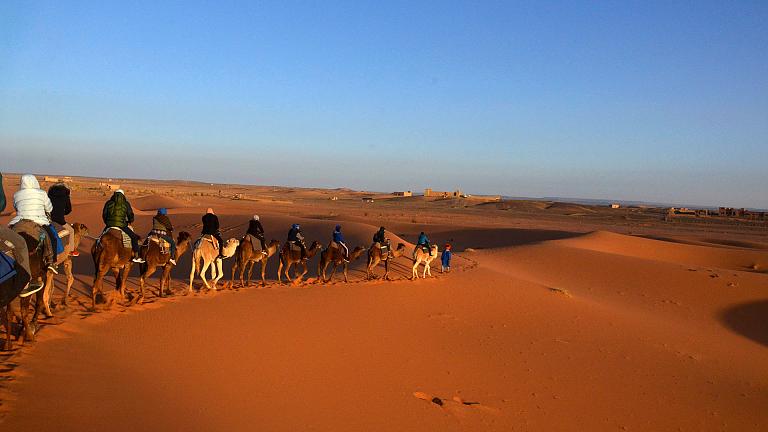
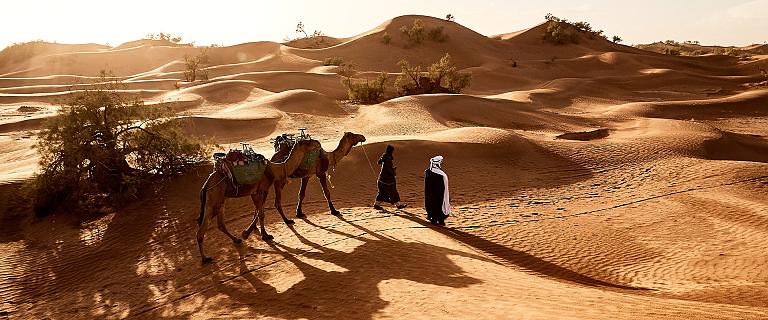
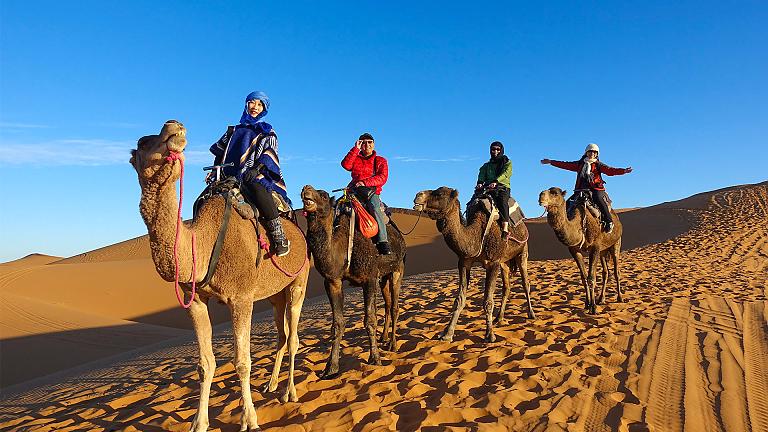
November falls within the prime season to visit the Sahara Desert. Days are perfectly pleasant, with temperatures typically ranging from 22 to 26°C (72-79°F). You can comfortably spend the whole day outdoors: walking the dunes, riding camels, or quad biking. What needs more preparation is the time after sunset. Nighttime temperatures can fall to around 8-12°C (46-54°F), so you might still be wearing a T-shirt at midday but reach for a jumper by evening.
Is November Too Cold for Camping in the Sahara Desert?
November is still a great time for camping in the Sahara. It's a transitional period between autumn and winter, and nighttime temperatures stay around 10°C (50°F). With a jacket or blanket, you can sit around the campfire at night and gaze up at the clear, starry sky in comfort. We also carefully select high-quality camps with reliable heating, private facilities, and warm beds to ensure you stay comfortable through the night.
If you prefer to avoid the cold as much as possible, aim for the first half of November. Or we recommend spending the daytime in the desert and staying overnight at a hotel in the nearby area, such as Skoura. Whatever your preferences, our travel experts can tailor a seamless itinerary to match them. And with Odynovo, the drivers and guides who accompany you on the road will also be your kind, knowledgeable, and attentive friends who always put your needs first.
Reviews from Our Travelers:
"Our Berber tent hotel was amazing. The tent was first class, and the food was even better, first class, tasty and plentiful. The camel ride was also amazing and not to be missed. We witnessed a fantastic sunrise and sunset!" — lance25
"Our guide Hamza went out of his way to help us - when he contacted a doctor for us when one of us wasn’t feeling well, when he ran after my son who had mistakenly started to walk the wrong way in the desert, when he organized a birthday celebration for my husband in the middle of the Sahara. We felt safe and secure the entire trip." — Palma
Recommended Tour Itinerary
Marrakech & Fez
November gives you two good reasons to visit Marrakech and Fez: cool weather and moderate crowds. With daytime temperatures around 21°C (70°F), you can spend hours exploring the medinas without the heat becoming tiring. Major sights like Jardin Majorelle and Bahia Palace in Marrakech, the tanneries and Al-Attarine Madrasa of Fez, are easier to explore at a relaxed pace after October's peak crowds have left.
Fez does see one or two more rainy days than October, but with plenty of indoor activities on offer, this can actually be a great opportunity to experience the city's centuries-old culture and crafts first-hand. Join a cooking class and prepare authentic Moroccan dishes with fresh, autumn ingredients, or try your hand at a pottery or Zellige mosaic workshop.
If you're already planning to visit the Sahara Desert, there's even more reason to include both cities in your route.
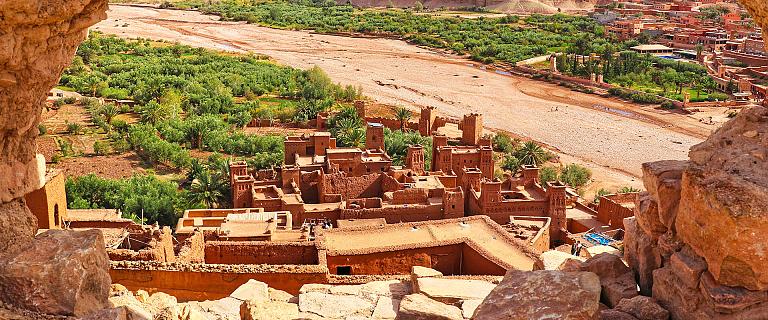
Marrakech - Sahara Desert - Fez (or the reverse) forms a classic Morocco travel route. The journey takes you from Marrakech's theatrical Jemaa el-Fna to the vast dunes of the Sahara and the centuries-old medina of Fez. Along the way, dramatic stops like Todra Gorge and the UNESCO-listed Ait Ben Haddou will keep you captivated by Morocco's ever-changing landscapes.
Recommended Tour Itinerary
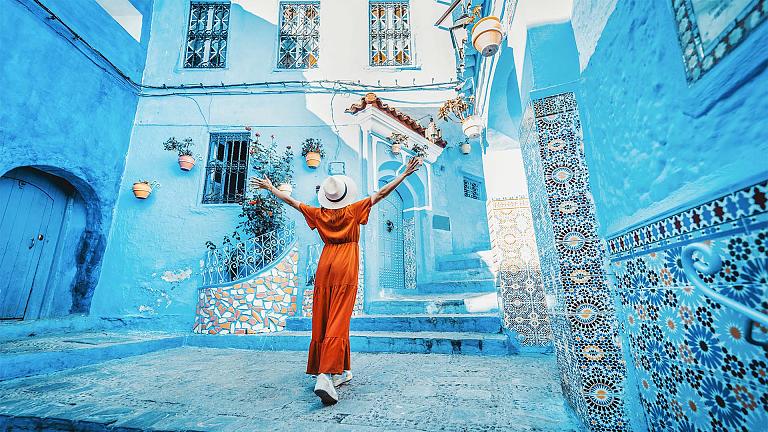
Agadir
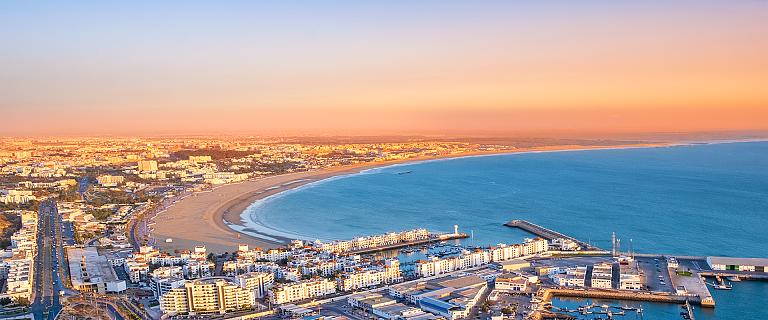
For travelers looking for warmth and sunshine in November, Agadir is an ideal choice. November marks the beginning of its best season, with fewer crowds, plenty of sunshine, and daytime temperatures around 24°C (75°F), warm enough for leisurely walks along the coast. Agadir is a modern seaside resort with more than 100 direct flights a week from major European cities, making it one of the most convenient escapes from the cooler European autumn.
Besides the beaches, you can also head to Souk El Had, Agadir's enormous and lively market. You can browse traditional handicrafts, spices, and fresh produce, while sampling Moroccan street food along the way. November is also a great time to visit Paradise Valley. The cooler autumn weather is comfortable for walking its mountain trails, while its rocky pools, palm groves, and waterfalls provide a refreshing change of scenery
November marks the beginning of Morocco's surfing season. Agadir has plenty of surf schools and instructors to help beginners get started, and more experienced surfers improve their skills. Just about 30 minutes north of Agadir lies Taghazout, one of Morocco's best-known surf destinations. With numerous surf camps and schools, it's well worth a stop if you're looking to spend more time in the water.
Is Morocco Better in October or November?
It really depends on what you're looking for. October's biggest advantage is the near-perfect weather across the country, giving you the freedom to explore just about every region in Morocco.
November's strength lies in its balance of pleasant weather, thinner crowds, and lower prices, making it one of the best-value months for travelers.
Choose October if:
- You want to enjoy excellent weather across Morocco with maximum flexibility for sightseeing and outdoor activities.
- You want to take on high-altitude Atlas Mountain treks, such as Mount Toubkal.
- You want to swim or surf along Morocco's Atlantic coast with warmer sea temperatures.
Choose November if:
- You want the best overall value for your Morocco trip.
- You want to avoid the peak-season crowds while still enjoying mild daytime weather.
- You prefer cooler daytime temperatures for exploring Marrakech, Fez, and the Sahara Desert.
We also recommend avoiding December if your schedule is flexible and you don't have a specific goal to travel during the Christmas and New Year holidays. December is one of Morocco's busiest holiday periods, bringing larger crowds and higher prices.
No matter when you decide to travel, feel free to contact us or send us an email to tailor a Morocco trip around your needs. With years of local expertise, Odynovo designs seamless itineraries, selects quality stays, and handles all the logistics and reservations along the way. All you need to do is relax and enjoy Morocco without any stress.
Recommended Tours
-

-
Morocco Cultural and Jewish Heritage10 DaysCasablanca, Rabat, Chefchaouen, Meknes, Fez, Ifrane, Marrakech, EssaouiraExplore This Tour
-
Women Vacation in Morocco13 DaysCasablanca, Asilah, Tangier, Chefchaouen, Fez, Erfoud, Merzouga, Skoura, MarrakechExplore This Tour
-
Related Posts You May Like