Morocco in January 2027: Weather, Must-Dos in New Year & Winter
Visiting Morocco in January may be aware of the unique challenges of traveling in winter: road conditions through the mountains, cold nights at desert camps, and how to avoid crowds. This guide reveals practical tips, including weather prevention, suitable experiences, and cost advice, to ensure your winter trip to Morocco is safe and enjoyable.
Weather in Morocco in January
Morocco in January is the coldest month of the year, with an increased probability of rainfall. The temperature in desert and mountainous areas experiences a sharp drop at night, while coastal areas and inland regions are cool. So, you need to prepare for the changeable weather.
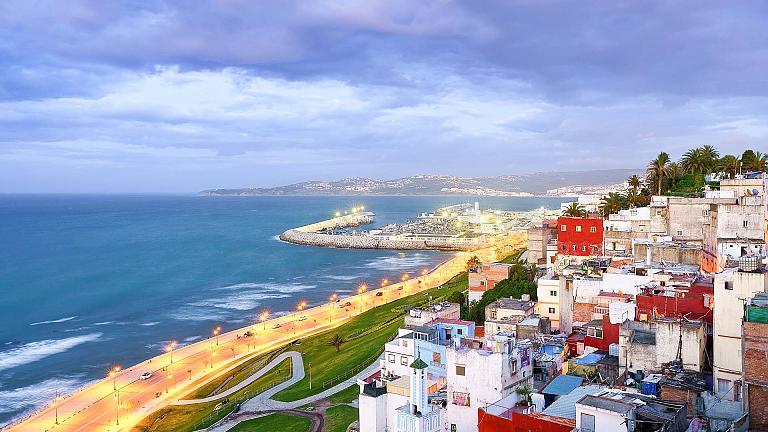
Coastal Areas: Compared to other regions of Morocco, the coastal cities (such as Tangier and Casablanca) are relatively mild in January, with temperatures ranging between 8-18°C (46-64 ℉). You may encounter rainfall, but you can experience a stronger Mediterranean charm and magnificent Atlantic views. It is advisible to carry a windproof jacket with you to cope with the damp and cold weather.
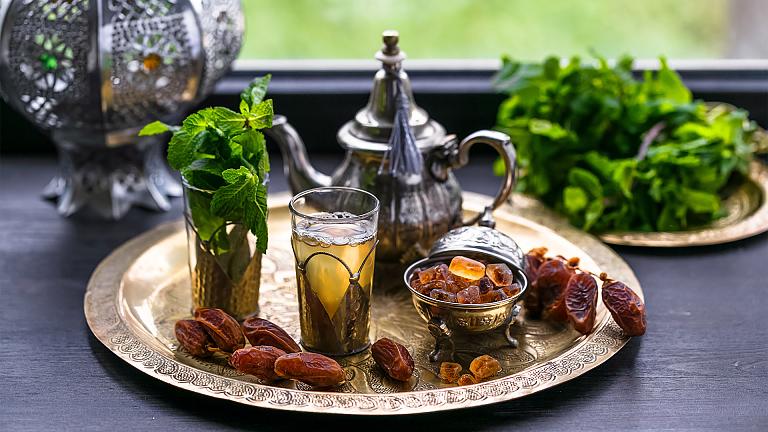
Inland Cities: Inland cities like Marrakech and Fez range temperatures of 5-20°C (41-68 ℉). With this difference, you can visit historical sites during the day, and enjoy a cup of hot mint tea by the warm fireplace at night.
Atlas Mountains: Its daytime temperature is around 5-10°C (41-59 ℉), often dropping below 0 ℃ at night. You can try mountain hiking and enjoy the snowy scenery. Seek the help of professionals as some roads may be closed due to snow.
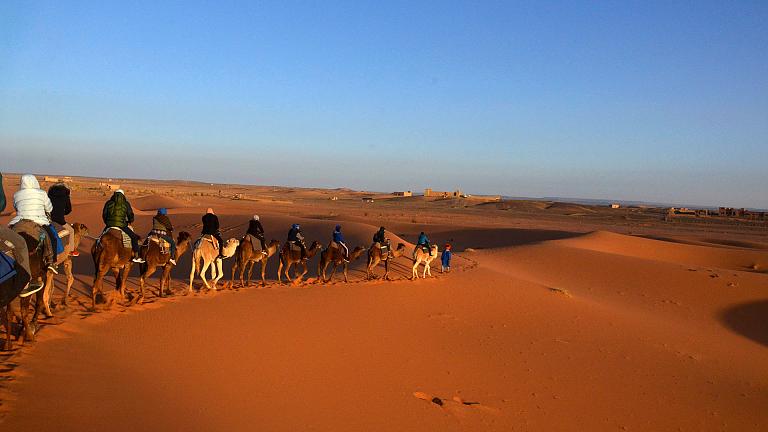
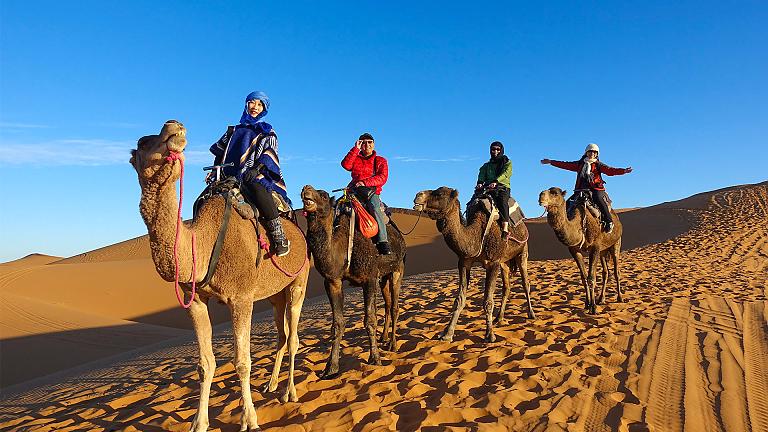
Sahara Desert: In January, the Sahara Desert (such as Merzouga) is usually above 15°C / 59 ℉, while at night it drops sharply to 0-5°C. If you want to experience desert camping, it is recommended to take good insulation measures.
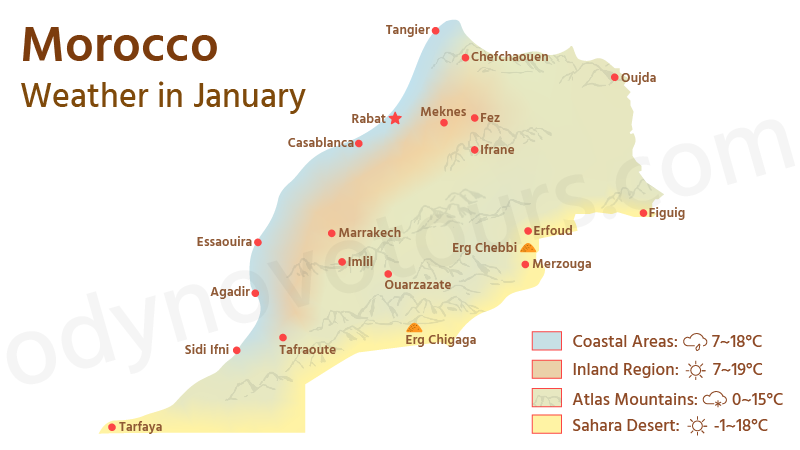 Weather Map of Morocco in January
Crowds & Costs
January is the off-season for tourism in Morocco, but it allows you to enjoy a cost-effective trip. The New Year holiday (around late December to early January) will see a brief peak in tourists, leading to a temporary increase in airfare and accommodation prices. Starting from mid-January, tourism costs are expected to decline.
During the period after the New Year celebration, international flights, star-rated hotels in major cities, traditional Riad guesthouses, and private tourism services are more affordable and easier to book. Popular attractions such as Jemaa el-Fnaa Square in Marrakech and the Medina in Fez are no longer crowded, allowing you to explore more leisurely and enjoy a peaceful experience that is closer to the local pace of life. If you want to experience the New Year atmosphere in Morocco or enjoy more hassle-free services, it is always wise to book and plan in advance.
Best Things to See & Do in Morocco's January
Enjoy the New Year Atmosphere & the Authentic Medina
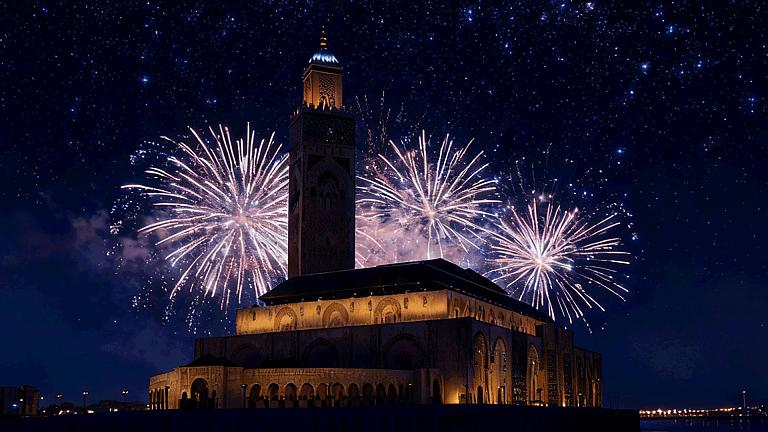
In the first few days of January, it is a particularly special time to experience the old cities of Medina (such as Fez and Marrakech). You can still feel the lively New Year in Morocco: festive lights may still adorn the streets and alleys, and the air is filled with the aroma of holiday desserts. As the tourist rush fades away, you will clearly see that life has returned to its normal pace: office workers are hurrying along, students are rushing to class, and the vendors in the market are busy weighing daily groceries for their neighbors. This transition makes your experience so fascinating, from the global celebration of the New Year to the unique daily life of Morocco.
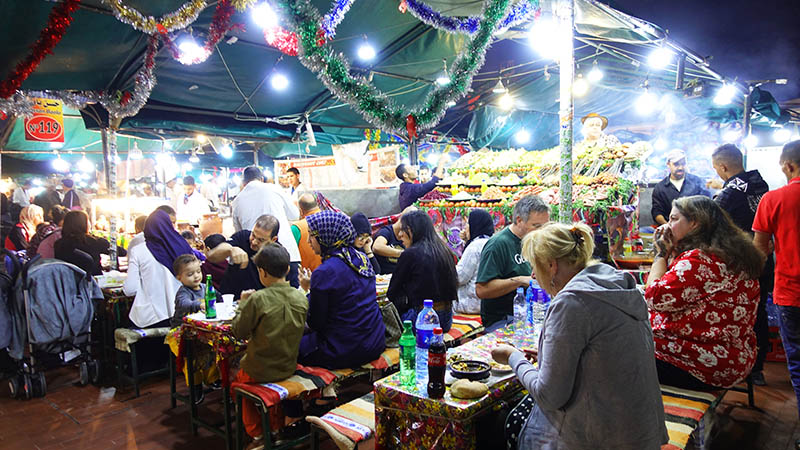 Lively Atmosphere of Medina in Morocco
Camping & Stargazing in the Sahara Desert
If you have ever imagined what the Sahara looks like, the desert in January will shatter your preconceptions. At this time, the Sahara Desert is not as fierce as it is in the hot summer. During the day, the dunes glow with a soft golden hue under the winter sun, and the starry sky is clear and bright at night. But you'll still have a quiet and warm experience, like gathering around a bonfire, savoring a cup of mint tea, and gazing at the Milky Way.
If you are lucky, you might encounter a pleasant surprise: fine snowflakes will fall on the golden desert. Such a scene is fleeting, but it is enough to become an unforgettable memory for your lifetime.
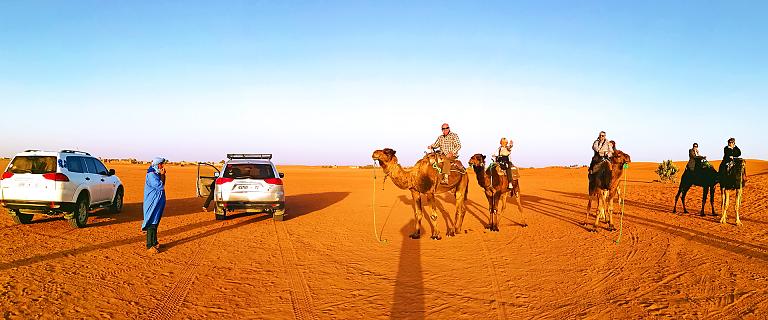
By the way, its temperature at night often drops sharply to 0 ℃. To ensure a comfortable experience, we recommend staying in a hotel on the edge of the desert or a luxury campsite with complete heating facilities, such as in Merzouga.
Recommended Tour Itinerary
Watch the Snow While Drinking Coffee or Mint Tea
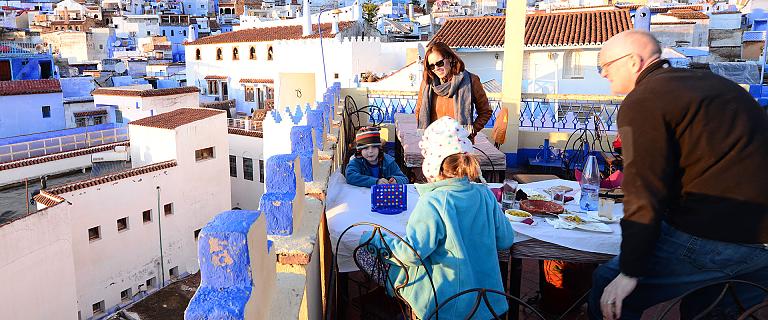
The Atlas Mountains run through the middle of Morocco. When the snow reaches its most stable state in January, you can enjoy the city views with snow-capped mountains as the backdrop on clear days. For instance, from the heights of the old cities of Marrakesh, Fez, and Meknes, many traditional rooftop cafes and guesthouse terraces offer excellent perspectives of the distant snow-capped mountains and the ancient cities at your feet. In Ifrane, known as "Morocco's Switzerland", you are immersed in its Alpine-style buildings, along with the cedar forests and snow-capped mountains in the background, showcasing the charming layering of Morocco in winter. You don't need to rush around, just find a cozy corner and sit down quietly to enjoy a dreamlike experience.
 Streets and Buildings in Ifrane
Experience Moroccan Hammams
Don't want to experience too much outdoor activity on cold days? Enjoying the warm steam of a hammam (like a sauna) can dispel the chill from your body and relieve fatigue. Moroccan Hammams are traditional bathhouses, with both public traditional baths and luxury spas. You can easily find them in major cities like Marrakech, Casablanca, and Fez.
If you are traveling with family, friends, or a partner and wish to enjoy a quiet space for a warm and relaxing time, we recommend choosing the hammam services provided by high-end hotels or boutique spas. These places offer a comfortable environment and a complete range of services, allowing you to enjoy professional care in a private setting. If you are eager to experience the authentic local culture, the public hammams in the residential areas are an excellent choice. Both these places can keep you warm.
Taste Moroccan Winter Cuisine
In January in Morocco, having a bowl of hot soup is the best way to get rid of the cold. To experience the authentic Moroccan food, we recommend that you visit the local market stalls frequented by the locals, such as Jemaa el-Fna Square in Marrakech, Souk El Had in Agadir, Souk El Attarine in Fez, and Fish Market in Essaouira.
Bissara (soybean puree soup) and the winter version of Harira (rich stewed soup) are must-try dishes. In the markets of cities like Casablanca, Fez, or Rabat, look for those small stalls or humble shops with large pots at the door, which are most lively during breakfast and lunch hours with authentic flavors. Don't forget to visit the traditional communal bakeries (usually with a dome structure) and buy a freshly baked Moroccan bread cooked over a wood fire. Dip it in the hot soup, and this will be the warm and satisfying activity of your winter memory.
Recommended Tour Itinerary
Festivals & Events of Morocco in January
Yennayer (the Amazigh New Year)
Yennayer is the traditional New Year of the Amazigh people (Berbers), and the celebrations on January 12 usually last for several days. This festival is most grand in the Atlas Mountains and southern Berber communities, and completely different from Islamic festivals. You can see families gathering to enjoy a traditional feast centered around "Tagola" (a sumptuous dish made with wheat, honey, and butter), people wearing colorful traditional clothing, sing the poetry tahdidt, and enjoy ahwash and ahidous dances.
Proclamation of Independence
Every January 11th, Moroccans celebrate the Proclamation of Independence to commemorate national independence. In the capital city of Rabat, you will feel the strongest festive atmosphere, where official flower-laying ceremonies and patriotic parades will be held. It's recommended that you pay attention to special performances at venues such as the National Mohammed V Theater in Rabat. These events are usually open to the public, allowing you to gain an in-depth understanding of Morocco's independence process through artistic performances. The national flags flying on the streets of other major cities and celebrations will also enable you to feel Morocco's great national pride.
Marrakech Marathon
The Marrakech Marathon, held in late January each year, is one of the most prestigious international sporting events in North Africa. The event features full and half marathons, with routes through the city's iconic landmarks, including the old city walls and palm groves. For participants, it offers a chance to challenge themselves amidst unique scenery. If you're not planning to compete, cheer on the runners along the race route or experience the vibrant atmosphere at the start or finish points, such as Jemaa el-Fnaa Square. The enthusiastic cheers of local residents and traditional drum performances will make you feel that the entire city is excited.
More Tips for Morocco in January
Layered Dressing & Prepare Warm Accessories
Morocco in January is cold, with a large temperature difference between day and night. It is better to dress in layers: wear thermal underwear as the base layer, pair a wool sweater as the middle layer, and prepare a windproof jacket or a thick coat as the outer layer. In addition, scarves, hats, and gloves are essential, as they can effectively retain your body heat during cold nights.
Bring Rain Gear & Sun Protection
Even on sunny days, ultraviolet rays remain strong in January, while coastal areas or mountainous regions may be rainfall. Therefore, it's best to pack sunscreen, sunglasses, and an umbrella or a lightweight raincoat in your luggage to cope with different weather conditions.
Pay Attention to Road Conditions & Driving Safety
Please note that the main roads between major cities are in good condition, but some roads leading to the Atlas Mountains or the Sahara Desert may be difficult to navigate due to winter snow or mud. To ensure safety, we suggest that you contact us to arrange for a professional driver familiar with local roads and provide a vehicle suitable for winter. It will enhance driving safety and allow you to enjoy the scenery along the way more easily.
Reserve Sufficient Time for the Sahara Desert Journey
When traveling to the Sahara Desert in winter, it is necessary to allow more flexible time for the journey, as snow may slow down the vehicle's speed. Additionally, the sun sets earlier in winter, so if you plan to experience the classic sunset viewing and stay at a desert camp, be sure to set off early for possible delays on the road.
Plan Your Morocco Trip With Odynovo
Planning a trip to Morocco in January requires considering many factors, as the winter weather and road conditions may make your itinerary planning complicated.
However, I still recommend that you travel during this month. Because you can enjoy a cost-effective off-season trip and feel the lively New Year atmosphere. No matter whether you plan to travel with your family, beloved, or friends, we can provide you with professional services and customize a suitable trip according to your needs. So, contact us at any time.
Popular Morocco Tours
-
 Classic Morocco With Sahara Desert9 DaysCasablanca, Rabat, Fez, Merzouga, Skoura, Ouarzazate, MarrakechExplore This Tour
 -
-
Northern Morocco With Blue City & Tangier7 DaysTangier, Tetouan, Chefchaouen, Meknes, Fez, RabatExplore This Tour
-
Spain, Portugal and Morocco Highlights18 DaysSpain: Madrid, Toledo, Barcelona; Portugal: Lisbon; Morocco: Marrakech, Ouarzazate, Erfoud, Fez, Rabat, CasablancaExplore This Tour
Related Posts You May Like