10 Things Not to Do in Thailand
Thailand, known as the "Land of Smiles," warmly welcomes travelers from around the world. However, like any destination with a rich culture and strong traditions, there are certain behaviors visitors should avoid. Understanding what not to do in Thailand helps you respect local customs, avoid misunderstandings, and enjoy a smoother travel experience. Here are some important tips to keep in mind before your trip to Thailand.
- Don't Misbehave in Public
- Don't Point Fingers or Toes at People or Objects
- Don't Flush Toilet Paper
- Don't Drink Tap Water
- Don't Ride Elephants or Watch Animal Shows
- Don't Wear Revealing Clothes in Religious Places
- Don't Buy the Buddha Even Put It Out of Thailand
- Women are Not Allowed to Touch Monks
- Don't Wear Shoes to Some Places
- Don't Overstay Your Visa
Don't Misbehave in Public
First of all, pay attention to what you say and do when you are in public in Thailand. Words or actions that are too exaggerated can easily offend locals. Avoid impolite behaviors, such as smoking in prohibited areas or talking loudly in public. Thais are known as the "Land of Smiles" for their warmth, friendliness, and calm approach to handling problems, so it's important to be respectful and considerate. Following Thailand's public etiquette will help you enjoy a smoother travel experience.
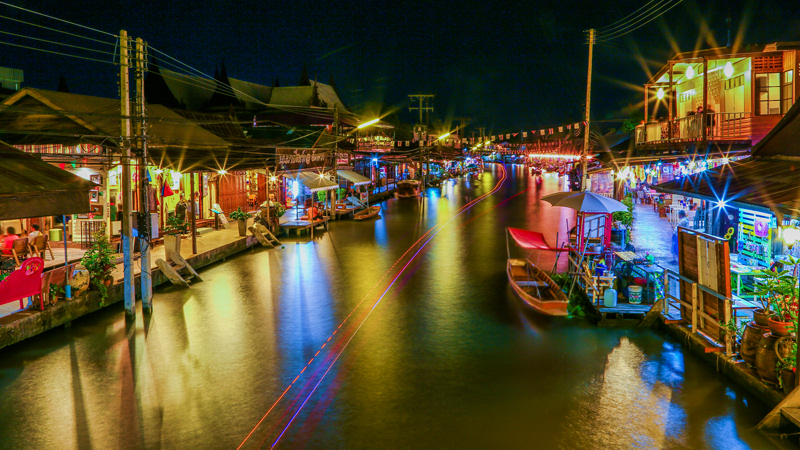 Night Street
Don't Point Fingers or Toes at People or Sacred Objects
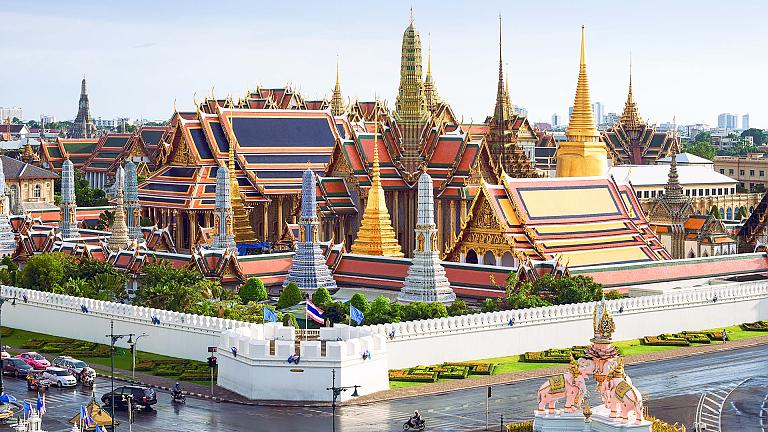
Religious beliefs in Thailand are deeply rooted in Buddhism. Under Buddhist influence, the feet are considered the lowest and dirtiest part of the body, so pointing your toes toward a person or object is considered disrespectful. Buddha statues and monks are sacred, and Thais have great respect for them, so it's important to avoid pointing your feet toward them. Similarly, the head is considered the most sacred part of the body, so you should avoid touching someone's head. Pointing fingers at others is also considered impolite in Thailand. Instead, extend your entire palm when indicating a person or object. Many Thais consider the left hand unclean, as it is commonly used in the bathroom, so try to avoid using your left hand when pointing.
Don't Flush Toilet Paper
When using toilets in Thailand, please put used toilet paper in the bathroom bin unless signs indicate that flushing is allowed. Many older buildings, public restrooms, and small restaurants have sewer pipes that cannot handle toilet paper and may easily get blocked. Large hotels, modern malls, and airports often allow flushing, so always check the instructions in the restroom. Not all toilets provide toilet paper, so it's a good idea to bring your own.
Many Thai bathrooms are equipped with a bum gun, which Thais use to rinse the lower body. After rinsing, they may wipe with toilet paper and dispose of it in the trash. While you can try this local practice, be aware that the bum gun can come into contact with multiple users and carry germs, so using toilet paper is often safer when traveling.
Don't Drink Tap Water
Most tap water in Thailand is not recommended for drinking. Even if it has been treated, water can become contaminated during transport, and drinking it may lead to gastrointestinal discomfort or infections. In some areas, tap water quality may vary, and tourists may not be accustomed to it. To stay safe, it's best to use bottled or filtered water, which is widely available throughout Thailand, including at hotels, restaurants, and street vendors. Ice in hotels and restaurants is usually safe, but when in doubt, stick to bottled water.
Tip: Many hotels provide complimentary bottled water in the room.
Don't Ride Elephants or Watch Animal Shows
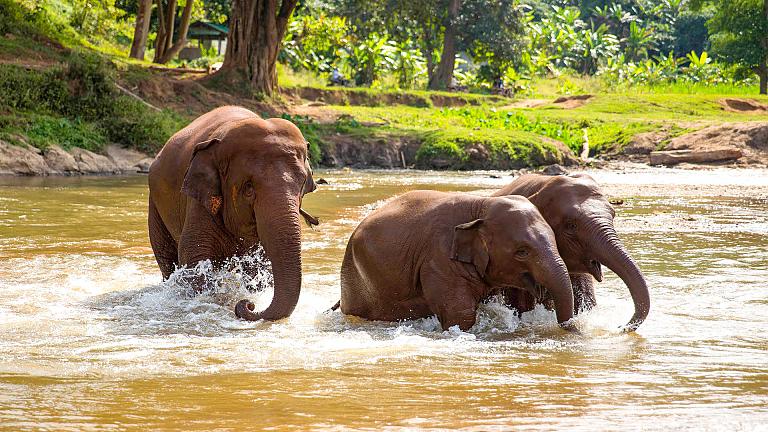
Elephants in Thailand are often used in tourist attractions, but riding them or watching animal shows can be harmful. Elephants are not fully domesticated and may become stressed or even injure people. With responsible travel becoming more popular, many tourists now understand the importance of protecting animals. When visiting Thailand, it's best to avoid elephant riding programs and animal shows, and instead support ethical elephant sanctuaries where you can observe and learn about elephants in a safe and responsible way. Let animals be free and unharmed.
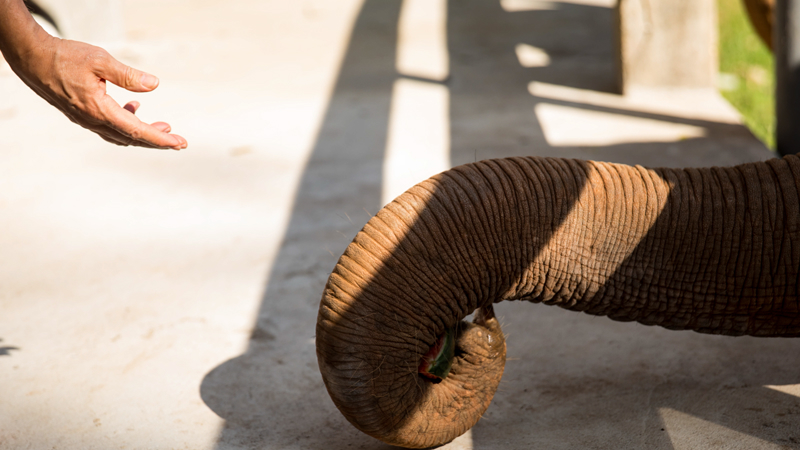 Elephant Friend
Don't Wear Clothes that Show Too Much Skin in Religious Places
Thais believe that religious occasions should be serious and solemn and that clothes showing too much skin should not be worn. When visiting temples and buildings associated with religion, everyone should not bare knees and shoulders, and the length of their skirts should be below the knee. It is recommended that you wear loose clothes and comfortable shoes. Tight dresses and trousers are not conducive to prayer and prostration. If you're not dressed appropriately, many temples offer sarongs for visitors to borrow or rent.
Don't Buy Buddha Statues and Take Them out of Thailand
Bringing a Buddha statue out of Thailand may violate Thai regulations. Thai Customs requires an export license to legally take a statue out of the country. If you plan to purchase a Buddha statue, ask the supplier whether they can provide a permit at the time of purchase. Statues cannot exceed 12 cm in height, and you cannot take more than five at a time; otherwise, you will need to complete more complicated procedures. Transporting Buddha statues privately without an export license can lead to severe penalties and considerable fines. Buying Buddha statues indiscriminately is also considered disrespectful to Buddha and Buddhism. Many Thais dislike selling Buddha statues as decoration, as it can offend their religious beliefs.
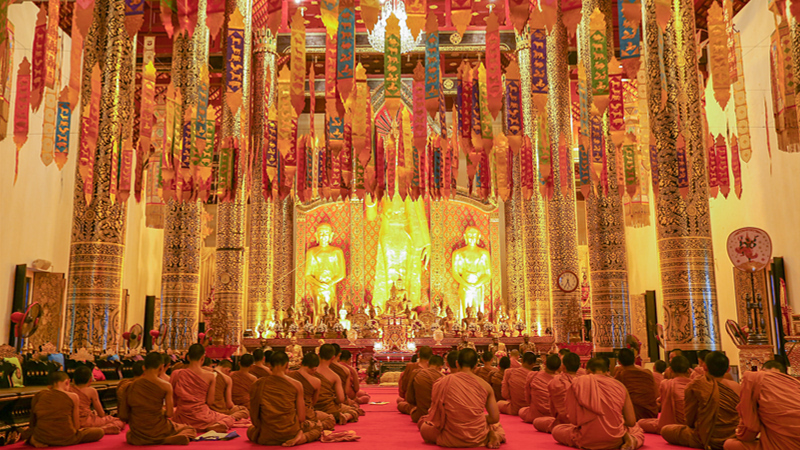 Temple in Thailand
Women Should Avoid Physical Contact with Monks
Monks in Thailand follow strict codes, one of which is not to touch women. Monks are expected to maintain self-discipline and avoid temptation, and any inappropriate physical contact can lead to consequences. Therefore, women should avoid physical contact with monks in temples or on other occasions. If you need to hand something to a monk, place the item on a towel or give it to a man to pass it on. In addition to avoiding contact, women should also maintain a respectful distance. During your trip, it's important to respect these rules when interacting with monks.
Don't Wear Shoes to Some Places
In Thailand, shoes are not allowed in many public places, such as temples, because Thais believe they can contaminate sacred and solemn areas with dirt. Usually, signs will remind you to remove your shoes. If there is no sign, check whether shoes are left at the door or if people are walking barefoot. These are also occasions where you should take off your shoes.
When visiting a temple, it is often necessary to walk barefoot, so pay attention to signage. When entering a Thai home, always remove your shoes as a basic sign of respect. Avoid stepping on the doorstep, as Thais consider it bad luck. If you are wearing socks under your shoes, it is acceptable to keep them on in these situations.
Don't Overstay Your Visa
If you stay in Thailand longer than the period permitted by your visa, it is considered an overstay, which is against the law. In some cases, a very short overstay of only a few hours may result in a warning or explanation at the airport immigration office.
Normally, the fine for overstaying is 500 baht per day, up to a maximum of 20,000 baht. Travelers who fail to pay the fine may be detained until the payment is settled, and more serious consequences may occur in severe cases.
Overstaying for more than 90 days is considered a serious offense and may lead to deportation and a ban from re-entering Thailand. The length of the ban depends on the duration of the overstay. Immigration authorities may also mark your passport to record the violation, which could affect future travel to Thailand.
Plan Your Thailand Tour in Advance
Understanding these basic prevention methods will help us understand Thailand more quickly. Due to the differences in religious beliefs, history, and culture, different countries' behaviors may have opposite meanings. Therefore, a timely understanding of the information about the destination and respecting cultural differences can reduce a lot of unnecessary trouble during travel. With enough knowledge, you can plan your trip in advance so that you can enjoy your trip to Thailand.
Recommended Thailand Tours
-

-
Highlights of Central Thailand: Bangkok, Ayutthaya, Kanchanaburi7 DaysBangkok, Ayutthaya, KanchanaburiExplore This Tour
-
-
Elephants Eco Tour & Thai Culture Discovery14 DaysBangkok, Kanchanaburi, Ayutthaya, Sukhothai, Lampang, Chiang Rai, Chiang Mai, PhuketExplore This Tour