Portugal Travel Tips for First Timers in 2026
Planning a Portugal tour for the first time? Not sure what you should know before visiting? This travel tips guide is made just for you. From the travel documents you need to tips on transportation, food, and more, it will help you make the most of your holiday.
- Travel Documents, Visas, and Insurance
- Stay Safe With Basic Portugal Travel Precautions
- Transportation Tips - How to Get Around Portugal
- Dining in Portugal Like a Local
- Wear Comfortable Footwear
- Cash or Card? Here's What You Need to Know
- Tipping in Portugal: Optional but Appreciated
- Shopping Tips About Markets & Crafts
- Practical Portuguese for First-Time Travelers
- Other Necessary Things You Should Know
Travel Documents, Visas, and Insurance
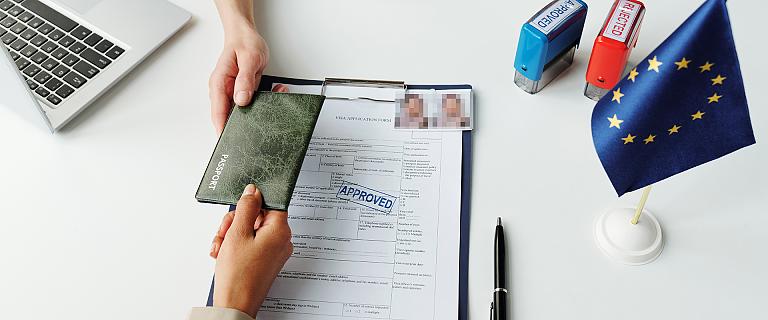
Before traveling, check that your passport is valid for at least three months beyond your planned departure from the Schengen Area. Review visa requirements carefully, as Portugal follows Schengen entry rules. Prepare both digital and printed copies of key documents, including your passport, visa if required, travel insurance, accommodation details, and return tickets. Comprehensive travel insurance covering medical care and trip disruptions is strongly recommended.
Stay Safe With These Basic Portugal Travel Precautions
Portugal is one of the safest countries I've ever visited, but as with any place else, taking some basic safety precautions is a must when it comes to ensuring a trouble-free trip. In case of emergencies, the national emergency number in Portugal is 112, and it is helpful to be familiar with basic local rules. Here are some tips that'll keep you out of harm's way:
- Pickpockets are most common in tourist-heavy areas like the Tram 28 in Lisbon, so keep bags zipped and avoid back pockets.
- Taxis should be official (look for a green light on the roof). Ask for the meter or agree on a price ahead of time.
- Still, I once had a cab try to overcharge me from the airport, so either stand your ground or, better yet, err on the side of safety, take advantage of the private car service offered on our Odynovo tour.
- Don't leave belongings unattended on beaches.
 Rocky Coastline Along Lagos
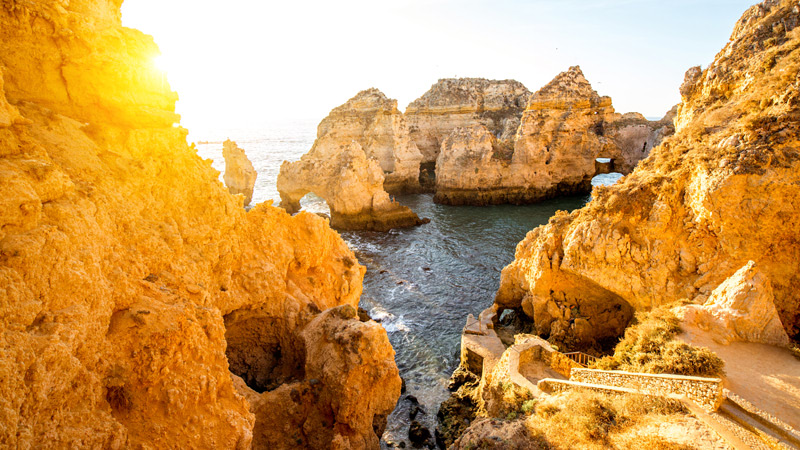 Rocky Coastline Along Lagos
Transportation Tips - How to Get Around Portugal Like a Pro
Getting around a foreign country can often feel overwhelming. Not to worry, though, as long as you keep in mind some of these transportation tips I've figured out throughout my time here, you'll be able to get around Portugal like a true pro!
- Train travel is not only comfortable and scenic but reasonably priced, too! Perfect for trips between Lisbon, Porto, and Coimbra.
- Consider the CP Comboios de Portugal passes if you're planning on going back and forth a lot between different cities.
- Metro and trams in Lisbon and Porto are efficient and cheap; get a reloadable Viva Viagem card in Lisbon for multiple trips (you can buy that at any newspaper stand, metro station, or Carris' points of sale for €0.50 and reload it whenever needed).
- If you're planning on moving around a lot and want to avoid the headache of figuring out the local public transport, a rental is always a good idea (you can find cars for as low as €10 a day). Just be prepared for narrow roads and manual transmissions.
Bonus tip: If you rent a car, toll roads are everywhere - use the electronic toll option to make life easier.
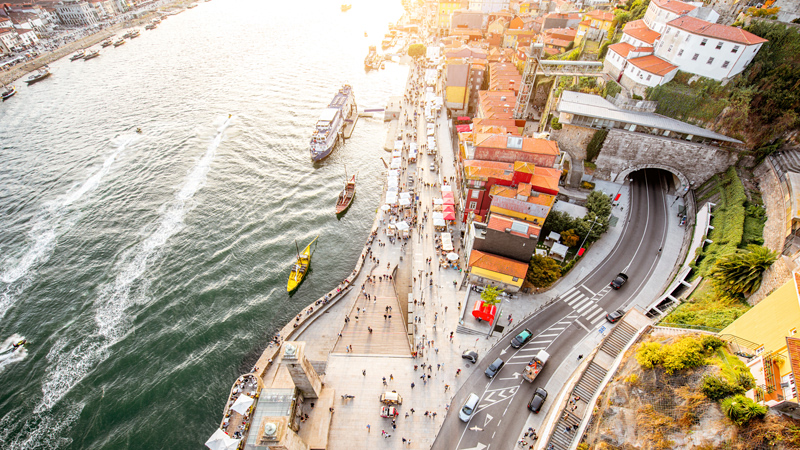 Portugal Transportation
Dining in Portugal Like a Local
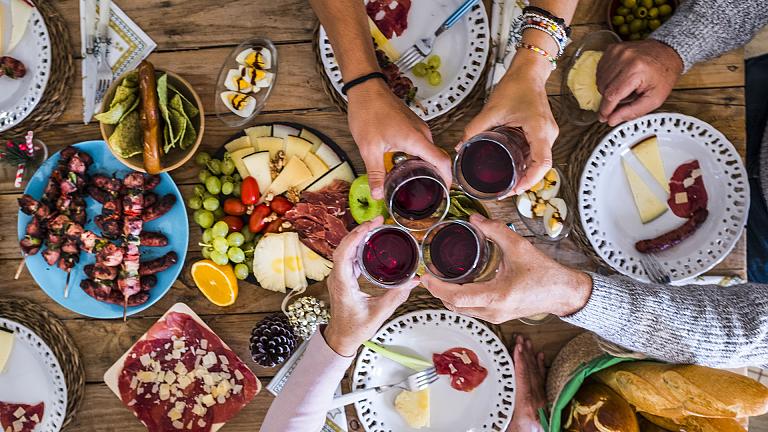
You want to know the best part of my Portugal trip? The food. From the aromatic seafood stews to pastel de nata, everything you'll eat here is bound to leave a lasting impression.
And while I've had more incredible dishes than I can count during my time in Portugal, there were a few clear standouts you might want to enjoy, too:
- Bacalhau à Brás (salt cod with egg and potato)
- Grilled sardines (especially during summer festivals)
- Francesinha (Porto's calorie-bomb sandwich)
- Caldo verde (hearty kale and sausage soup)
- Pastel de nata (custard tart, best fresh out of the oven)
Now that you know what to order, let's dive into some of my tried-and-true dining tips that'll make you feel just like a local on those warm Portuguese nights:
- Appetizers are not free: Bread, olives, and cheese may be placed on your table automatically, but they'll be added to the bill unless you decline.
- Drink at the bar: It's cheaper than sitting at a table in many places.
- Try Port wine after your meal, especially in Porto, where it's produced.
- Don't miss a Fado dinner in Lisbon or Coimbra. Fado is Portugal's traditional music, and many of the restaurants you'll come across offer set meals with live performances. Tip the performers if you can!
- Last but certainly not least, be aware of Portuguese meal times. Dinners are usually eaten later in the evening (8 - 9 PM), and lunch is a big deal, often with a three-course "prato do dia" menu at a great price.
Wear Comfortable Footwear - Your Feet Will Thank You
One of my most painful travel lessons? Walking Lisbon's hills in slick-soled sandals.
If there's one thing I've learned about Portuguese cities (especially some of your favorites like Lisbon, Porto, and Coimbra), it's that they're as cobbly and hilly as they are gorgeous, so packing comfortable footwear is a must for those long sightseeing sessions.
When preparing for a Portugal trip, these are all the shoes you'll need to pack:
- A pair of breathable sneakers for walks around the city.
- Flip-flops (but only for the beach).
- Some well-cushioned, grippy walking shoes for sightseeing days or when the cobbled streets get slippery.
- A pair of stylish but sturdy sandals for those fun evenings out.
Bonus packing tip - Bring layers (Portugal's weather can be a bit capricious, especially in spring or fall) and use vacuum-sealed bags for your clothes so that you can make the most out of the room in your luggage.
 Wear Comfortable Footwear
Cash or Card? Here's What You Need to Know
Portugal is generally card-friendly, especially if you're visiting a bigger city or a more touristy area. In my experience, most restaurants, hotels, and shops accept Visa and Mastercard. Remember to notify your bank before departure to avoid card issues abroad
Having said that, I always carried some cash during my time here, anything between 20 and 150 euros (the local currency), depending on what I was doing that day.
That's because smaller towns and even mom-and-pop establishments in bigger cities may still prefer cash, so I wouldn't recommend going out with a card alone. Don't forget to carry some coins, too - they'll come in handy for public transport or tips (more on that below).
And whatever you do, avoid Euronet ATMs - their fees are astronomical. Opt for ATMs attached to Portuguese banks like Millennium BCP or Novo Banco instead.
Tipping in Portugal: Optional but Appreciated
Tipping in Portugal is relatively common but not at all expected. Here's everything you need to know about Portuguese tipping etiquette:
- Tipping is a kind gesture when you've had exceptionally good service, not a given.
- At cafés, just round up the bill to the nearest euro.
- In restaurants, you can leave a couple of euros on the table (generally speaking, 5-10% of the bill is more than enough).
- For taxi rides, rounding up or adding €1 to 2 is appreciated but not required.
- Always leave tips in cash, even if you pay by card, as otherwise it may not go directly to the staff.
Tipping in Portugal
 Tipping in Portugal
Markets & Crafts - Explore Local Markets & Take Home Handcrafted Treasures
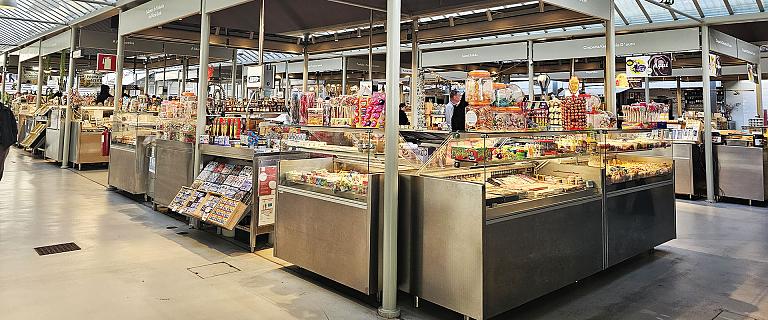
In my experience, one of the best ways to get in touch with a country's culture is to go through the local markets - you get to browse all the traditional, one-of-a-kind products while also interacting with locals - it's a treat!
Some of my favorite markets for handcrafted treasures in Portugal include (but are not limited to) Lisbon's Feira da Ladra, Porto's Mercado do Bolhão, and Loulé Market in the Algarve. But how do you navigate these places for the best experience (and deals)?
- Look for azulejos (painted tiles), cork products, ceramics, and embroidery.
- Bargaining isn't common, but polite negotiation might work at flea markets.
- Check customs rules on buying wine or olive oil to bring home - if you're able, make sure to snag a bottle or two.
Practical Portuguese for First-Time Travelers
When traveling to Portugal for the first time, it is helpful to know that the official language is Portuguese. While English is widely understood in major cities and tourist areas, learning a few basic Portuguese phrases can make your trip more enjoyable and show respect to the locals. Simple greetings, polite expressions, and common questions can go a long way in restaurants, shops, and when asking for directions. Even a small effort in speaking Portuguese often brings smiles and friendlier interactions.
| Portuguese | English | Usage |
| Olá | Hello | Greeting |
| Bom dia | Good morning | Morning greeting |
| Boa tarde | Good afternoon | Afternoon greeting |
| Boa noite | Good evening / Good night | Evening greeting |
| Por favor | Please | Polite request |
| Obrigado / Obrigada | Thank you (male / female) | Express gratitude |
| Desculpe | Excuse me / Sorry | Apology or getting attention |
| Quanto custa? | How much does it cost? | Shopping or asking price |
| Onde fica…? | Where is…? | Asking for directions |
| Banheiro | Bathroom | Asking for toilet |
| Sim / Não | Yes / No | Basic answer |
| A conta, por favor | The bill, please | At a restaurant |
Other Necessary Things You Should Know Before You Go
Remember to bring a universal power adapter, as Portugal uses Type C and Type F plugs with a 230V electrical system.
Download essential travel apps, including offline maps and transportation services, before arrival.

Plan Your Carefree Portugal Journey With Odynovo
Portugal is bound to surpass your already high expectations, so all this work and research will be well worth it in the end.
And while planning a holiday is essential when it comes to avoiding unwelcome surprises, make sure to leave some room for spontaneity, too. Whether it's a chat with a friendly local over coffee or stumbling upon a hidden alley filled with street art, it's often the unplanned moments that become the highlights of your trip.
Check local holidays and opening hours. Some shops, restaurants, and attractions may close on public holidays or Sundays, so plan accordingly. Besides, boat tours to places like Benagil Cave, wine tastings in the Douro Valley, and summer festivals often sell out during peak season. Booking popular experiences in advance is advisable.
Bring a reusable water bottle. Tap water is safe to drink in Portugal, and having a bottle helps you stay hydrated while reducing plastic waste.
Luckily for you, with these first-hand Portugal travel tips, or just contact us and leave the planning for Odynovo, you'll be well-equipped to take on an incredible adventure.
Recommended Tours
-
 Family Vacation in Portugal: Food, Culture & Nature11 DaysLisbon, Sintra, Óbidos, Nazaré, Tomar, Coimbra, Porto, Peneda-Gerês National ParkExplore This Tour
 -
-
-
Portugal Food & Wine Tour: Porto, Douro Valley and More10 DaysLisbon, Porto, Douro ValleyExplore This Tour



Related Posts You May Like
-
How to Plan a Family Trip to Portugal
-
Christmas in Portugal 2026: Weather, Crowd, How & Where to Celebrate
-
Schengen Visa 2026: Area, 4 Types, Application, Rejection & Tips
-
Madeira Flower Festival Guide 2027: Events & Schedules
-
10 Best Places to Visit in Portugal 2026
-
Guide to Hiking in Portugal: Best Trails & Tips