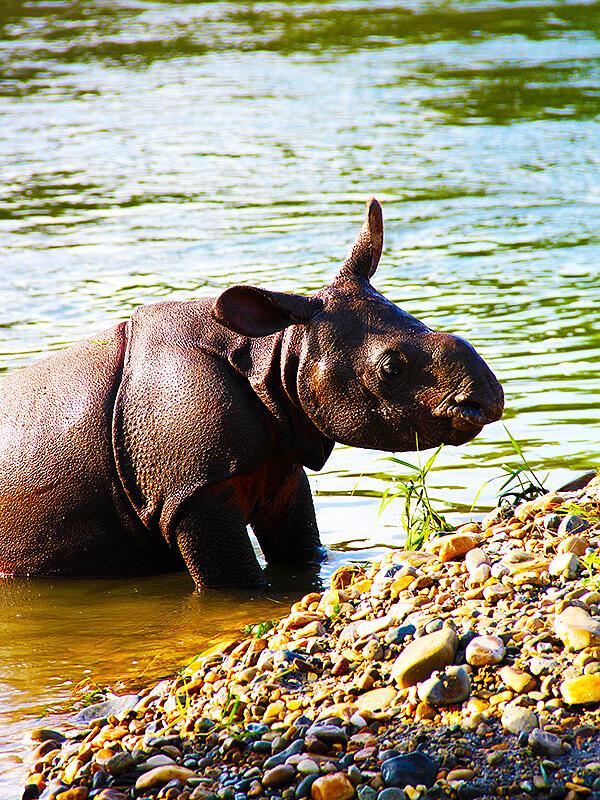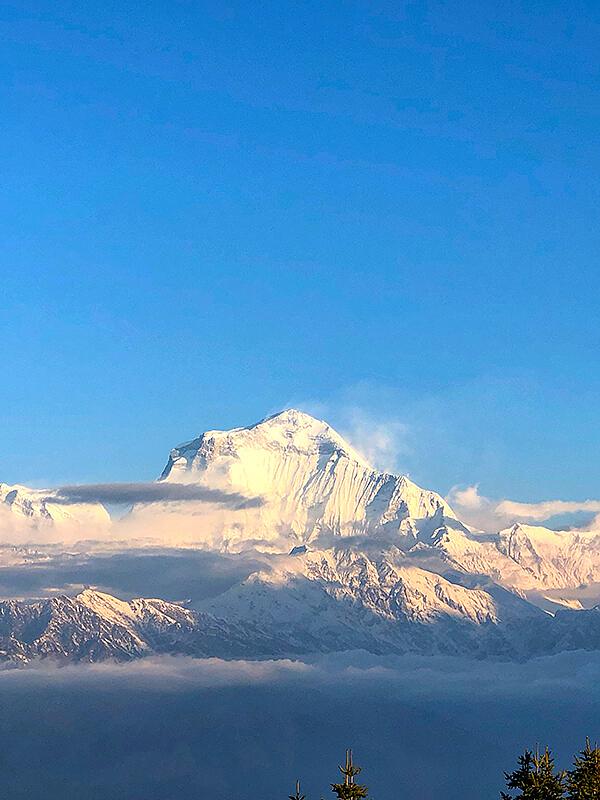
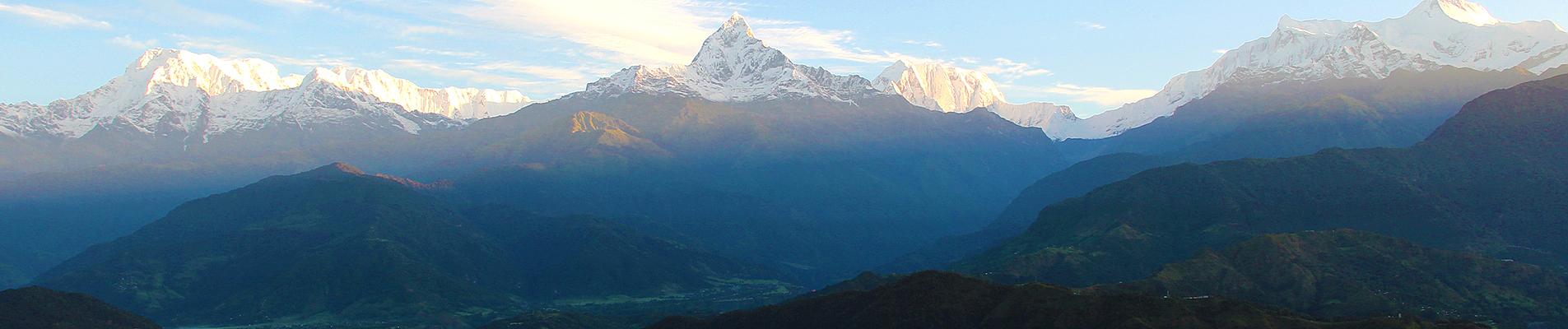
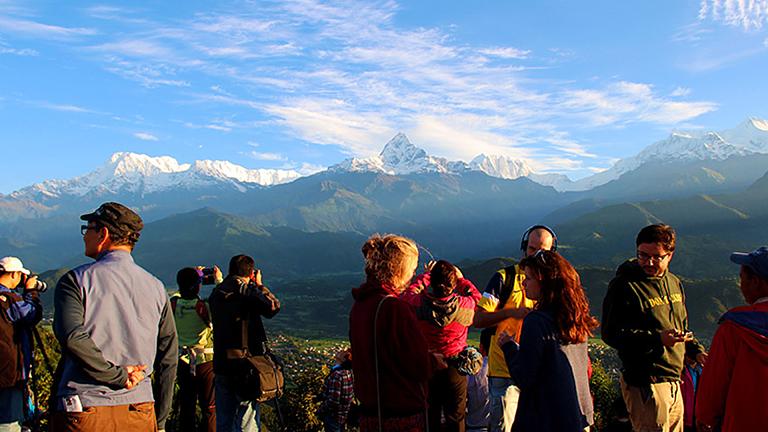
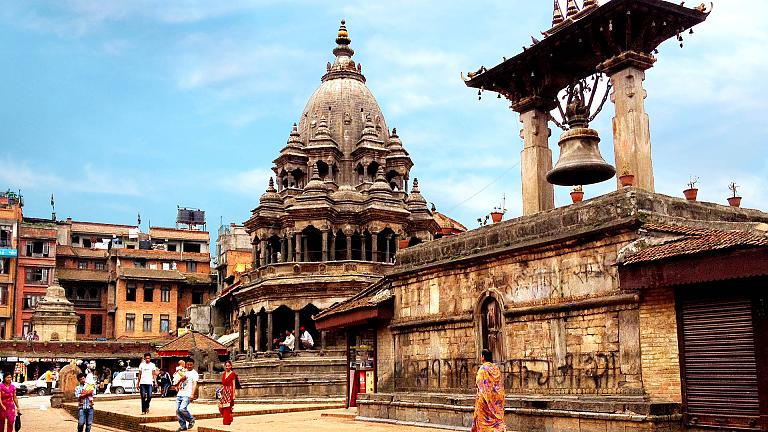
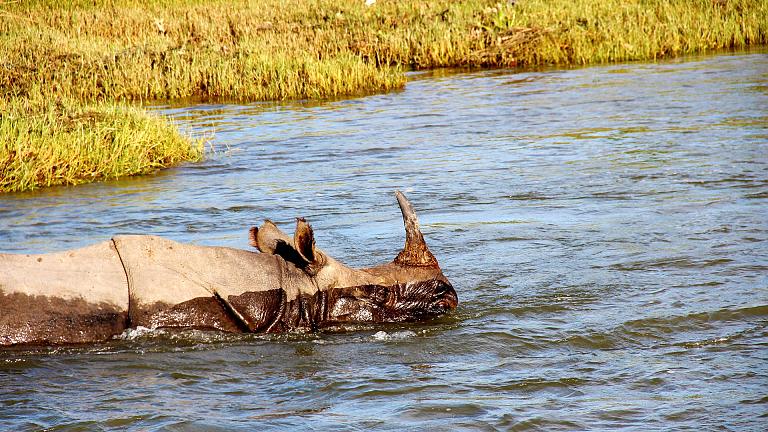
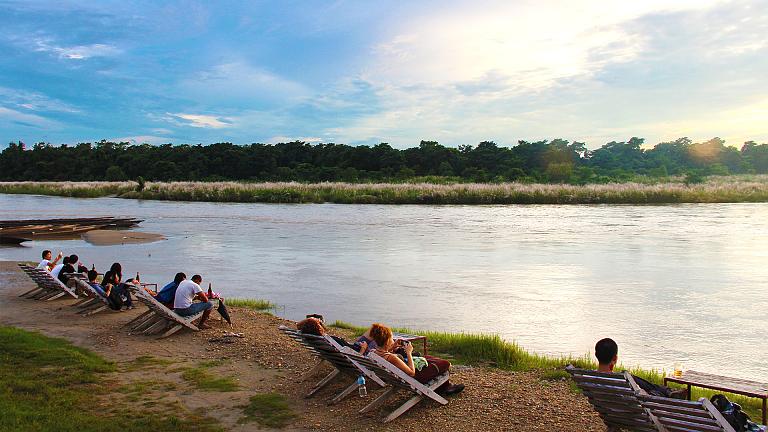
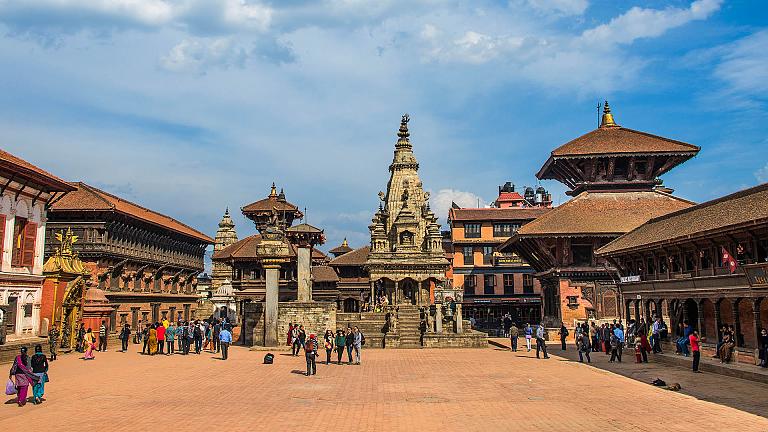
Nepal reveals itself slowly, and best of all when it is arranged with care. In Kathmandu, centuries-old temples, hidden courtyards, and the scent of incense make the ancient valley feel like a living museum. Travel west to Pokhara, where a serene lakeside setting mirrors the snow-capped Annapurna range at sunrise, and every morning invites you to linger. In Chitwan National Park, a private jungle lodge puts you within easy reach of one-horned rhinos, elephants, and, with a little luck, the elusive Bengal tiger.
Each stop is unhurried, each transfer thoughtfully planned, and every experience is tailored to you, from private cultural guides to boutique stays with mountain views. Come and discover Nepal with Odynovo.
- Nepal Private Tours
- Multi-Country Tours
-

-
-
Nepal Highlights Tour: Kathmandu, Pokhara, Chitwan8 DaysKathmandu, Pokhara, ChitwanExplore This Tour
-
-
Nepal, Bhutan and India Highlights13 DaysNepal: Kathmandu Valley; Bhutan: Paro, Thimphu; India: Delhi, Jaipur, AgraExplore This Tour
-
Bhutan and Nepal Discovery11 DaysNepal: Kathmandu, Patan, Bhaktapur, Pokhara; Bhutan: Paro, Thimphu, PunakhaExplore This Tour
-
Nepal and India Tour with Taj Mahal11 DaysIndia: Delhi, Agra, Jaipur; Nepal: Kathmandu, Patan, Bhaktapur, NagarkotExplore This Tour
-
Lhasa to Kathmandu with Mt. Everest10 DaysChina: Lhasa, Gyantse, Shigatse, Tingri, Mount Everest, Gyirong; Nepal: Kathmandu, Patan, BhaktapurExplore This Tour
Customize Your Own Trip
Please share your travel ideas with us below and one of our travel experts will contact you within 24 hours. Prefer to speak to an expert directly? Call us at +1 347 2227702 or +61 434 853 368.
What Our Clients Say
Explore the latest verified reviews of Odynovo's travel services on Tripadvisor, Google, Trustpilot, Product Review and more trusted platforms.
Nepal Travel FAQs
-
Largely, yes. Kathmandu Valley's great squares and temples suffered heavily in 2015, but the years since have brought careful reconstruction, much of it using traditional Newar methods and materials.
The major sites, including Swayambhunath, Boudhanath, and the Durbar Squares, are open to visitors. A few structures may still be under restoration, so you might see scaffolding or craftsmen at work.
When you travel through Nepal, you will witness a cultural heritage being rebuilt by skilled hands.
-
Both work well, and the choice depends on what you want from the day.
The flight takes about half an hour, and on a clear morning the Himalayas slide past your window. Mountain weather can delay flights, especially later in the day, so we book them early. During the monsoon (June to September), we lean towards flying
The road is roughly 200 kilometres and takes six to eight hours, following river valleys past terraced hillsides and roadside villages. It is slower, but it shows you the Nepal in between.
We can arrange either, and will suggest one based on your dates and how much time you have.
-
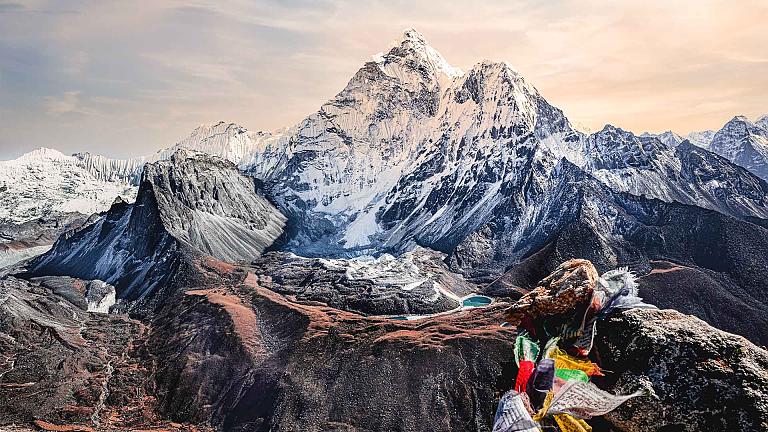
Yes. The best way is the Everest mountain flight from Kathmandu: about an hour in the air, with a window seat for every guest, alongside the highest peak on Earth.
On very clear mornings, Everest can also be picked out from Nagarkot on the Kathmandu Valley's rim, though only as a faint, distant tip among other peaks.
If you are not set on Everest and simply want to feel the full scale of the Himalayas, Pokhara is even more rewarding: the Annapurna range rises almost within arm's reach, grander and more dramatic, and one of the most loved mountain views in Nepal.
-
Honestly, this is the city's least polished side.
Kathmandu sits in a bowl-shaped valley, so dust and exhaust can linger, especially in the dry months before the monsoon, and the streets can be crowded and slow.
We plan around it: sightseeing starts early, when the air and the roads are at their best, and we move you by private car with a driver rather than on public transport.
If you are sensitive to dust, a light mask is worth packing.
-
Pashupatinath is one of Nepal's most sacred Hindu temples, and along the Bagmati River beside it, families gather for open-air cremations.
You can witness this from the opposite bank. Smoke drifts across the river, and when the wind turns, so does the smell, which some people find hard to bear. It helps to go in with the right expectations, and to step back whenever you need to. Please do not photograph the mourners.
Around the temple grounds, you will also meet sadhus, holy men with painted faces and long matted hair. Many will pose for a photo in return for a small tip, so agree on it first, and your guide can help.
-
Usually, yes.
The Kumari is a young girl worshipped in Kathmandu as the living incarnation of a goddess, and she lives in an ornately carved palace beside Durbar Square. She appears at a window above the courtyard almost every day, but only for one or two minutes at a time, so timing is everything.
Our experienced local guides know when she is likely to appear and will time your visit around it. During major festivals, your chances are even better.
A sighting can never be guaranteed, and she cannot be photographed. Expect a brief, quiet moment rather than a ceremony, but a small window into a tradition that is still very much alive.