
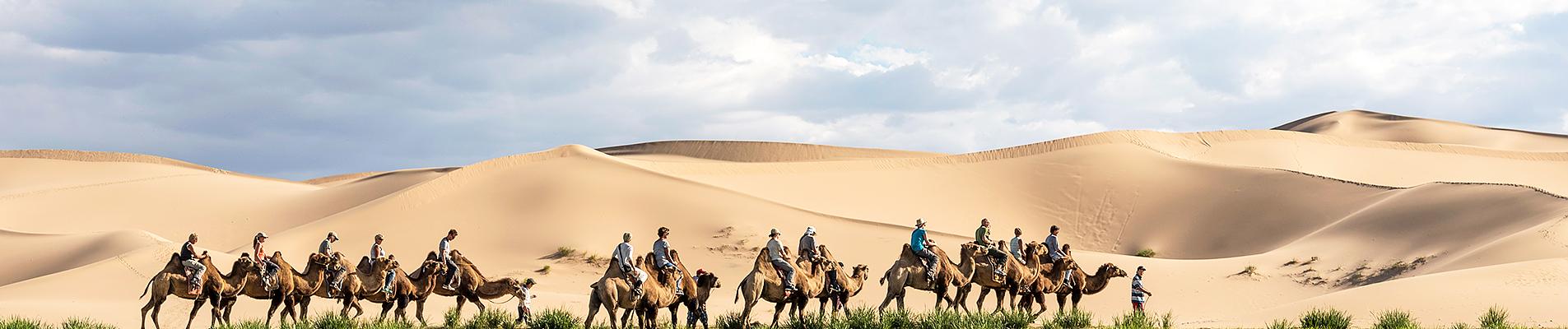
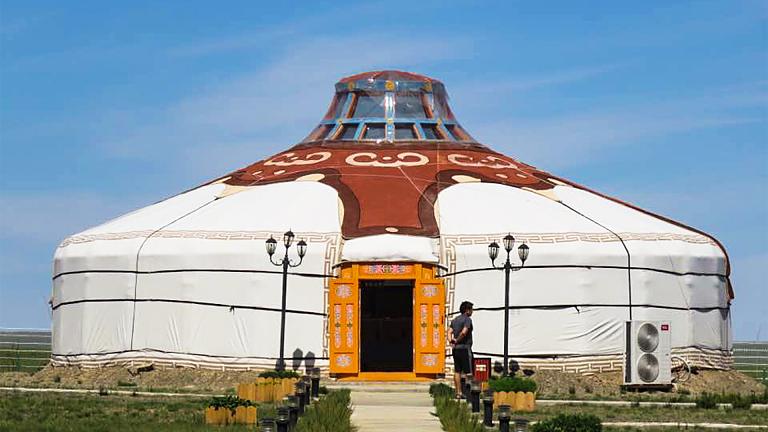
Mongolia offers a rare chance to experience vast open landscapes with few signs of modern development. Beyond Ulaanbaatar, the scenery stretches across grasslands, desert and mountains, where nomadic families still move with their livestock and traditional ger camps provide a glimpse into this enduring way of life. In the Gobi, wild landscapes and fossil-rich terrain add another dimension to a journey that feels distinctly different from the usual Asian travel experience. Choose a fully customized private tour with Odynovo to discover Mongolia’s untouched wilderness in comfort and at your own pace.
Best-Selling Mongolia Private Tours
-
 Mongolian Nomadic Adventure12 DaysUlaanbaatar, Amarbayasgalant, Uran Togoo, Khuvsgul Lake, Jargalant, Khorgo, Karakorum, Elsen Tasarkhai, Hustai National ParkExplore This Tour
 -
Mongolia Naadam Festival Tour10 DaysUlaanbaatar, Hustai National Park, Gun-Galuut Nature Reserve, Gorkhi-Terelj National ParkExplore This Tour
-
Classic Mongolia Tour7 DaysUlaanbaatar, Elsen Tasarkhai, Karakorum, Hustai National ParkExplore This Tour
-
Photogenic Mongolia with Gobi Desert10 DaysUlaanbaatar, Hustai National Park, Karakorum, Gobi, Gorkhi-Terelj National ParkExplore This Tour
Customize Your Own Trip
Please share your travel ideas with us below and one of our travel experts will contact you within 24 hours. Prefer to speak to an expert directly? Call us at +1 347 2227702 or +61 434 853 368.
What Our Clients Say
Explore the latest verified reviews of Odynovo's travel services on Tripadvisor, Google, Trustpilot, Product Review and more trusted platforms.
Best Places to Visit in Mongolia
-
As the national capital and primary hub, Ulaanbaatar introduces visitors to a distinct urban environment shaped by Soviet-era architecture, modern developments, and deep-seated Buddhist heritage. Surrounded by four sacred peaks along the Tuul River, the city provides an essential window into how traditional steppe culture intersects with contemporary Mongolian life.
Morning chanting ceremonies at Gandan Monastery offer a quiet look into active worship beside a 26.5-meter gilded statue of Avalokiteshvara. Nearby, the National Museum of Mongolia displays ancient imperial artifacts and traditional regional clothing. Evenings feature live performances of throat singing (Khoomei) and the horsehead fiddle (Morin Khuur). Every July, the city hosts the grand opening ceremonies of the national Naadam Festival at the National Stadium, featuring elite wrestling and archery competitions.
-
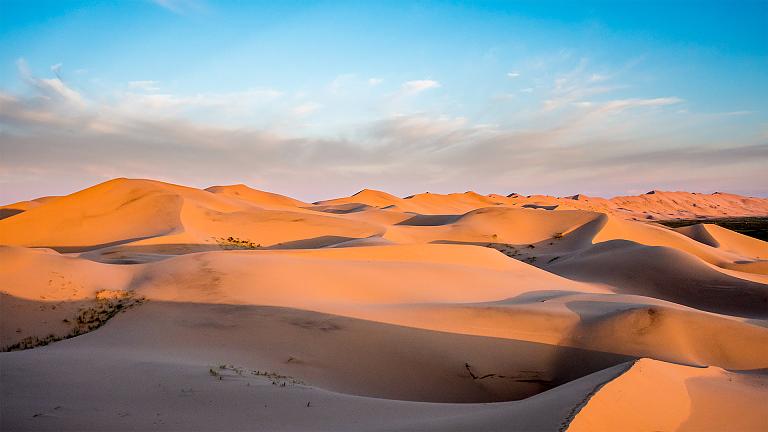
Extending across southern Mongolia, the Gobi is one of the world's most dramatic high-altitude cold deserts. Its landscape is not merely an endless expanse of yellow sand, but a varied terrain composed of towering sand dunes, gravel plains, rugged mountain passes, and weathered red sandstone cliffs.
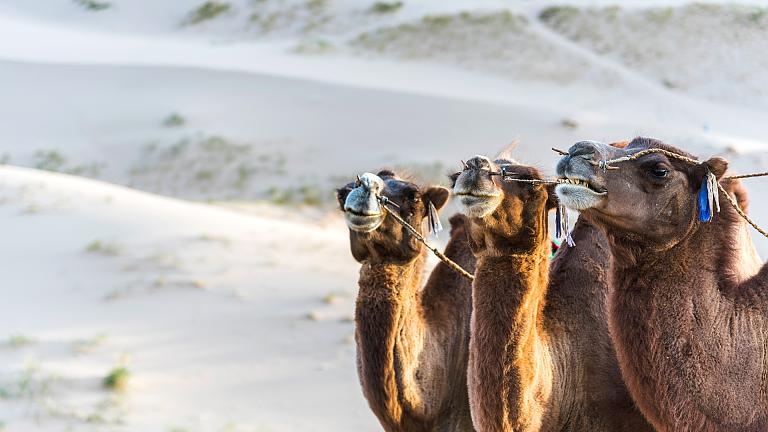
At Khongoryn Els, also known as the Singing Dunes, travelers can hike up 300-meter-high sand structures to listen to the resonant hum produced by wind-shifted sands. Further east, Bayanzag, the iconic Flaming Cliffs, offers exceptional walking trails among red sandstone formations where the world's first fossilized dinosaur eggs were discovered in the 1920s. Overland journeys across the desert also provide opportunities to ride double-humped Bactrian camels through dry riverbeds and stay in remote seasonal encampments.
-
Located near the northern border, Lake Khövsgöl contains nearly 70 percent of Mongolia's fresh water and is often called the Blue Pearl of the country. Encircled by alpine peaks and dense larch forests, the area represents a striking transition from the open southern steppes to the northern taiga ecosystem.
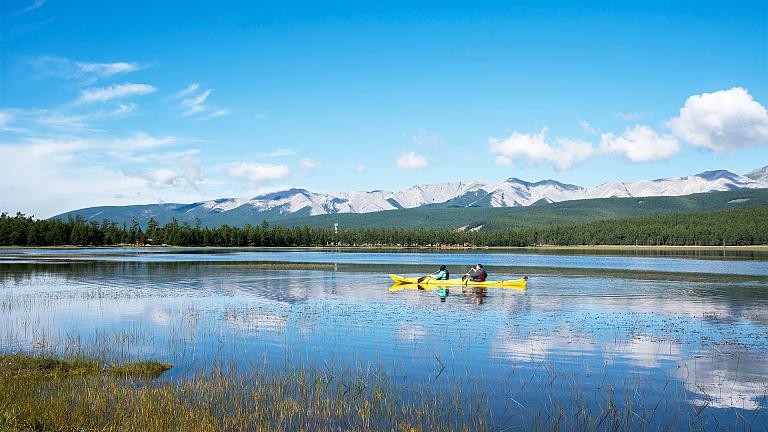
Popular outdoor pursuits include shoreline horseback rides, hiking through alpine meadows filled with seasonal flora, and kayaking across crystal-clear waters. Deep within the surrounding pine forests, guided field excursions provide access to remote Tsaatan settlements, Mongolia's last remaining nomadic reindeer herders who maintain a distinct way of life centered on reindeer husbandry and forest survival.
-
Recognized as a UNESCO World Heritage site, the Orkhon Valley is considered the historical cradle of nomadic civilization on the Mongolian steppe. For centuries, this fertile river basin served as the administrative, cultural, and spiritual center for successive nomadic empires, including the Hunnu, Turkic, and Mongol empires.
Historical exploration centers on Erdene Zuu Monastery, built on the ruins of the ancient imperial capital of Karakorum and encircled by 108 white stupas. Further along the valley, the Ulaan Tsutgalan waterfall drops 20 meters over volcanic basalt cliffs into the river below. Active grazing grounds throughout the valley allow for home visits with local herding families inside their gers, sampling traditional dairy products, and riding horses through open pastures. In mid-July, the region hosts local Naadam celebrations with horse races across the open steppe.
-
Situated roughly 100 kilometers southwest of Ulaanbaatar, Hustai National Park is a protected reserve featuring undulating hills, birch forests, and expansive open grassland. The park is internationally recognized for its successful conservation program that reintroduced the Takhi, or Przewalski’s horse, the world’s last remaining wild horse species.
Wildlife viewing is best during early mornings or late afternoons when the Takhi descend from the hills to drink from stream beds. Accompanied by local conservation rangers, visitors can track the horses on foot or by 4x4, while also spotting native fauna such as red deer, marmots, and migratory birds of prey. The park boundaries also contain 6th-century Turkic stone monuments that add historical depth to the wilderness landscape.