Japanese Cherry Blossom Viewing Guide 2027
Planning a Japan cherry blossom trip requires a little more preparation than a typical journey. Blooming dates vary from region to region, while weather can affect the timing from year to year. Therefore, choosing the right destinations according to your travel date and building some flexibility into your itinerary can make a big difference. This guide will help you plan your journey and make the most of Japan's cherry blossom season.
Japan's Cherry Blossom Season at a Glance
The cherry blossom season in Japan lasts for over two months, giving you plenty of chances to catch the blooms. Here's a quick guide to peak times by region to help you pick your travel dates.
| Region | Timing | Best For |
|---|---|---|
| Kanto & Kansai (Tokyo, Kyoto, Osaka) | Late March - Early April | First-time visitors |
| Okinawa | Mid - Late February | Combining cherry blossoms with a tropical beach trip |
| Izu Peninsula (Kawazu, Atami) | Late February - Early March | Catching early blooms with fewer crowds |
| Kyushu & Shikoku (Fukuoka, Kochi) | Mid to Late March | |
| Tohoku (Sendai, Aomori, Morioka) | Mid to Late April | Extending your cherry blossom season |
| Hokkaido (Hakodate, Sapporo) | Late April - Early May | Late-season blooms away from peak crowds |
You can also check the Cherry Blossom Forecast Map of 2027, match the dates with what you want to experience, and choose what works best for you. Sure, the simplest way is to tell us what you have in mind, and just let Odynovo help you pick the right dates and design your trip.
How to Catch the Peak of Cherry Blooms
Japan's cherry blossoms usually bloom around March and April, but the exact timing depends heavily on the weather. Booking your dates months in advance doesn't guarantee you'll see full blooms, so you need a few clever strategies to stack the odds in your favor. Here are our top tips based on years of designing trips across Japan.
Don't Rely Entirely on Historical Average Dates
Checking past average bloom dates to lock in your flights and hotels early makes practical sense—rates get wildly expensive close to travel dates. However, actual bloom times shift every year. Your best bet is booking flexible hotel rooms with free cancellation. Then, check updated forecasts from sources like the Japan Weather Association 2 to 3 weeks before you fly to tweak your itinerary if needed.
Spread Your Trip Across Multiple Regions
Putting all your eggs in one basket is risky. If local blooms don't line up with your travel dates, you miss out entirely.
A safer bet is pairing two or three areas with slightly staggered bloom schedules, like Tokyo, the Miura Peninsula, Hakone, and Osaka. For instance, the Miura Peninsula sits just an hour and a half by train from Tokyo, yet its cherry trees peak nearly a month ahead of the capital. On the flip side, higher-altitude spots like Hakone run on cooler temperatures, meaning flowers bloom later and stay beautiful even if city trees shed early.
Track Both First Bloom and Full Bloom Dates
"First Bloom" is when the flowers pop up, while "Full Bloom" hits about 7 to 10 days later when the trees reach their absolute prime. Around 4 to 5 days after First Bloom, trees are already 70-80% covered. The view is fantastic, and you'll dodge the worst of the crowds.
Full Bloom offers that iconic, picture-perfect scene, but it also brings maximum traffic. Use both dates to plan a practical travel window rather than banking everything on a single perfect day.
Keep Your Daily Spots Flexible
Even within the same city, different parks hit peak bloom at different times depending on tree varieties and care routines. For example, if Shinjuku Gyoen in Tokyo hasn't quite opened yet, Ueno Park might already be looking great. Check local bloom updates each morning and stay flexible with where you head that day.
Recommended Tour Itinerary
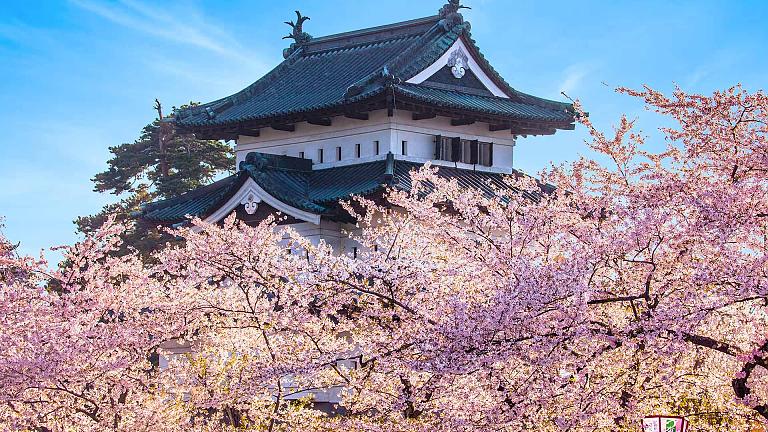
Which Type of Sakura Suits Your Travel Dates?
Japan is home to dozens of cherry blossom varieties, each with its own colors, shapes, and bloom times. You'll often find several types right within the same city, so there's no need to crisscross the whole country just to see different blossoms. Here are the four most common ones to look out for:
- Somei Yoshino: Peaks around late March to early April. The bloom window is short, with petals falling about a week after reaching full bloom.
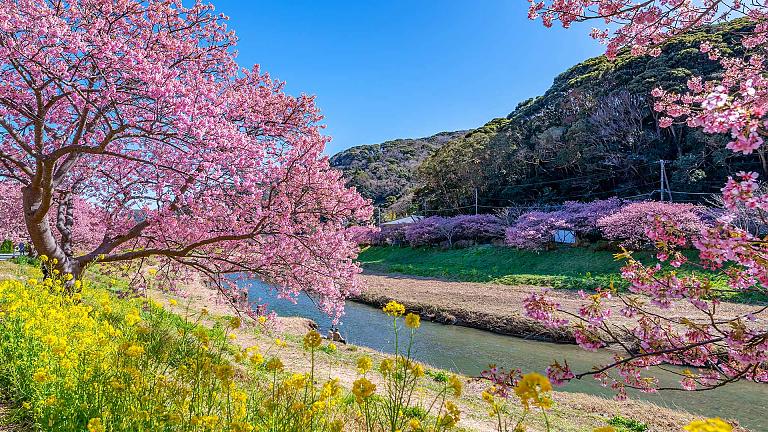
- Kawazu-zakura: Blooms from late February through early to mid-March. A top pick for catching early blossoms away from peak crowds.
- Kanzan: A popular multi-petaled variety (Yaezakura) that blooms from mid-to-late April into early May. Perfect if you're traveling later in the season.
- Shidare-zakura (Weeping Cherry): Blooms from mid-March to early April. Its branches cascade downward naturally, creating a beautiful, waterfall-like canopy.
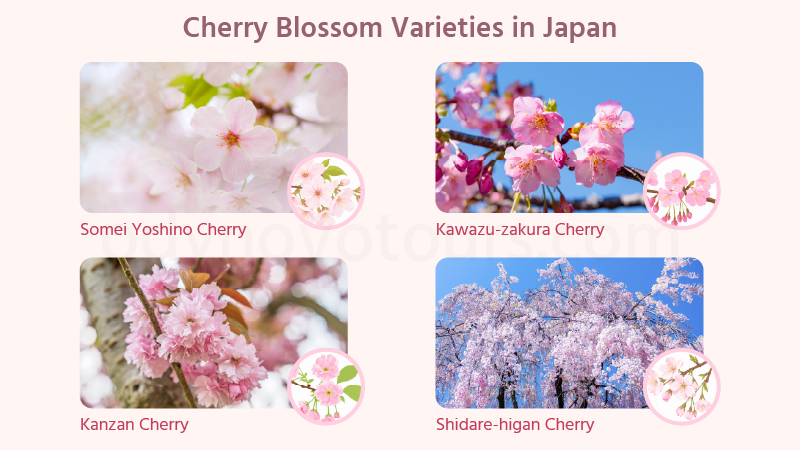 Cherry Blossom Varieties in Japan
How Much to Budget for Your Trip
Cherry blossom season is one of the most expensive times to travel in Japan, particularly from late March to early April. For a comfortable travel experience, we recommend budgeting at least USD 500 per person per day (excluding international flights).
Accommodations often account for nearly half of the total budget. Demand surges across major cities like Tokyo, Kyoto, and Osaka, especially for hotels near popular sakura viewing spots, where rates can rise 1.5 to 2 times higher than usual. Standard 4-star hotels typically range from USD 300 to 500 per night, while 5-star properties can easily reach USD 600 to 1,000 or more.
Beyond accommodations, your budget mainly covers in-destination experiences, including tour guides, transportation, and daily expenses. If you prefer to elevate your journey with added comfort and exclusivity, such as dedicated private transfers, fine dining, or special local activities, overall costs will naturally be higher.
Due to high demand during peak season, availability for top-rated hotels and travel services fills up quickly. We strongly recommend planning as early as possible to secure the best options and pricing. Defining your budget priorities early also helps a lot. At Odynovo, we can tailor an itinerary around your exact interests and budget, ensuring your spending goes toward what matters most to you.
Where to See Cherry Blossoms Across Japan
Japan has no shortage of cherry blossom spots, each offering a different setting. If you're visiting for the first time and want to combine classic sight-seeing with flower viewing, stick to Tokyo, Kyoto, and Osaka. Other regions can be added based on your travel dates and interests. (Spots marked with ⭐ offer evening illuminations.)
| City | What to Expect | Top Spots |
|---|---|---|
| Tokyo | Blossoms set against the city: along rivers, in open parks, and through neighborhood streets. |
Ueno Park ⭐ Chidorigafuchi ⭐ Shinjuku Gyoen Sumida Park ⭐ |
| Kyoto | Flowers set around ancient temples and traditional gardens. |
Philosopher's Path Kiyomizu-dera ⭐ Nijo Castle ⭐ Maruyama Park ⭐ Arashiyama |
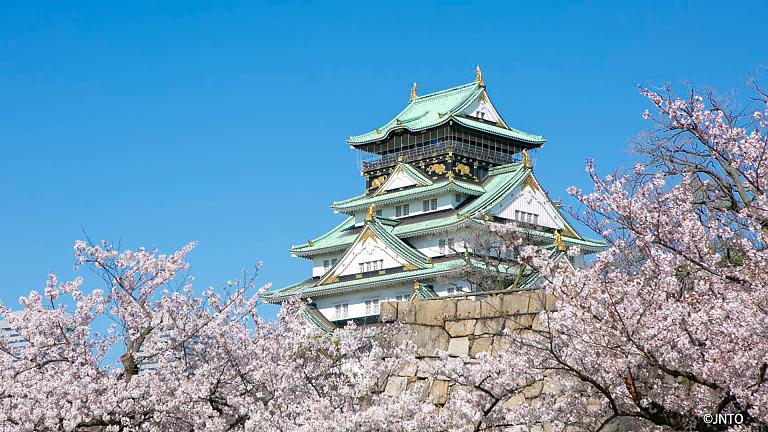
| Osaka | Cherry trees surrounding Osaka Castle, right alongside local food markets. |
Osaka Castle Park ⭐ Osaka Mint Bureau (Sakura Passageway) |
| Mount Fuji | The classic view of cherry trees framing a five-story pagoda with Mount Fuji in the background. |
Arakurayama Sengen Park Lake Kawaguchiko Shores |
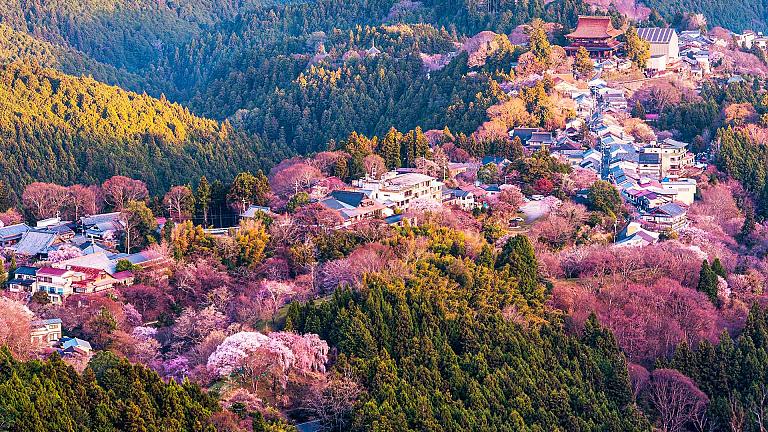
| Mount Yoshino | Dense rows of cherry trees covering an entire mountain slope. | Mount Yoshino Trails & Viewpoints |
| Kawazu | Early-blooming, deep-pink trees along the riverbank in late February. | Kawazu River Banks |
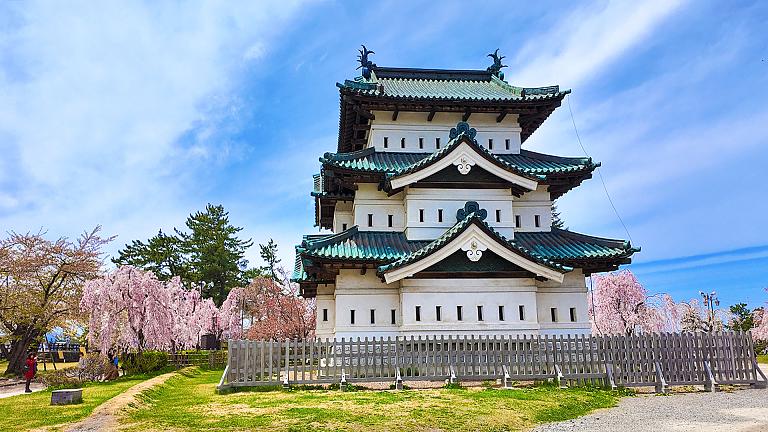
| Sendai & Aomori | Quiet northern spots away from central Japan's main crowds. |
Nishi Park & Tsutsujigaoka Park (Sendai) Hirosaki Park ⭐ (Aomori) |
| Sapporo & Hakodate | Late-season blooms for travelers visiting later in the spring. |
Maruyama Park (Sapporo) Goryokaku Park ⭐ (Hakodate) |
Sample Routes
Here are a few practical ways to link these regions together. With Odynovo, every trip can be adjusted to match your exact dates, travel pace, and budget.
| Route Type | Itinerary |
|---|---|
| Classic First-Time Trip (14 Days) | Tokyo → Lake Kawaguchiko → Hakone → Takayama → Shirakawa-go → Kanazawa → Kyoto → Osaka |
| Early Bloomers (10 Days) | Osaka → Nara → Kyoto → Atami → Kawazu → Lake Kawaguchiko → Tokyo |
| Late Bloomers (15 Days) | Sendai → Morioka → Aomori → Hakodate → Lake Toya → Noboribetsu → Sapporo → Otaru |
For more ideas on Japan's Cherry Blossom Itineraries, you may check:
Accommodation Tips for Cherry Blossom Season
How Far in Advance Should You Book
Cherry blossom season, especially late March to early April in Kanto and Kansai, is one of the busiest travel periods in Japan. Well-located hotels in popular cities like Tokyo and Kyoto often sell out three months in advance, with prices rising sharply as dates get closer. Aim to book at least six months ahead to secure good availability and reasonable rates.
How to Choose the Right Area
Based on our experience, prioritizing two key factors will make your stay significantly smoother and more convenient:
- Hotels within walking distance of blossom spots: Walking over early in the morning lets you enjoy the trees before the main crowds arrive, saving you extra travel time.
- Hotels near major transit hubs (JR or subway stations): Bloom times vary across different spots in the same city. If your primary walking-distance site isn't fully in bloom yet, staying near a major station makes it easy to switch plans and pivot to another spot.
Additional Factors to Consider
- If you want nightlife and shopping: Stay in central commercial districts like Shinjuku, Shibuya, or Ginza in Tokyo, or the Kawaramachi and Gion areas in Kyoto.
- If you want park or river views from your window: Look for properties along riverbanks or adjacent to major parks. Spots along Tokyo's Sumida River or Kyoto's Kamogawa River offer excellent room views.
- If you want to keep costs down: Skip prime downtown spots and look slightly further out, provided the hotel is close to a subway or JR line. You'll get much better value while maintaining easy access to key sights.
Seasonal Events During Cherry Blossom Season
Cherry blossom season isn't just about looking at flowers. Cities across Japan host special spring events that add more to the experience. Here are three of the most popular activities:
Local Cherry Blossom Festivals (Sakura Matsuri)
Once trees reach full bloom, many parks and neighborhoods hold local festivals. Expect food stalls, street markets, and performances like taiko drumming or traditional folk dances, with some locations offering night illuminations or fireworks. Well-known options include festivals at Kyoto's Heian Shrine and Tokyo's Ueno Park, as well as the Takayama Spring Festival. Dates change each year depending on the flowers, so check local schedules before you go.
Sakura Food & Limited Items
Convenience stores, bakeries, cafes, and restaurants sell seasonal items like sakura lattes, pastries, traditional sweets, chips, and sakura sake. Shops and pharmacies also stock cosmetics, perfumes, and small gifts in spring packaging. Walking through convenience stores or department store food halls (depachika) is an easy way to pick up these seasonal products.
Cherry Blossom Boat Rides
In cities with rivers or canals, seasonal boat tours operate throughout the season. Watching the blossoms from the water offers a fresh angle away from packed walking paths. Popular options include yakatabune boats on Tokyo's Chidorigafuchi Moat, river cruises along the Hozugawa or Kamogawa in Kyoto, and the Okawa River cruises in Osaka.
Frequently Asked Questions
How Do I Avoid Crowds During Cherry Blossom Season?
Popular spots are much quieter before 9:00 AM or later in the evening. Early morning visits let you walk popular paths before the main crowds arrive. Evening illuminations are another practical option, as visitor numbers drop off after dark and lit-up trees offer a completely different look.
What Should I Keep in Mind When Traveling With Seniors or Children?
Keep the pace slow and choose flat, easily accessible spots with plenty of seating. Tokyo's Shinjuku Gyoen and Ueno Park, Kyoto's Maruyama Park, and Osaka Castle Park are all easy to walk around. Avoid spots that require steep climbs, such as Mount Yoshino or Kyoto's Kiyomizu-dera.
What if It Rains During the Trip?
Spring rain in Japan is common and usually stays light. It rarely ruins blossom viewing—wet petals show deeper colors, and fallen petals on wet ground make great photos. On rainier days, stick to covered areas: watch garden trees from temple verandas or covered walkways, or pick a table at a riverside cafe.
What Local Rules Should I Follow While Viewing Blossoms?
- Bring a small garbage bag with you, as public trash cans are rare in parks and along riverbanks.
- Check local signs before setting down a blanket. Many shrines and temples do not allow picnic mats on their grounds.
- Never pull on branches, pick flowers, or shake tree trunks for photos.
Where Else Can I See Cherry Blossoms Outside Japan?
-
South Korea: South Korea's bloom window is shorter, usually lasting two to three weeks from late March to early April. The main variety here is the King Cherry, known for neat, white blossoms. Compared to Japan, crowds are smaller and travel costs are lower.
Related Articles
Where to See the Best Cherry Blossoms: Japan or South Korea - Wuhan, China: Wuhan's season runs from mid-March to early April. Wuhan University features over 2,000 cherry trees surrounding historic buildings, while the East Lake Cherry Blossom Garden holds over 10,000 trees across 100 varieties, well known for its night light-ups. Overall travel costs in China are generally lower than in Japan or South Korea.
Plan Your Cherry Blossom Trip with Odynovo
Because bloom dates change every year, timing your trip for peak flowers takes careful planning. Instead of spending hours tracking regional forecasts, simply send an inquiry and let our travel experts handle the details. We build custom routes based on real-time bloom updates, your travel dates, and your preferences. Once you arrive, our team tracks local flower conditions daily to tweak your daily stops so you see the best blooms available.
This article is also available in Spanish: [Cómo ver los cerezos en flor en Japón 2027].
Recommended Tours
-
 Japan Golden Route With Cherry Blossom 202710 DaysTokyo, Mt. Fuji, Kyoto, Nara, OsakaExplore This Tour
 -
Japan Golden Route With Mt. Yoshino Sakura 2027
(Late March – Mid-April)12 DaysTokyo, Mt. Fuji, Kyoto, Nara, OsakaExplore This Tour -
Japan Early Cherry Blossom Tour 2027
(Mid-Feb – Early Mar)10 DaysOsaka, Nara, Kyoto, Mishima, Atami, Kawazu, Kawaguchiko, TokyoExplore This Tour -
Tohoku & Hokkaido Cherry Blossom Journey 2027
(Late April – Early May)15 DaysSendai, Morioka, Aomori, Hakodate, Lake Toya, Noboribetsu, Sapporo, OtaruExplore This Tour
Related Posts You May Like